
Kira Mei is a certified personal trainer and nutrition coach specialising in fitness and nutrition for UK adults over 40. She makes healthy eating genuinely affordable — real food, real budgets, no compromise on results.
Batch cooking on a Sunday can save UK students hours during the week while ensuring balanced nutrition and budget-friendly meals. Planning meals ahead and preparing them in one session helps avoid last-minute unhealthy choices and expensive takeaways. Using portion guidance, storing food safely, and combining ingredients smartly can make meal prep simple and efficient. This guide breaks down a practical, replicable system for student meal prep in the UK, focusing on minimal time in the kitchen and maximum meal variety. For more on fitness guides, see our guide.
Why Batch Cooking Is the Most Efficient Thing You Can Do
Batch cooking is preparing multiple meals in one session to last several days, cutting daily cooking time drastically. It saves UK students up to 10 hours weekly by concentrating meal prep on Sunday, allowing more time for study or rest. The NHS Eatwell Guide portion guidance recommends balancing meals with vegetables, starchy carbohydrates, protein, and a small amount of healthy fats, which batch cooking can consistently achieve. This approach reduces impulse food choices and limits food waste by controlling portions and ingredients. Batch cooking also enables cost savings through bulk buying and less food packaging, which is important when managing a student budget. Reheating pre-cooked meals encourages regular meal patterns, supporting better energy levels and focus for study sessions. Overall, batch cooking provides a practical system for managing nutrition and time efficiently.
The One-Session Batch Cook System: Exactly How to Do It
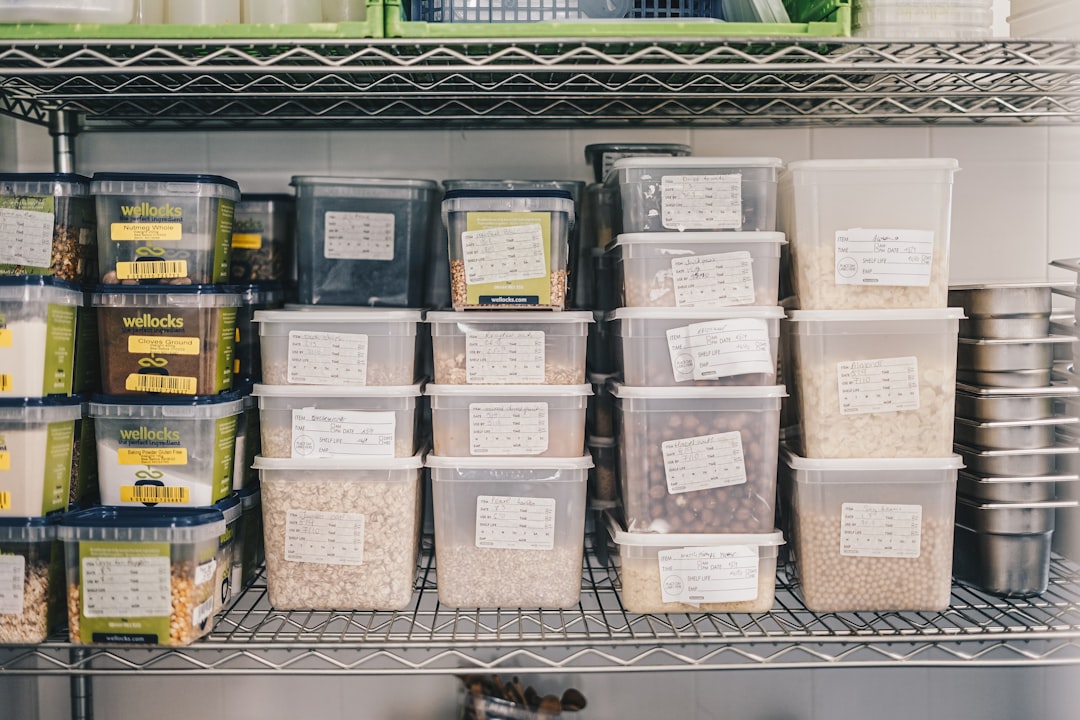
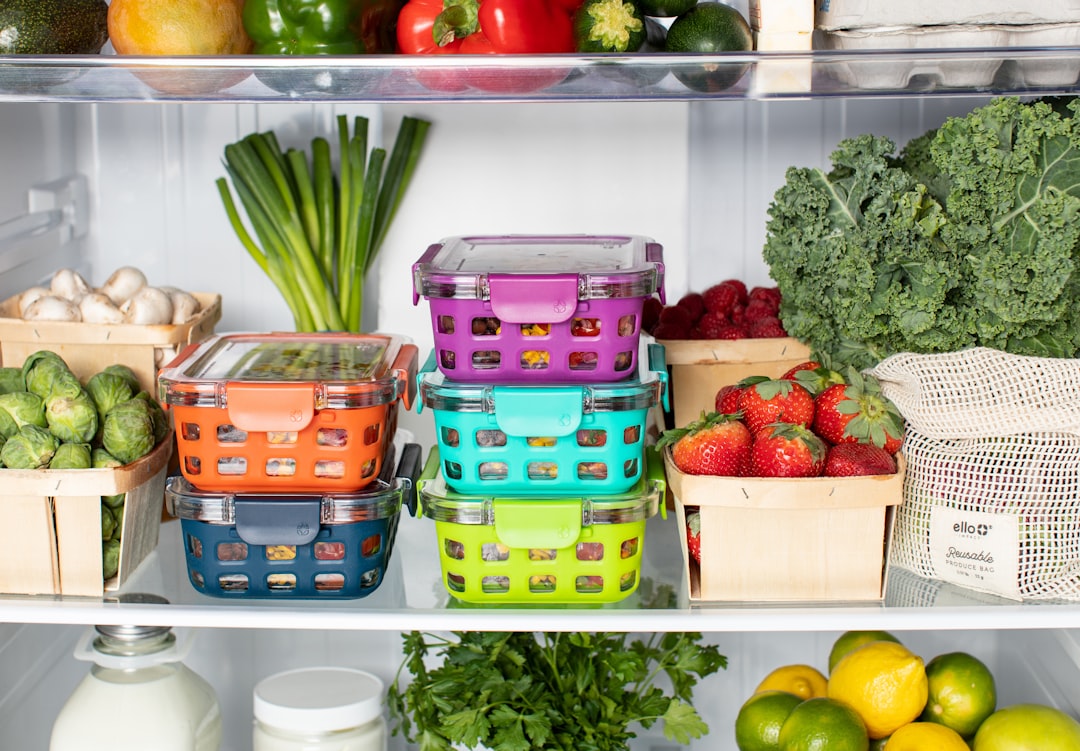
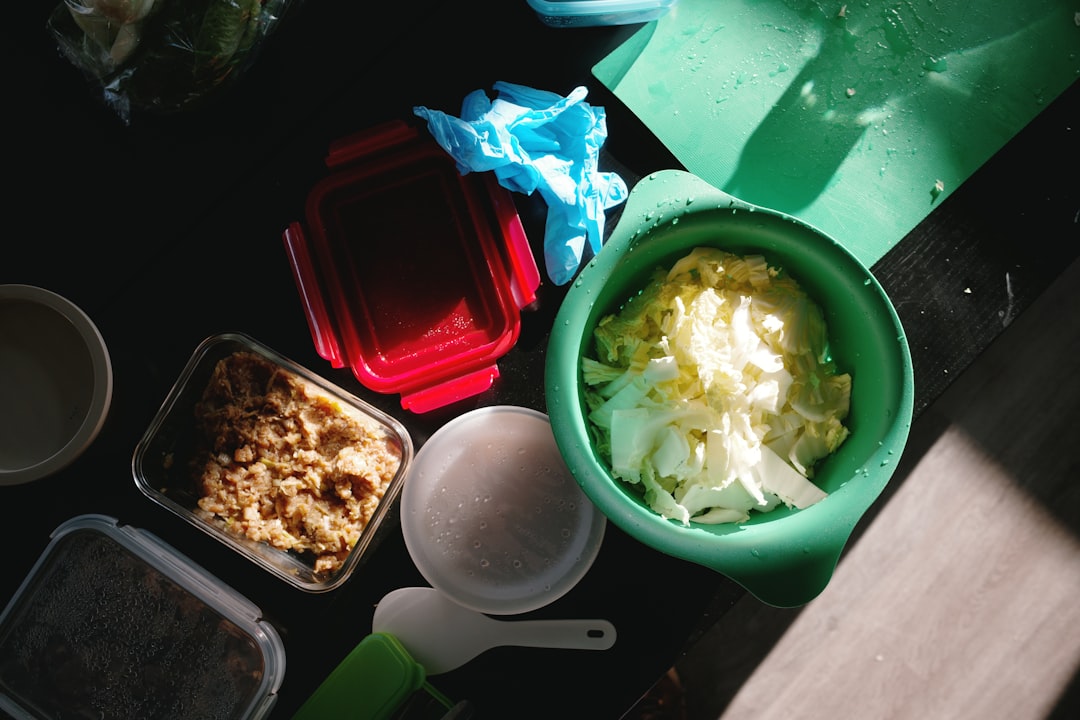
A single Sunday batch cook session can prepare five days of meals with just two hours in the kitchen. Begin by planning meals around versatile ingredients like chicken breasts, canned beans, frozen vegetables, and brown rice—all easily sourced from UK supermarkets such as Tesco or Asda. First, set your oven to 200°C and roast mixed vegetables (carrots, peppers, courgettes) for 30 minutes while cooking proteins on the hob or baking chicken. Use one large saucepan for rice or quinoa, which takes about 20 minutes. Multitask by chopping ingredients during cooking simmer times to save 20 minutes. Invest in five 800ml airtight containers to portion meals according to the NHS Eatwell Guide portion guidance—roughly one third vegetables, one third protein, and one third carbohydrates. Cool meals before sealing and refrigerate immediately. Label containers with the cooking date to ensure freshness. This system avoids midweek cooking and ensures healthy meals ready to reheat in microwave or oven in under five minutes.
Stop paying personal trainers or apps to tell you what you already know. For just £49.99, the Kira Mei Nutrition Blueprint teaches you how to build your own nutrition plans tailored to your needs. No fluff, no gimmicks—just a straightforward programme that helps you realise how to take control of your diet without relying on overpriced PTs or automated apps.
The Five Meals You Can Build From One Cook
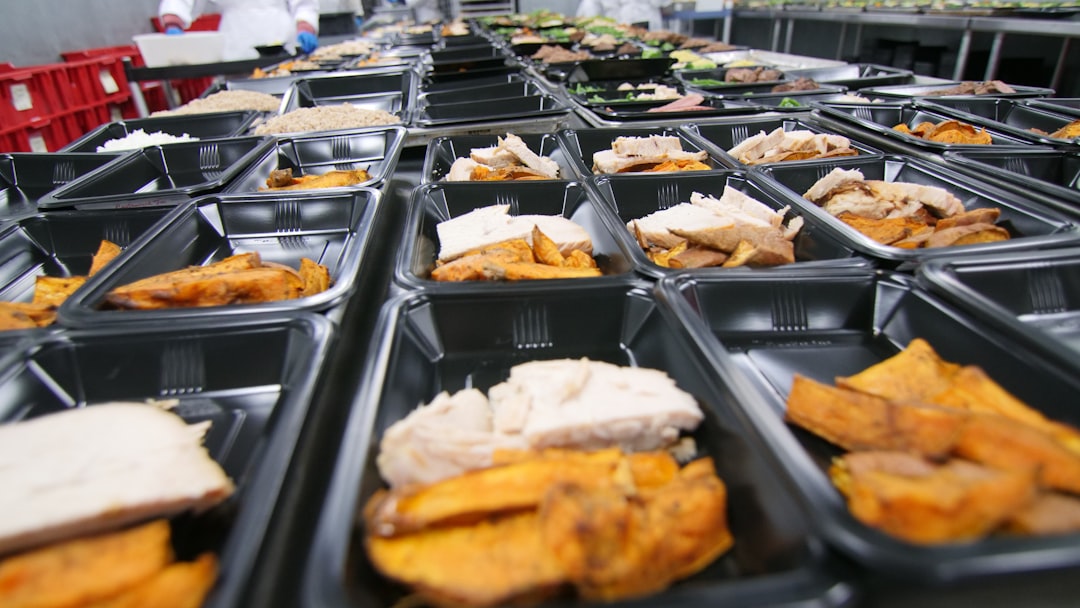
The three common mistakes that limit meal variety after batch cooking are: over-reliance on one protein, ignoring flavour variations, and poor storage leading to spoilage. Overusing chicken breasts can cause taste fatigue; include beans or lentils for variety and fibre. Failing to add different herbs, spices, or sauces results in monotonous meals that are tempting to skip. Poor storage without airtight containers or improper cooling risks food safety and waste. To avoid these, build meals from the base batch with mix-and-match additions: roast chicken with mixed veg and rice; lentil curry with spinach and naan; bean chili with sweet potato mash; vegetable stir-fry with noodles; and chicken salad with quinoa. Each meal uses the same batch cook components but varies flavour profiles and textures to keep weekly lunches and dinners satisfying and balanced.
Common Batch Cooking Mistakes and How to Avoid Them
A less obvious barrier to successful batch cooking is underestimating food safety and storage requirements. The NHS food safety and storage guidance recommends cooling cooked food within 90 minutes and storing in the fridge at or below 5°C. Storing hot food directly can raise fridge temperature and spoil other items. Another mistake is using too-large containers, which slows cooling and increases risk of bacterial growth. Using multiple smaller containers no bigger than 800ml helps food cool quickly and evenly. Overcooking ingredients also reduces nutrient retention, so timing each element precisely is key. Lastly, neglecting to include enough vegetables or protein disrupts a balanced diet. The British Nutrition Foundation balanced diet advises filling half your plate with fruit and veg and including lean protein daily. Planning with these guidelines minimises waste and supports health.
Stop paying someone else to plan your meals. The Kira Mei Nutrition Blueprint is a no-nonsense, anti-PT programme that costs just £49.99 and shows you how to create your own sustainable nutrition plans. Visit kiramei.co.uk/nutrition to get started.
Your Sunday Batch Cook Checklist
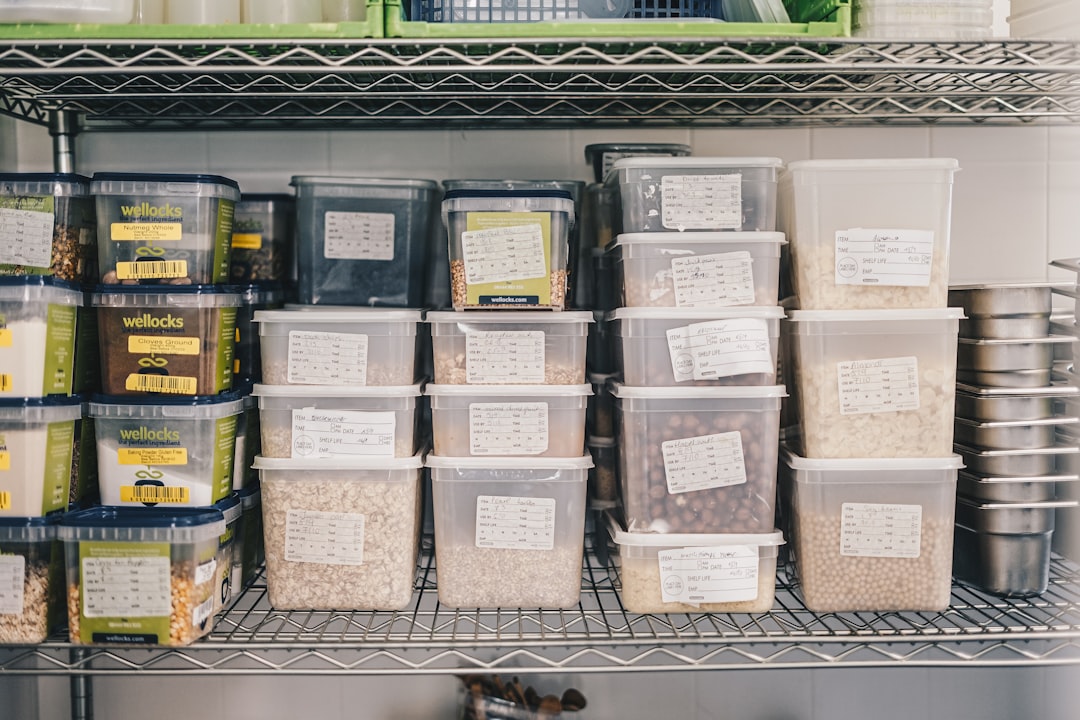
Start your Sunday batch cook by making a detailed shopping list focused on affordable, nutrient-dense staples. Shop early to avoid crowds and pick fresh produce. Set aside two hours between 10am and 12pm to cook. Preheat oven, prepare chopping board and knives, and line trays. Cook starchy carbs first, then proteins and vegetables concurrently. Use timers to manage each step precisely. Portion meals into five or six 800ml airtight containers following NHS Eatwell Guide portion guidance. Label each container with the date and meal type. Cool meals on a wire rack before refrigerating. Clean kitchen surfaces thoroughly to avoid cross-contamination per NHS food safety advice. Store meals in the fridge for up to four days or freeze extras. Reheat meals thoroughly before eating.
Frequently Asked Questions
What is the best way for students in the UK to batch cook on Sundays?
The best way for UK students to batch cook on Sundays is to dedicate about two hours to prepare five days' worth of meals using versatile ingredients like chicken, beans, vegetables, and rice. Portion meals into 800ml airtight containers following NHS Eatwell Guide portion guidance, cool meals within 90 minutes, and store them in the fridge at or below 5°C to maintain freshness and safety.
How long can batch-cooked meals be safely stored in a UK student fridge?
Batch-cooked meals can be safely stored in a UK student fridge for up to four days if cooled within 90 minutes after cooking and kept at or below 5°C, according to NHS food safety and storage guidance. Using multiple small airtight containers helps food cool quickly and reduces the risk of spoilage.
What are common mistakes students make when batch cooking on Sundays in the UK?
Common mistakes include over-relying on one protein source, not varying flavours which leads to meal fatigue, and improper food storage such as using large containers that delay cooling. These issues can cause food waste, nutritional imbalance, and increased risk of spoilage. Following British Nutrition Foundation balanced diet advice and NHS storage guidelines helps avoid these problems.
How can UK students combine batch-cooked ingredients into different meals?
UK students can build variety by mixing batch-cooked staples: pair roast chicken with rice and vegetables one day; lentil curry with spinach and naan another; bean chili with sweet potato mash; vegetable stir-fry with noodles; or chicken salad with quinoa. This mix-and-match approach prevents taste fatigue and supports a balanced diet.
How does batch cooking help UK students save time and money?
Batch cooking helps UK students save up to 10 hours a week by reducing daily cooking to simple reheating. It enables bulk buying of ingredients at lower prices, reduces food waste through portion control, and prevents costly last-minute takeaways. This efficient system supports budget management and consistent healthy eating.
Stop paying someone else to plan your meals. The Kira Mei Nutrition Blueprint is a no-nonsense, anti-PT programme for just £49.99 that teaches you how to build your own nutrition plans. Get started now.
Disclaimer: This article is for informational purposes only and does not constitute medical, nutritional, or professional fitness advice. Always consult a qualified healthcare professional before making changes to your diet or exercise routine.