
Kira Mei is a certified personal trainer and nutrition coach specialising in fitness and nutrition for UK adults over 40. She makes healthy eating genuinely affordable — real food, real budgets, no compromise on results.
Freezing meals is a top strategy for efficient weekly food prep in the UK. Knowing which foods freeze well can save you hours in the kitchen and reduce food waste. This guide outlines practical tips and food choices ideal for freezing, helping you build balanced, nutritious meals that maintain flavour and texture after freezing. From proteins to vegetables, learn how to store your meals safely and enjoy hassle-free nutrition all week. For more on fitness guides, see our guide.
Why Batch Cooking Is the Most Efficient Thing You Can Do
Batch cooking is preparing multiple meals in one session, typically for 3–7 days. The NHS Eatwell Guide portion guidance recommends balancing meals with starchy foods, proteins, fruits, and vegetables, which batch cooking supports efficiently. This approach reduces daily cooking time, lowers food waste, and improves dietary consistency. Cooking large quantities of staple ingredients like chicken breasts or lentils, then combining them differently each day, maximises variety with minimal effort. Batch cooking also enables portion control, which helps maintain nutritional targets and supports weight management.
The One-Session Batch Cook System: Exactly How to Do It
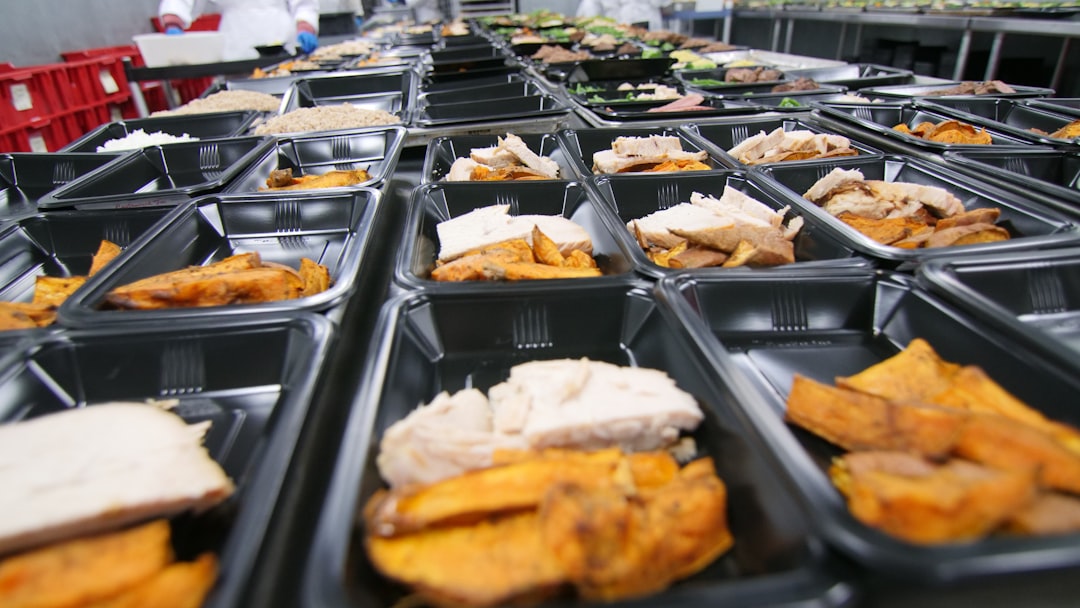
A single batch cooking session can produce all your meals for the week in 2–3 hours. Start by planning your menu based on freezer-friendly ingredients. Begin with proteins—roast chicken thighs or bake salmon fillets from stores like Tesco or Sainsbury’s. While these cook, prepare starchy sides like basmati rice or sweet potatoes, which freeze well after cooking. Next, steam or roast vegetables such as carrots, broccoli, and green beans. Use airtight containers or freezer bags labelled with dates. Cool all food before freezing to comply with NHS food safety and storage guidance. Reheat meals thoroughly, ideally within three months, to ensure safety and quality.
Stop paying someone else to tell you what to eat and how to train. For just £49.99, the Kira Mei full-stack educational blueprint teaches you how to build your own meal and workout programmes that actually work—no fluff, no PT nonsense. Take control, save money, and finally realise what your body really needs.
The Five Meals You Can Build From One Cook
The three most common batch cooking mistakes are: cooking too much of one ingredient, neglecting variety, and poor storage leading to freezer burn. These mistakes cause meal fatigue, nutrient imbalances, and food waste. To avoid this, build five meals from one cook: a chicken and vegetable stir-fry, a lentil and sweet potato curry, a salmon and quinoa salad (ingredients frozen separately), a beef chilli with rice, and a vegetable soup. These options use overlapping ingredients prepared in one session but combined differently, ensuring nutritional balance per the British Nutrition Foundation balanced diet recommendations.
Common Batch Cooking Mistakes and How to Avoid Them
Contrary to popular belief, freezing does not ruin all textures or flavours if done correctly. One often overlooked error is freezing meals hot, which causes ice crystals and sogginess. The NHS food safety and storage guidance advises cooling cooked food within 90 minutes before freezing. Another mistake is failing to label containers with dates, increasing the risk of eating food past safe periods—usually three months. Also, avoid freezing dairy-heavy sauces, which separate upon thawing. Proper portioning and using freezer-safe containers can prevent these issues and maintain meal quality.
Stop paying someone to tell you what to do. Learn how to create your own plans with the Kira Mei full-stack blueprint for £79.99. It’s time to take ownership of your nutrition and training without relying on pricey personal trainers or apps.
Your Sunday Batch Cook Checklist
Begin with a clear plan: write down five meals using freezer-friendly ingredients. Shop on Saturday from UK supermarkets offering fresh seasonal produce. On Sunday, allocate 2–3 hours for cooking. Cook proteins first, followed by grains and vegetables. Let everything cool on the counter no longer than 90 minutes. Portion meals into labelled airtight containers or freezer bags, noting the date. Freeze immediately to lock in freshness. Store meals flat for quicker freezing and space efficiency. Reheat thoroughly before eating.
Frequently Asked Questions
Can you freeze meal prep meals in the UK?
Yes, you can freeze meal prep meals safely in the UK by following NHS food safety guidelines. Meals should be cooled within 90 minutes of cooking, stored in airtight containers or freezer bags, and consumed within three months for best quality.
Which foods freeze well for meal prep in the UK?
Foods that freeze well include cooked meats like chicken and beef, stews, soups, rice, pasta, and most cooked vegetables such as carrots and broccoli. Avoid freezing raw potatoes and fresh salad leaves as they lose texture.
How long can you keep frozen meal prep food in the UK?
Frozen meal prep food should ideally be consumed within three months to maintain nutritional quality and safety, according to NHS food storage recommendations.
What containers are best for freezing meal prep in the UK?
Use airtight, freezer-safe containers or heavy-duty freezer bags to prevent freezer burn. Label containers with the date to track storage time, which should not exceed three months.
Can freezing meal prep save time and reduce waste in the UK?
Freezing meal prep meals saves an average of two hours per week on cooking and reduces food waste by preserving excess portions, supporting efficient meal planning and budgeting.
Ready to stop paying for plans that don’t get results? Get the Kira Mei full-stack blueprint for £79.99 and learn how to build your own effective programmes. No gimmicks, just real knowledge.
Disclaimer: This article is for informational purposes only and does not constitute medical, nutritional, or professional fitness advice. Always consult a qualified healthcare professional before making changes to your diet or exercise routine.
Leave a Reply