
Kira Mei is a certified personal trainer and nutrition coach specialising in fitness and nutrition for UK adults over 40. She makes healthy eating genuinely affordable — real food, real budgets, no compromise on results.
Meal prepping saves time and money, but knowing exactly how long prepared meals last in the fridge is crucial to avoid waste and stay safe. In the UK, cooked meals typically keep for three to four days when stored properly in airtight containers. This guide breaks down meal prep duration, storage tips, and systems to optimise your weekly cooking, ensuring you eat fresh, balanced meals without daily kitchen time.
Why Batch Cooking Is the Most Efficient Thing You Can Do
Batch cooking is the process of preparing several meals in one cooking session, often enough for three to five days. It is efficient because it reduces daily meal preparation time by consolidating cooking tasks into a single session. According to the NHS Eatwell Guide, balanced meals include a mix of starchy carbohydrates, protein, fruits, vegetables, and small amounts of fat. Batch cooking allows precise portioning of these components in line with nutritional standards, making it easier to meet daily dietary requirements.
By cooking once and storing meals correctly, you can maintain a varied diet without daily kitchen time. This method also helps reduce food waste by planning portions to match your appetite. Batch cooking can cut down grocery trips to once a week, saving time and money. Using airtight containers that are microwave-safe and stackable improves storage efficiency and meal reheating convenience. For more on fitness guides, see our guide.
The One-Session Batch Cook System: Exactly How to Do It
The one-session batch cook system involves preparing all your meals for the week in a single cooking session, typically lasting two to three hours. Start by planning your meals using ingredients available at UK supermarkets such as Tesco or Sainsbury's, focusing on versatile proteins like chicken breast or lentils and seasonal vegetables.
Begin with washing and chopping all vegetables, then move to cooking proteins and starches like brown rice or potatoes simultaneously. Use two or three large saucepans or oven trays to cook different components at once. This approach minimises total cooking time to under three hours.
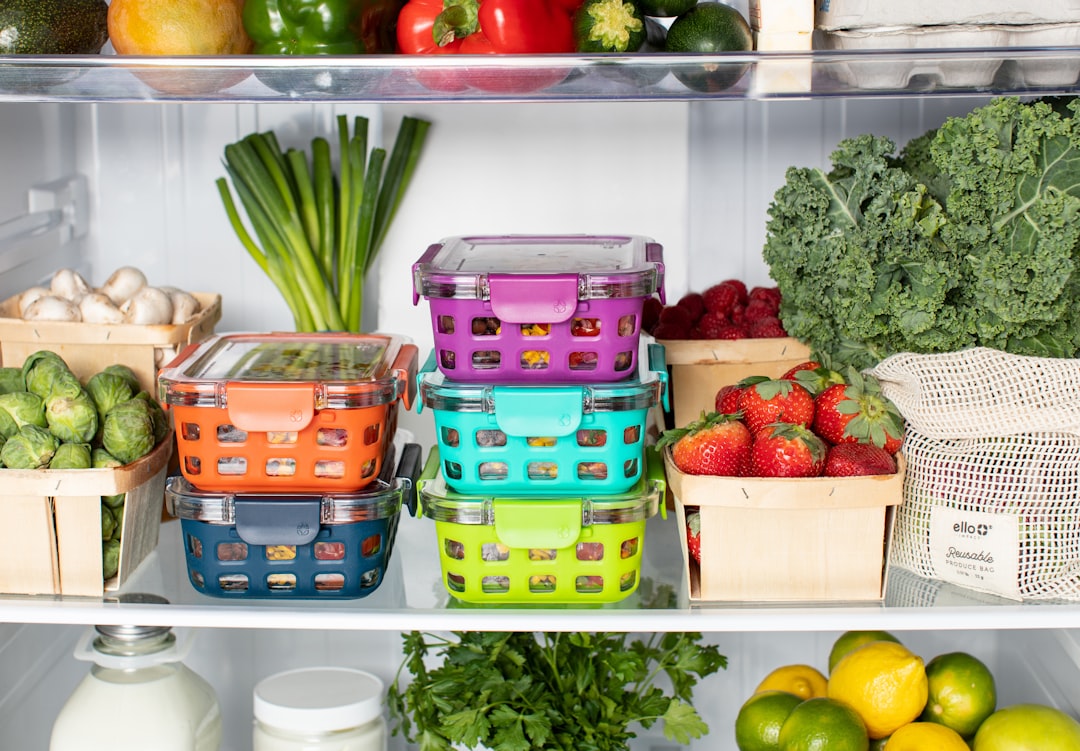
Once cooked, divide meals into portion-sized airtight containers designed for fridge storage. Label containers with the cooking date to track freshness. Store meals in the fridge at or below 5°C immediately after cooling to maintain safety, following NHS food safety and storage guidance.
Reheat meals thoroughly before eating, ensuring they reach steaming hot throughout. This system streamlines meal prep, maximising efficiency and reducing decision fatigue during the week.
If you’re tired of paying personal trainers or apps to tell you what to eat, it’s time to take control. The Kira Mei Nutrition Blueprint teaches you how to build your own nutrition programmes with clear, no-nonsense guidance — all for just £49.99. Stop handing over your hard-earned cash to trainers who don’t want you to realise you can do this yourself.
The Five Meals You Can Build From One Cook
The three common mistakes that shorten meal prep freshness are: 1) Overpacking containers causing uneven cooling, which increases spoilage risk; 2) Mixing wet and dry ingredients prematurely leading to sogginess and texture loss; 3) Ignoring portion sizes resulting in wasted food or overeating. These errors can lead to meals lasting less than the recommended three to four days, causing unnecessary waste and additional cooking time.
From one batch cook, you can build five different meals by varying sauces, spices, and sides. For example, cooked chicken can combine with steamed vegetables and rice one day, then with a salad and couscous the next. Using the British Nutrition Foundation balanced diet principles, you can rotate meals to keep variety and nutrition without extra cooking.
Use separate containers for dressings and sauces to maintain freshness. Incorporate leafy greens or fresh herbs at serving time to boost flavour and nutrient intake. Planning meals this way ensures you get diverse, balanced nutrition while extending the usability of your batch-cooked ingredients.
Common Batch Cooking Mistakes and How to Avoid Them
Contrary to popular belief, batch cooking mistakes often stem from storage rather than the cooking process itself. According to NHS food safety and storage guidance, meals stored in the fridge should be eaten within three to four days to avoid bacteria growth. A common error is leaving meals at room temperature too long before refrigeration, which accelerates spoilage.
Another mistake is using inappropriate containers that do not seal well, leading to moisture loss or contamination. Opt for BPA-free, airtight plastic or glass containers that fit your fridge shelves efficiently.
Reheating meals unevenly is also a frequent issue; ensure food reaches at least 75°C throughout to kill harmful bacteria. Avoid reheating meals more than once as this increases food safety risks. Applying these guidelines can extend meal freshness and reduce health hazards.
Stop paying someone else to plan your nutrition. The Kira Mei Nutrition Blueprint is your £49.99 shortcut to mastering meal planning without the fluff or gimmicks.
Your Sunday Batch Cook Checklist
Follow this checklist to maximise the efficiency and safety of your Sunday batch cook:
- Plan your meals using the NHS Eatwell Guide to balance portions.
- Shop for ingredients fresh and store perishables immediately.
- Allocate two to three hours for cooking multiple dishes simultaneously.
- Use airtight, portion-sized containers and label with the cooking date.
- Cool meals quickly and refrigerate at or below 5°C within two hours.
- Reheat meals thoroughly to at least 75°C before eating.
Adhering to this system ensures your meal prep lasts three to four days in the fridge safely. Learn more about the Kira Mei Nutrition Blueprint and how it can help you build your own plans for just £49.99.
Frequently Asked Questions
How long does meal prep last in the fridge UK?
Meal prep lasts three to four days in the fridge in the UK when stored correctly in airtight containers and kept at or below 5°C, according to NHS food safety guidance.
What is the best way to store meal prep in the fridge?
The best way to store meal prep is in airtight containers, placed in the fridge at or below 5°C immediately after cooling, to keep food fresh and safe for up to four days, as recommended by NHS food storage guidelines.
Can I freeze batch-cooked meals to extend shelf life?
Yes, freezing batch-cooked meals extends shelf life to three months or more. Ensure meals are cooled completely, stored in freezer-safe airtight containers, and reheated thoroughly after thawing.
How do I know if meal prep has gone bad in the fridge?
You can tell meal prep has gone bad if it smells sour, has a slimy texture, or visible mould. Foods stored beyond the recommended three to four days in the fridge are more likely to spoil, according to NHS food safety advice.
Is it safe to reheat meal prep more than once?
It is not recommended to reheat meal prep more than once as repeated heating increases the risk of bacterial growth and foodborne illness, according to NHS food safety guidance.
Disclaimer: This article is for informational purposes only and does not constitute medical, nutritional, or professional fitness advice. Always consult a qualified healthcare professional before making changes to your diet or exercise routine.
Leave a Reply