Blog

  • Cheap Meal Prep with Tinned Tomatoes UK: Budget-Friendly Tips for Beginners

    Cheap Meal Prep with Tinned Tomatoes UK: Budget-Friendly Tips for Beginners

    Cheap meal prep with tinned tomatoes in the UK offers an affordable way to eat well without overspending. Many fail because they overcomplicate planning or underestimate storage limits. This guide breaks down why meal prep often falls short midweek and offers straightforward, proven solutions to help you consistently prepare tasty, budget-friendly meals that last. Using tinned tomatoes can cut costs and add versatility to your kitchen repertoire.

    Why Most Meal Prep Attempts Fail by Wednesday

    Meal prep is the practice of preparing multiple meals in advance, typically for 3–5 days. Despite good intentions, over 60% of UK home cooks report throwing away food midweek, often due to spoilage or loss of appetite. One key reason is misunderstanding food storage times; for example, cooked meals generally last no more than 3 days in the fridge as outlined by the NHS food safety storage times. Without adherence to these guidelines, meals turn unsafe or unappetising by midweek.

    Additionally, recipes that rely heavily on fresh ingredients can spoil quicker than those based on tinned or frozen staples. Tinned tomatoes, with their sealed packaging and acidity, remain safe and nutritious for years, providing a reliable base for sauces and stews. Failure to plan portion sizes realistically also leads to excess food that doesn’t get eaten in time, resulting in waste and frustration. For more on meal prep UK, see our guide.

    The Real Reasons Your Prep Doesn't Survive the Week

    The main reasons meal prep fails by midweek are poor timing, unrealistic portioning, and neglecting food safety. First, cooking all meals on one day often leads to rushed preparation and meals that lose flavour or texture after two days. Splitting cooking over two sessions midweek can maintain freshness.

    Second, buying ingredients without a clear list or sticking to recipes that don’t match your appetite causes leftovers that go uneaten. Planning based on actual portion sizes, such as those recommended by NHS guidelines for balanced protein and carbohydrate intake, can prevent this.

    Third, many shoppers overlook affordable supermarkets like Lidl or Aldi, which stock tinned tomatoes and basics for less than mainstream chains. Using these stores to buy staples helps keep costs down without sacrificing quality.

    Finally, storing meals in appropriate airtight containers and labelling with dates supports safe consumption within recommended timeframes, following guidance from the NHS food safety storage times.

    The Fix: A More Realistic System for Imperfect Weeks

    The three mistakes that cause meal prep to fail are overplanning, ignoring perishability, and relying too heavily on fresh ingredients. Overplanning leads to cooking too many meals that you can’t eat before spoilage. Ignoring perishability causes food safety risks and waste. Relying on fresh-only ingredients without shelf-stable backups makes prepping inflexible.

    A better system includes planning for 3–4 days of fresh meals and supplementing with dishes based on tinned tomatoes and other pantry staples. This creates flexibility and reduces pressure to eat all meals exactly as scheduled.

    Incorporating batch-cooked sauces with tinned tomatoes means you can freeze portions or refrigerate them safely for 3 days, allowing you to add variety by pairing with different carbs or proteins. This approach aligns with sustainable eating advice from the British Nutrition Foundation sustainable healthy eating.

    How to Build Meal Prep Into Your Life, Not Around It

    Meal prep works best when it adapts to your lifestyle rather than forcing you to fit your life around it. Research on sustainable healthy diets shows that flexible meal planning reduces stress and increases long-term adherence. For example, the British Nutrition Foundation sustainable healthy eating emphasises adaptable approaches over rigid routines.

    Set realistic cooking days based on your schedule—perhaps Sunday and Wednesday—to refresh meals and introduce variation. Use tinned tomatoes as a base for quick sauces that can be prepared in 20 minutes, which fits into busy weeks.

    Use leftovers creatively by turning tomato-based stews into soups or pasta sauces, reducing waste and saving money. This system prevents the boredom and waste that cause many to abandon meal prep efforts prematurely.

    Stop paying someone to tell you what to eat and how to plan. For £49.99 or £79.99, the Kira Mei full-stack bundle teaches you to build your own meal prep programmes that fit your life and preferences. No more rigid plans or wasted food—just real, practical education that puts you in control. Get the full-stack bundle now and start making meal prep work for you.

    A Simpler Starting Point That Actually Sticks

    Start with a weekly plan focusing on three meals made with tinned tomatoes: a chilli, a tomato and lentil stew, and a pasta sauce. Cook the chilli and stew fresh on Sunday, and make the pasta sauce midweek. Portion meals into airtight containers and label with dates. Freeze any portions not eaten within three days.

    Shop weekly at budget supermarkets for tinned tomatoes, dried pulses, and frozen vegetables. Avoid buying fresh perishables in excess.

    Track your meals to refine portion sizes and cooking days over four weeks. This simple, repeatable plan reduces overwhelm and waste. Learn more about the Kira Mei full-stack bundle and how it can help you take control of your meal prep.

    Frequently Asked Questions

    How can I do cheap meal prep with tinned tomatoes in the UK?

    Cheap meal prep with tinned tomatoes in the UK is best achieved by planning meals around affordable supermarket staples like tinned tomatoes, lentils, and rice. Cooking in batches twice a week and storing meals in airtight containers helps prevent waste. The NHS recommends consuming cooked meals within 3 days when refrigerated to ensure safety.

    Are tinned tomatoes healthy for meal prepping on a budget?

    Yes, tinned tomatoes are a nutritious and budget-friendly ingredient. They provide vitamins C and A and are low in calories. The British Nutrition Foundation highlights their sustainability and long shelf life, making them ideal for healthy, cost-effective meal prep.

    How long do meals with tinned tomatoes last in the fridge?

    Meals cooked with tinned tomatoes generally last up to 3 days in the fridge if stored correctly in airtight containers, according to NHS food safety storage times. Freezing portions can extend their usability to several weeks.

    What are some cheap UK supermarkets to buy tinned tomatoes for meal prep?

    Budget supermarkets such as Lidl, Aldi, and Asda offer tinned tomatoes at lower prices compared to premium retailers. Buying from these stores can reduce grocery bills and support consistent meal prep without compromising quality.

    How can I reduce food waste when using tinned tomatoes in meal prep?

    To reduce waste, plan recipes that use the full contents of tinned tomatoes and freeze leftovers promptly. Money Saving Expert recommends using pantry staples like tinned tomatoes for versatile meals to minimise spoilage and save money.

    Disclaimer: This article is for informational purposes only and does not constitute medical, nutritional, or professional fitness advice. Always consult a qualified healthcare professional before making changes to your diet or exercise routine.
  • How to Make Rice in Bulk for Meal Prep UK Beginners

    How to Make Rice in Bulk for Meal Prep UK Beginners

    Cooking rice in bulk is a key strategy for efficient meal prep across the UK. Preparing around 1.5kg of uncooked rice at once can provide enough servings for the week, saving time and money. This article outlines a step-by-step system for batch cooking rice, storage safety, and meal ideas. Using standard UK kitchen tools and storage containers, you can streamline your weekly cooking routine while aligning with portion and nutrition guidance.

    Why Batch Cooking Is the Most Efficient Thing You Can Do

    Batch cooking is preparing multiple meals or meal components in one session to cover several days or the entire week. In the UK, batch cooking rice typically means cooking around 1.5kg of dry rice in one go, which yields about 10–12 portions depending on serving sizes. According to the NHS Eatwell Guide portion guidance, a typical adult portion of cooked rice is roughly 140g. Batch cooking helps with portion control and reduces the daily time spent cooking, making it easier to maintain a balanced diet throughout the week. It also minimises waste by allowing you to use exact quantities of ingredients and store leftovers safely. The efficiency of batch cooking suits busy lifestyles and tight budgets, especially when combined with versatile meal plans.

    The One-Session Batch Cook System: Exactly How to Do It

    Batch cooking rice in one session requires a system for efficiency and consistency. Start with 1.5kg of dry long-grain rice, which you can buy from major UK supermarkets like Tesco or Sainsbury’s. Rinse the rice thoroughly under cold water to remove excess starch. Use a large, heavy-bottomed pan with at least 6 litres capacity. For every 1 cup of rice (about 200g), add 1.5 cups of water (300ml) for fluffy rice. Bring to a boil, then reduce heat to low, cover with a tight-fitting lid, and simmer for 15 minutes. Remove from heat and let it rest covered for 5 minutes, then fluff with a fork.

    To cool the rice quickly and safely, spread it thinly on a large baking tray or shallow container. Once cooled, divide the rice into 5–6 airtight containers, each containing one or two portions (around 280g cooked rice per container). Store in the fridge and consume within four days following NHS food safety and storage guidance. Label containers with the date cooked to keep track. For more on fitness guides, see our guide.

    This system takes about 40 minutes total and can be combined with batch cooking vegetables and proteins for balanced meals. Using reusable containers with compartment sections can also help portion control and reduce washing up.

    Stop paying personal trainers to tell you what to eat. For just £49.99, get the Kira Mei Nutrition Blueprint — a no-nonsense educational programme that teaches you how to build your own nutrition plans tailored to your needs. Realise how simple it is to take control without gimmicks or guesswork. Get your blueprint here and start planning like a pro.

    The Five Meals You Can Build From One Cook

    The three most common mistakes that reduce batch cooking success are poor portioning, limited meal variety, and improper storage. For example, inconsistent portion sizes can lead to overeating or waste, while cooking only one flavour profile can cause boredom. Improper storage can lead to spoilage and food safety risks.

    From one batch of rice, you can create at least five distinct meals by varying proteins, vegetables, and sauces. For instance: a chicken stir-fry with mixed peppers and soy sauce; a vegetarian curry with chickpeas and spinach; a beef and broccoli bowl with oyster sauce; a salmon and asparagus rice salad; and a simple egg fried rice with peas and spring onions. Each meal can be portioned according to the British Nutrition Foundation balanced diet recommendations, which emphasise a mix of carbohydrates, proteins, and vegetables.

    Rotating meals in this way reduces monotony and supports nutrient variety, helping you maintain consistent healthy eating habits.

    Common Batch Cooking Mistakes and How to Avoid Them

    An often-overlooked insight is that batch cooking errors rarely arise from the cooking process itself but from planning and storage mistakes. For example, failing to cool rice quickly enough can increase bacteria growth risk. The NHS food safety and storage guidance recommends cooling cooked rice within one hour and refrigerating immediately.

    Another mistake is overestimating portion sizes, which leads to food waste or calorie overload. Using a kitchen scale to measure out dry rice before cooking ensures consistent portions. Also, storing rice in containers that are not airtight can cause it to dry out or absorb odours.

    Avoid these mistakes by following a strict timetable: rinse rice, cook for 15 minutes, cool on trays for 30 minutes, then divide into containers and refrigerate. Use containers sized around 900ml for two portions, and label with cooking date. This system supports food safety and meal consistency.

    Kira Mei helps you stay consistent — no spreadsheets, no guesswork.

    Your Sunday Batch Cook Checklist

    Start your Sunday batch cook by gathering 1.5kg of dry rice, large pot, rinsing colander, baking trays, and 5–6 airtight containers. Measure rice precisely and rinse thoroughly. Cook rice using the 1:1.5 rice-to-water ratio on a medium heat for 15 minutes. While rice simmers, prepare vegetables and proteins in parallel. Once rice is cooked, spread it out on trays to cool within 30 minutes, then portion into containers.

    Label each container with the date and store in the fridge. Plan your meals around these portions for the week, pairing rice with a variety of proteins and vegetables. Keep the fridge temperature below 5°C and consume cooked rice within four days. Learn more about Kira Mei and how she can help you get started.

    Frequently Asked Questions

    How much rice should I cook in bulk for meal prep in the UK?

    For UK meal prep, cooking 1.5kg of dry rice yields approximately 10–12 portions of cooked rice. This amount is practical for weekly batch cooking and aligns with NHS portion guidance for balanced meals.

    What is the best way to store bulk-cooked rice safely?

    Cooked rice should be cooled quickly within one hour, spread thinly on trays, then stored in airtight containers in the fridge. According to NHS food safety guidelines, consume refrigerated rice within four days to avoid foodborne illness.

    How do I measure rice portions for meal prep in the UK?

    Use a kitchen scale to weigh out 200g of dry rice per batch portion. Cooked rice portions should be around 140g per meal, consistent with the NHS Eatwell Guide for adults to maintain balanced carbohydrate intake.

    Can I freeze cooked rice for meal prep in the UK?

    Yes, cooked rice can be frozen safely in airtight containers for up to one month. Freeze rice as soon as it cools to minimise bacteria growth, then thaw thoroughly before reheating to steaming hot throughout.

    What water to rice ratio is best for batch cooking rice in the UK?

    The optimal water-to-rice ratio for batch cooking long-grain rice is 1.5 parts water to 1 part rice by volume. This ratio produces fluffy, non-sticky rice suitable for various meal prep recipes.

    Stop paying someone to tell you what to eat. Get the Kira Mei Nutrition Blueprint for just £49.99 — the straightforward educational programme that teaches you how to build your own nutrition plans without the personal trainer fluff. Get your blueprint now and take control of your nutrition.

    Disclaimer: This article is for informational purposes only and does not constitute medical, nutritional, or professional fitness advice. Always consult a qualified healthcare professional before making changes to your diet or exercise routine.

  • Student Meal Prep UK Sunday Batch Cook: Easy System for Beginners

    Student Meal Prep UK Sunday Batch Cook: Easy System for Beginners

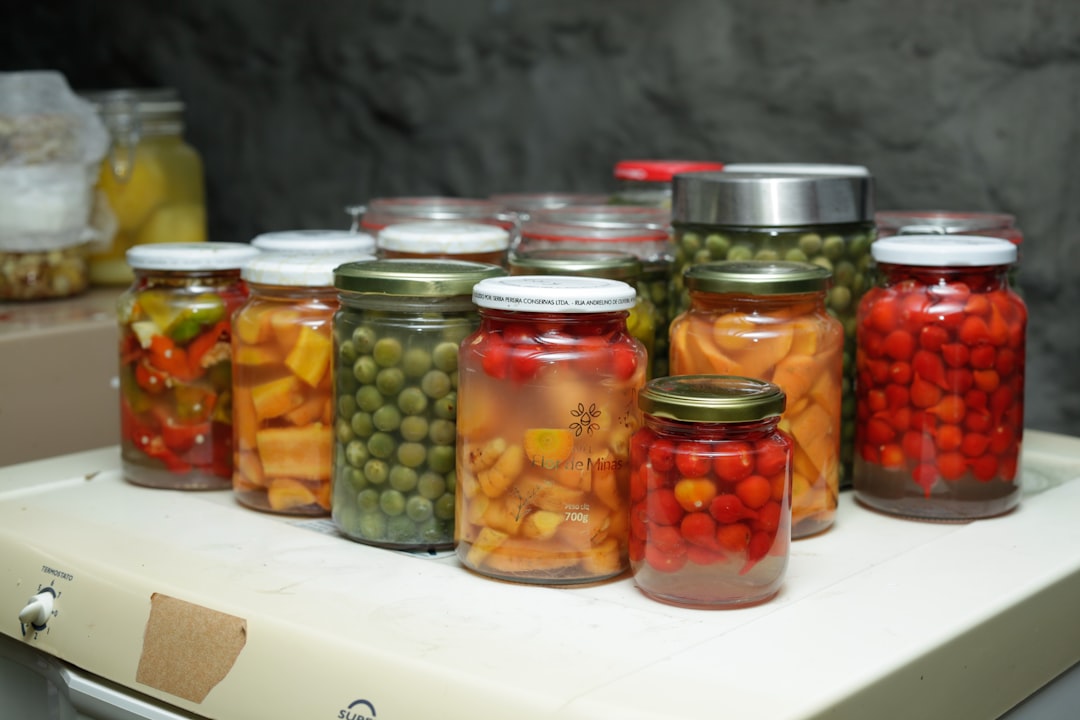
    Batch cooking on a Sunday can save UK students hours during the week while ensuring balanced nutrition and budget-friendly meals. Planning meals ahead and preparing them in one session helps avoid last-minute unhealthy choices and expensive takeaways. Using portion guidance, storing food safely, and combining ingredients smartly can make meal prep simple and efficient. This guide breaks down a practical, replicable system for student meal prep in the UK, focusing on minimal time in the kitchen and maximum meal variety. For more on fitness guides, see our guide.

    Why Batch Cooking Is the Most Efficient Thing You Can Do

    Batch cooking is preparing multiple meals in one session to last several days, cutting daily cooking time drastically. It saves UK students up to 10 hours weekly by concentrating meal prep on Sunday, allowing more time for study or rest. The NHS Eatwell Guide portion guidance recommends balancing meals with vegetables, starchy carbohydrates, protein, and a small amount of healthy fats, which batch cooking can consistently achieve. This approach reduces impulse food choices and limits food waste by controlling portions and ingredients. Batch cooking also enables cost savings through bulk buying and less food packaging, which is important when managing a student budget. Reheating pre-cooked meals encourages regular meal patterns, supporting better energy levels and focus for study sessions. Overall, batch cooking provides a practical system for managing nutrition and time efficiently.

    The One-Session Batch Cook System: Exactly How to Do It

    A single Sunday batch cook session can prepare five days of meals with just two hours in the kitchen. Begin by planning meals around versatile ingredients like chicken breasts, canned beans, frozen vegetables, and brown rice—all easily sourced from UK supermarkets such as Tesco or Asda. First, set your oven to 200°C and roast mixed vegetables (carrots, peppers, courgettes) for 30 minutes while cooking proteins on the hob or baking chicken. Use one large saucepan for rice or quinoa, which takes about 20 minutes. Multitask by chopping ingredients during cooking simmer times to save 20 minutes. Invest in five 800ml airtight containers to portion meals according to the NHS Eatwell Guide portion guidance—roughly one third vegetables, one third protein, and one third carbohydrates. Cool meals before sealing and refrigerate immediately. Label containers with the cooking date to ensure freshness. This system avoids midweek cooking and ensures healthy meals ready to reheat in microwave or oven in under five minutes.

    Stop paying personal trainers or apps to tell you what you already know. For just £49.99, the Kira Mei Nutrition Blueprint teaches you how to build your own nutrition plans tailored to your needs. No fluff, no gimmicks—just a straightforward programme that helps you realise how to take control of your diet without relying on overpriced PTs or automated apps.

    The Five Meals You Can Build From One Cook

    The three common mistakes that limit meal variety after batch cooking are: over-reliance on one protein, ignoring flavour variations, and poor storage leading to spoilage. Overusing chicken breasts can cause taste fatigue; include beans or lentils for variety and fibre. Failing to add different herbs, spices, or sauces results in monotonous meals that are tempting to skip. Poor storage without airtight containers or improper cooling risks food safety and waste. To avoid these, build meals from the base batch with mix-and-match additions: roast chicken with mixed veg and rice; lentil curry with spinach and naan; bean chili with sweet potato mash; vegetable stir-fry with noodles; and chicken salad with quinoa. Each meal uses the same batch cook components but varies flavour profiles and textures to keep weekly lunches and dinners satisfying and balanced.

    Common Batch Cooking Mistakes and How to Avoid Them

    A less obvious barrier to successful batch cooking is underestimating food safety and storage requirements. The NHS food safety and storage guidance recommends cooling cooked food within 90 minutes and storing in the fridge at or below 5°C. Storing hot food directly can raise fridge temperature and spoil other items. Another mistake is using too-large containers, which slows cooling and increases risk of bacterial growth. Using multiple smaller containers no bigger than 800ml helps food cool quickly and evenly. Overcooking ingredients also reduces nutrient retention, so timing each element precisely is key. Lastly, neglecting to include enough vegetables or protein disrupts a balanced diet. The British Nutrition Foundation balanced diet advises filling half your plate with fruit and veg and including lean protein daily. Planning with these guidelines minimises waste and supports health.

    Stop paying someone else to plan your meals. The Kira Mei Nutrition Blueprint is a no-nonsense, anti-PT programme that costs just £49.99 and shows you how to create your own sustainable nutrition plans. Visit kiramei.co.uk/nutrition to get started.

    Your Sunday Batch Cook Checklist

    Start your Sunday batch cook by making a detailed shopping list focused on affordable, nutrient-dense staples. Shop early to avoid crowds and pick fresh produce. Set aside two hours between 10am and 12pm to cook. Preheat oven, prepare chopping board and knives, and line trays. Cook starchy carbs first, then proteins and vegetables concurrently. Use timers to manage each step precisely. Portion meals into five or six 800ml airtight containers following NHS Eatwell Guide portion guidance. Label each container with the date and meal type. Cool meals on a wire rack before refrigerating. Clean kitchen surfaces thoroughly to avoid cross-contamination per NHS food safety advice. Store meals in the fridge for up to four days or freeze extras. Reheat meals thoroughly before eating.

    Frequently Asked Questions

    What is the best way for students in the UK to batch cook on Sundays?

    The best way for UK students to batch cook on Sundays is to dedicate about two hours to prepare five days' worth of meals using versatile ingredients like chicken, beans, vegetables, and rice. Portion meals into 800ml airtight containers following NHS Eatwell Guide portion guidance, cool meals within 90 minutes, and store them in the fridge at or below 5°C to maintain freshness and safety.

    How long can batch-cooked meals be safely stored in a UK student fridge?

    Batch-cooked meals can be safely stored in a UK student fridge for up to four days if cooled within 90 minutes after cooking and kept at or below 5°C, according to NHS food safety and storage guidance. Using multiple small airtight containers helps food cool quickly and reduces the risk of spoilage.

    What are common mistakes students make when batch cooking on Sundays in the UK?

    Common mistakes include over-relying on one protein source, not varying flavours which leads to meal fatigue, and improper food storage such as using large containers that delay cooling. These issues can cause food waste, nutritional imbalance, and increased risk of spoilage. Following British Nutrition Foundation balanced diet advice and NHS storage guidelines helps avoid these problems.

    How can UK students combine batch-cooked ingredients into different meals?

    UK students can build variety by mixing batch-cooked staples: pair roast chicken with rice and vegetables one day; lentil curry with spinach and naan another; bean chili with sweet potato mash; vegetable stir-fry with noodles; or chicken salad with quinoa. This mix-and-match approach prevents taste fatigue and supports a balanced diet.

    How does batch cooking help UK students save time and money?

    Batch cooking helps UK students save up to 10 hours a week by reducing daily cooking to simple reheating. It enables bulk buying of ingredients at lower prices, reduces food waste through portion control, and prevents costly last-minute takeaways. This efficient system supports budget management and consistent healthy eating.

    Stop paying someone else to plan your meals. The Kira Mei Nutrition Blueprint is a no-nonsense, anti-PT programme for just £49.99 that teaches you how to build your own nutrition plans. Get started now.

    Disclaimer: This article is for informational purposes only and does not constitute medical, nutritional, or professional fitness advice. Always consult a qualified healthcare professional before making changes to your diet or exercise routine.

  • How to Make Healthy Soups in Bulk UK: Easy Family Meal Prep Tips

    How to Make Healthy Soups in Bulk UK: Easy Family Meal Prep Tips

    Making healthy soups in bulk is a practical way to save time and money while ensuring balanced nutrition for the whole family. Using affordable UK supermarket ingredients, you can prepare large batches of soup rich in protein and fibre. This guide breaks down cost-effective protein sources, common meal prep mistakes, and offers a simple weekly plan to help optimise your family’s diet with wholesome homemade soups. For more on fitness guides, see our guide.

    Why Protein Is the Hardest Macro to Hit on a Budget

    Protein is a macronutrient essential for muscle repair, immune function, and enzyme production. The NHS protein intake recommendations specify adults should consume 0.75 grams of protein per kilogram of body weight daily. Achieving this on a tight budget can be challenging because many protein-rich foods are costlier than carbohydrate or fat sources. Animal proteins such as chicken breast or lean beef typically cost more per gram of protein compared to plant-based options. This cost disparity often leads to insufficient protein intake in bulk meal prep if not carefully planned. Additionally, protein quality and digestibility vary; complete proteins contain all essential amino acids, which is important for health but can limit affordable choices. Balancing cost, quantity, and protein quality requires knowledge of inexpensive yet nutrient-dense foods.

    The Cheapest High-Protein Foods in UK Supermarkets Right Now

    Dried lentils, priced around £0.90 per 500g at Tesco, offer approximately 24 grams of protein per 100g cooked portion, making them one of the most economical protein sources. Canned chickpeas and kidney beans cost roughly £0.55 per 400g tin and provide 7–9 grams of protein per 100g drained weight. Eggs remain a competitive option at about £1.75 for a dozen large eggs from Sainsbury’s, delivering 6 grams of high-quality protein per egg. Frozen chicken thighs at £3.50 per kg from ASDA offer around 20 grams of protein per 100g cooked weight and are significantly cheaper than chicken breasts. Incorporating these ingredients in bulk soup recipes allows for meeting protein needs without exceeding typical UK grocery budgets. Using seasonal vegetables from markets or supermarkets further reduces costs while adding fibre and micronutrients. The Money Saving Expert cheap food guide highlights these staples for budget-conscious shoppers.

    How to Structure Your Meals Around Budget Protein Sources

    The three biggest mistakes that reduce dietary protein efficiency in bulk meal prep are: relying solely on one protein source, neglecting portion control, and ignoring protein distribution throughout the day. Relying on a single source such as only beans may limit amino acid variety, reducing protein quality. Poor portion control can result in insufficient protein per serving, undermining muscle maintenance or growth. Finally, consuming most protein in one meal rather than spreading intake evenly impairs optimal muscle protein synthesis. Structuring meals by combining plant and animal proteins, measuring servings to meet individual protein targets, and dividing protein intake across three to four meals daily optimises nutritional outcomes. In soups, this can mean adding both lentils and diced chicken or incorporating eggs and dairy-based toppings. This approach aligns with British Nutrition Foundation protein and health recommendations emphasizing balanced intake for all age groups.

    Common Mistakes When Eating High-Protein on a Budget

    Contrary to popular belief, focusing solely on the cheapest protein sources without variety can negatively affect nutrient balance and meal satisfaction. According to research, limiting variety leads to reduced adherence to healthy eating plans. Another common error is underestimating the cost-efficiency of frozen and canned protein items, which often retain nutritional value and reduce waste. Overcooking protein-rich ingredients in soups can also degrade amino acid availability. The NHS Eatwell Guide recommends combining different protein types and cooking methods to maximise nutrient retention. Additionally, failing to account for protein losses during cooking results in lower actual intake than planned. Planning with accurate nutritional data and including a range of protein sources prevents these pitfalls.

    Stop paying personal trainers or apps to tell you what to eat and how to move. For £49.99 or £79.99, the Kira Mei full-stack bundle teaches you how to build your own effective fitness and nutrition programmes. It’s a no-nonsense blueprint that cuts through the fluff and lets you take control — because you don’t need a personal trainer to tell you what to do.

    Your High-Protein Budget Meal Plan for the Week

    Plan three bulk soup batches per week using a rotation of lentil and vegetable, chicken and bean, and chickpea and spinach recipes. Each batch should yield six portions, stored in airtight containers and refrigerated or frozen. Prepare ingredients on Sunday and Wednesday evenings, allocating 90 minutes per session. Portion each serving to contain 20–25 grams of protein, ensuring daily targets are met when combined with snacks or breakfasts. Include at least two vegetables per soup to increase fibre and micronutrient intake. Reheat gently to preserve protein quality.

    Frequently Asked Questions

    How can I make healthy soups in bulk in the UK?

    To make healthy soups in bulk in the UK, use affordable protein sources like dried lentils, canned beans, and frozen chicken. Cook large batches with seasonal vegetables, portion into airtight containers, and refrigerate or freeze. This method saves time, reduces waste, and ensures balanced nutrition for family meals.

    What are the cheapest high-protein ingredients for bulk soup in UK supermarkets?

    Cheapest high-protein ingredients in UK supermarkets include dried lentils (£0.90 per 500g), canned chickpeas (£0.55 per 400g tin), eggs (£1.75 per dozen), and frozen chicken thighs (£3.50 per kg). These options offer 6–24 grams of protein per serving and fit well in bulk soup recipes.

    How much protein should I include per serving in bulk soups for a healthy diet?

    According to NHS protein intake recommendations, aim for 20–25 grams of protein per soup serving to help meet daily protein needs of 0.75 grams per kilogram of body weight, supporting muscle maintenance and overall health.

    What are common mistakes when making high-protein soups on a budget?

    Common mistakes include relying on a single protein source, underestimating portion sizes, and overcooking protein ingredients, which reduces amino acid availability. Incorporate varied protein types and monitor cooking times to maintain nutrient quality.

    How do I store bulk homemade soups to keep them healthy and fresh?

    Store bulk homemade soups in airtight containers, refrigerate for up to 3 days, or freeze for up to 3 months. Portion soups before freezing to ensure consistent protein servings and reheat gently to preserve nutritional quality.

    Disclaimer: This article is for informational purposes only and does not constitute medical, nutritional, or professional fitness advice. Always consult a qualified healthcare professional before making changes to your diet or exercise routine.

  • How to Use a Slow Cooker for Cheap Meal Prep UK Beginners

    How to Use a Slow Cooker for Cheap Meal Prep UK Beginners

    Slow cooker meal prep offers a simple, cost-effective way to prepare family meals without the stress of daily cooking. Many people struggle because they plan over-ambitiously or choose unsuitable container sizes, leading to wasted food or boredom by midweek. This guide breaks down practical steps to use your slow cooker efficiently for affordable, varied meals that suit UK tastes and budgets.

    Why Most Meal Prep Attempts Fail by Wednesday

    Meal prep is the practice of preparing meals ahead of time, typically for a week, to save effort and improve diet quality. However, up to 70% of meal preppers report their plans fail by midweek. A common reason is over-ambitious cooking schedules that do not align with real-life energy or time levels. Another factor is using containers that are either too large or too small, leading to portion imbalance and food spoilage.

    Boredom with repetitive meals is a key failure mode. Eating the same dish repeatedly causes people to abandon their plans and opt for convenience foods. The British Nutrition Foundation highlights that sustainable healthy eating involves variety and meal flexibility. When meal prepping, it’s crucial to plan diverse recipes and rotate ingredients to maintain interest and nutritional balance.

    Family meal prep challenges in the UK also include accommodating different tastes and dietary needs, which can complicate batch cooking goals. Additionally, some underestimate the impact of storage and reheating techniques on food quality and safety, contributing to waste and health risks. For more on fitness guides, see our guide.

    The Real Reasons Your Prep Doesn't Survive the Week

    The main reason meal prep fails midweek is unrealistic planning. Many start by cooking large quantities of the same meal, expecting to eat identical dishes five days in a row. This approach leads to menu fatigue and cravings for variety. Instead, plan two or three different slow cooker meals per week to rotate dishes.

    Timing is another issue. Cooking everything on Sunday can result in meals spoiling before they are eaten. The NHS recommends storing cooked meals in the fridge within two hours and consuming within three to four days or freezing for longer storage. Splitting batch cooking between Sunday and Wednesday helps maintain freshness.

    Choosing ingredients is also critical. Supermarkets like Lidl and Aldi often have weekly deals on seasonal vegetables and economical cuts of meat, perfect for slow cooking. Incorporate pulses and grains to stretch meals further and add fibre. Buying loose vegetables rather than pre-packaged can reduce cost and waste.

    Money Saving Expert advises buying in bulk only for ingredients with a long shelf life or freezing capacity. Avoid over-purchasing fresh produce that will spoil midweek. Using a slow cooker means you can prepare meals from frozen or fresh ingredients with little supervision, freeing time on busy days.

    Stop paying personal trainers or apps to tell you what to eat. For just £49.99, the Kira Mei Nutrition Blueprint teaches you how to build your own effective nutrition programme tailored to your needs. Realise the power of understanding your diet without relying on automated plans. Get started now at https://www.kiramei.co.uk/nutrition.

    The Fix: A More Realistic System for Imperfect Weeks

    The three common mistakes that cause meal prep to fail are over-ambitious planning, poor portioning, and neglecting variety. First, planning every meal for the week without flexibility causes stress and leads to abandonment when unexpected events arise. Instead, prepare a couple of slow cooker meals and leave room for fresh or quick-prepared dishes.

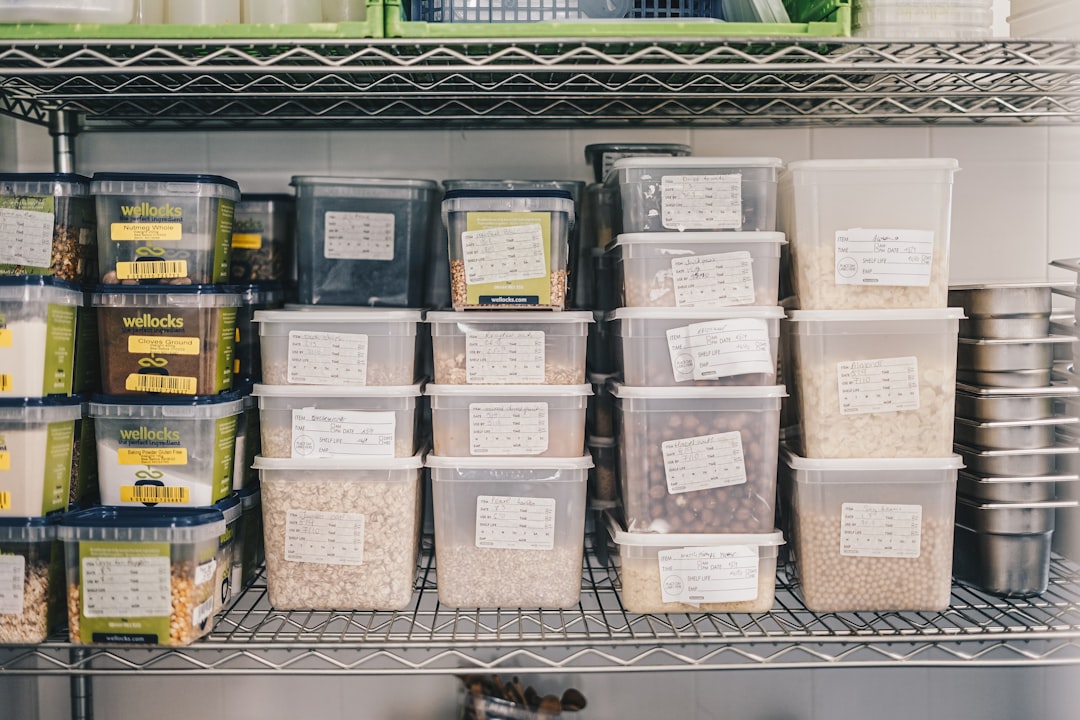
    Second, using the wrong container sizes results in wasted or insufficient portions. Larger containers encourage over-serving and leftovers that may not be eaten. Smaller containers promote controlled portions and easier freezing. Follow NHS food safety storage times to ensure meals stay safe and tasty.

    Third, ignoring variety causes early boredom. Incorporate different flavours and protein sources in your slow cooker recipes, such as chicken, beef, lentils, and mixed vegetables. Adding herbs and spices can refresh meals without extra expense. This approach aligns with the NHS Eatwell Guide recommendations for diverse, balanced diets.

    How to Build Meal Prep Into Your Life, Not Around It

    A less obvious insight is that meal prep should be designed to fit your lifestyle, not force you to fit around it. The British Nutrition Foundation notes that sustainable meal planning includes realistic goals and incremental changes. Trying to prep seven meals on a Sunday is often overwhelming and unsustainable.

    Instead, use your slow cooker to prepare two to three meals weekly and complement them with easy-to-assemble fresh foods like salads or sandwiches. This balance reduces pressure and prevents the midweek slump. Using slow cooker liners and simple recipes cuts cleanup time, making prep less daunting.

    Meal prepping with a slow cooker can also support mental wellbeing by reducing mealtime decision fatigue, a factor linked to stress eating according to Mind charity research. Planning small, manageable batches improves confidence and consistency.

    Stop paying someone else to plan your meals. For £79.99, the Kira Mei Nutrition Blueprint teaches you how to create your own nutrition programme that suits your lifestyle and goals. Take control and stop relying on cookie-cutter plans. Visit https://www.kiramei.co.uk/nutrition to get started.

    A Simpler Starting Point That Actually Sticks

    Start by choosing two slow cooker recipes with similar ingredients to minimise shopping complexity. Cook one batch on Sunday and another midweek. Portion meals into shallow containers within two hours of cooking to meet NHS food safety advice.

    Accompany slow cooker meals with quick sides like steamed greens or wholegrain bread to add freshness and variety. Use a freezer to store portions beyond four days to avoid waste.

    Track your portions and meal satisfaction to adjust quantities and recipes for the following week. This incremental approach reduces overwhelm and improves adherence. Learn more about the Kira Mei Nutrition Blueprint and how it can help you take control of your nutrition at https://www.kiramei.co.uk/nutrition.

    Frequently Asked Questions

    How can I use a slow cooker for cheap meal prep in the UK?

    Using a slow cooker for cheap meal prep in the UK involves selecting affordable, seasonal ingredients such as root vegetables and cheaper meat cuts, cooking large batches slowly, and portioning meals into containers promptly. Follow UK food safety guidelines by refrigerating cooked food within two hours and consuming within three to four days or freezing for longer storage.

    What are the best ingredients for slow cooker meal prep on a budget?

    The best budget-friendly slow cooker ingredients include dried lentils, beans, seasonal root vegetables, and cheaper cuts of meat like chicken thighs or beef brisket. UK supermarkets Lidl and Aldi frequently offer discounts on these items, enabling cost-effective, nutritious meal prep that supports sustainable eating habits recommended by the British Nutrition Foundation.

    How long can I safely store slow cooker meals in the fridge?

    According to NHS food safety storage advice, cooked slow cooker meals should be cooled and stored in shallow containers within two hours of cooking. They can be safely kept in the fridge for up to three to four days. For longer storage, freeze meals promptly to maintain safety and quality.

    Why does meal prep often fail by midweek?

    Meal prep often fails by midweek due to over-ambitious planning, eating the same meals repeatedly leading to boredom, and improper portioning causing food waste. Up to 70% of people who meal prep report abandoning plans by Wednesday, highlighting the need for realistic, varied meal prep strategies aligned with lifestyle and taste preferences.

    How can I reduce food waste when using a slow cooker for meal prep?

    To reduce food waste with slow cooker meal prep, plan meals using seasonal and sale items, buy loose vegetables rather than pre-packaged, and freeze portions not consumed within four days. Money Saving Expert advises that careful batch cooking and rotating meals can cut food waste costs significantly in UK households.

    Stop paying someone else to plan your meals. For £49.99 or £79.99, the Kira Mei Nutrition Blueprint teaches you how to build your own nutrition programme that fits your life and goals. Take control today at https://www.kiramei.co.uk/nutrition.

    Disclaimer: This article is for informational purposes only and does not constitute medical, nutritional, or professional fitness advice. Always consult a qualified healthcare professional before making changes to your diet or exercise routine.

  • Cheap Protein Overnight Oats UK Recipe for Beginners

    Cheap Protein Overnight Oats UK Recipe for Beginners

    Overnight oats are a simple, cost-effective way to get a high-protein breakfast ready the night before. Many struggle with meal prep because plans are too ambitious or portions don’t last, leading to wasted food and motivation. This recipe balances affordability and nutrition, using common UK ingredients to fit your budget and lifestyle, helping you start the day with a filling, protein-rich meal without hassle. For more on fitness guides, see our guide.

    Why Most Meal Prep Attempts Fail by Wednesday

    Meal prep is the practice of preparing meals ahead of time, often for a week, to save effort and maintain diet goals. However, 70% of people stop by midweek due to over-ambitious plans and poor portion management. The British Nutrition Foundation states that sustainable healthy eating relies on manageable changes rather than drastic overhauls. Many meal plans don’t consider storage needs or flavour fatigue, leading to wasted food and lost motivation. Containers too large or too small cause inconsistent portion sizes, while eating identical meals by Tuesday reduces appetite. This mismatch between plan and lifestyle is a key reason meal prep fails early.

    The Real Reasons Your Prep Doesn't Survive the Week

    Meal prep often stumbles because expectations outpace reality. A practical system starts with planning 3-4 meals rather than 7, focusing on ingredients that keep well, such as oats, frozen vegetables, and lean proteins available from UK supermarkets like Tesco or ASDA. Batch cooking proteins on Sunday, like chicken breast or lentils, then portioning them with oats and fresh fruit ensures variety. Timing is crucial: prep meals in segments, not all at once, to avoid burnout. Using airtight containers and storing meals in the fridge or freezer according to NHS food safety storage times extends freshness. Money Saving Expert advises buying supermarket own-brand items to cut costs without quality loss, further helping budget meal prep.

    Stop paying personal trainers to tell you what you can learn yourself. For just £49.99, the Kira Mei Nutrition Blueprint teaches you how to build your own nutrition plans that fit your lifestyle and goals — no fluff, no guesswork. Realise how simple it is to take control and ditch the cookie-cutter programmes. Get started now at https://www.kiramei.co.uk/nutrition.

    The Fix: A More Realistic System for Imperfect Weeks

    The three mistakes that undermine meal prep success are over-planning, ignoring portion sizes, and neglecting variety. Over-planning leads to unfinished meals and food waste. Incorrect portion sizes result in either overeating or hunger, disrupting energy levels. Lack of variety causes early boredom, making it tempting to abandon the plan. Each mistake directly contributes to wasted food and lost motivation. A simpler approach is to plan for 3-5 meals a week with flexible ingredients, measure portions with kitchen scales or standard UK container sizes, and rotate flavours or toppings to keep meals interesting.

    How to Build Meal Prep Into Your Life, Not Around It

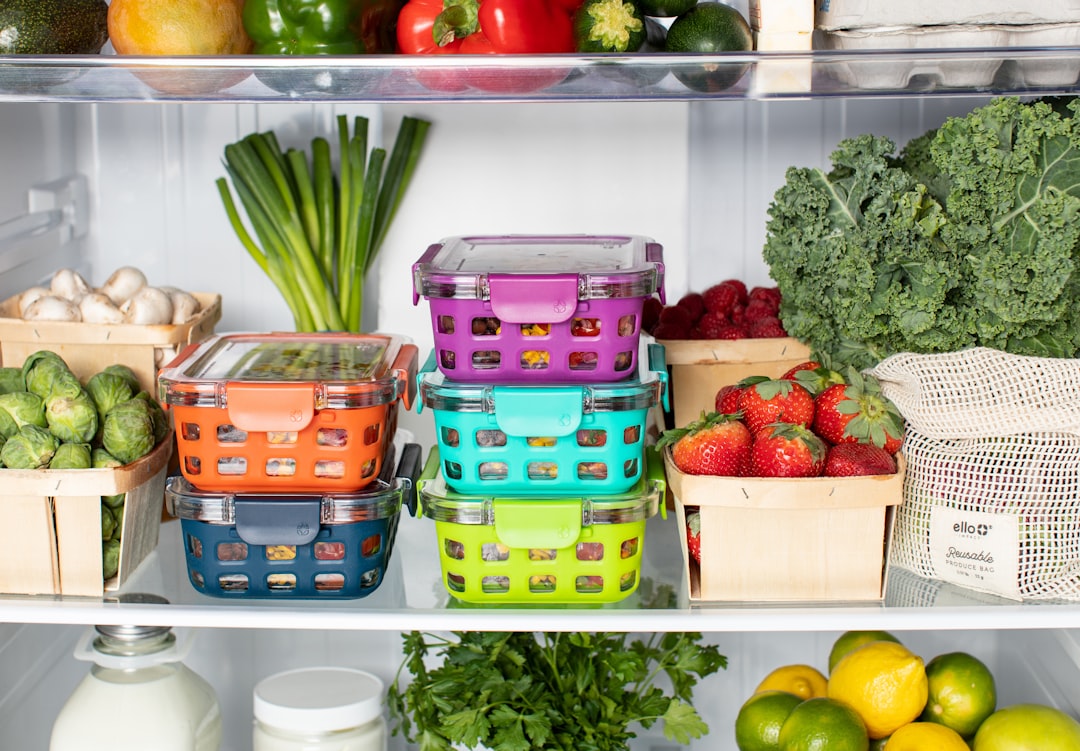
    Meal prep works best when it fits existing routines rather than creating new burdens. Evidence from the British Nutrition Foundation shows that small, incremental changes in eating habits are more sustainable. Instead of forcing a full week's prep, allocate 15-30 minutes on two days to prepare components like oats, protein, and fruit. Integrate this with shopping trips to Lidl or Aldi where affordable bulk buys are possible. The NHS Eatwell Guide recommends a balance of carbohydrates, protein, fruits, and vegetables in every meal, which overnight oats can meet with the right additions. This approach reduces stress around meal prep and limits food waste.

    Kira Mei helps you stay consistent — no spreadsheets, no guesswork.

    A Simpler Starting Point That Actually Sticks

    Start by preparing overnight oats for just three mornings per week. Use 40g of rolled oats, 150ml semi-skimmed milk or fortified plant milk, 100g Greek yoghurt, and a scoop of vanilla-flavoured protein powder. Add frozen berries or sliced banana for sweetness. Mix in a jar the night before and refrigerate. By limiting prep to a few days and using versatile ingredients, you avoid waste and monotony. Refill ingredients weekly based on what you actually consume to refine your system.

    Frequently Asked Questions

    What is a cheap protein overnight oats UK recipe?

    A cheap protein overnight oats UK recipe combines rolled oats with affordable protein sources like Greek yoghurt or protein powder, soaked overnight in milk or a milk alternative. It uses budget-friendly UK supermarket ingredients and requires no cooking, making it an easy, nutritious breakfast under £1 per serving.

    How much protein is in overnight oats with Greek yoghurt?

    Overnight oats made with 40g oats and 100g Greek yoghurt typically provide around 15-20g of protein per serving, depending on the yoghurt brand. This amount supports muscle repair and satiety, fitting well within UK dietary guidelines for a balanced breakfast.

    Can I prepare overnight oats in advance for a week?

    It is safe to prepare overnight oats for up to 3 days in advance when stored in an airtight container in the fridge, according to NHS food safety storage times. Preparing all seven days at once risks spoilage and texture loss.

    What are affordable UK supermarkets for buying overnight oats ingredients?

    Affordable UK supermarkets for buying overnight oats ingredients include Aldi, Lidl, Tesco, and ASDA. These retailers offer budget-friendly staples like rolled oats, milk, frozen fruit, and protein powders often at lower prices than premium stores.

    How can I avoid getting bored of overnight oats during the week?

    To avoid boredom, vary toppings and flavours by rotating fruits like berries, banana, or apple, adding nuts or seeds, and using different protein powders or spices such as cinnamon. Planning 3-5 servings per week rather than 7 helps maintain interest.

    Stop paying someone to tell you what to eat. For £49.99, the Kira Mei Nutrition Blueprint teaches you to build your own nutrition plans that actually work for you — no personal trainer required.

    Disclaimer: This article is for informational purposes only and does not constitute medical, nutritional, or professional fitness advice. Always consult a qualified healthcare professional before making changes to your diet or exercise routine.


  • Overnight Oats Meal Prep UK Cheap: Easy Budget Breakfast Ideas

    Overnight Oats Meal Prep UK Cheap: Easy Budget Breakfast Ideas

    Overnight oats are a popular breakfast choice for budget-conscious UK households seeking quick, nutritious starts to the day. Many struggle with meal prep because plans are over-ambitious or meals become monotonous by midweek. This guide offers practical advice on cheap overnight oats meal prep, focusing on portion control, simple ingredients, and avoiding waste. It suits anyone who’s tried and found meal prep overwhelming or expensive. Learn how to save money and reduce food waste with straightforward strategies that fit British lifestyles and supermarkets. For more on fitness guides, see our guide.

    Why Most Meal Prep Attempts Fail by Wednesday

    Meal prep is the practice of preparing meals ahead of time, often for several days or a week. In the UK, 60% of people who try meal prep stop by midweek, typically by Wednesday, due to factors such as lack of variety and poor portion sizes. Many meal prep plans rely on complex recipes or large batch cooking that overwhelms storage capacity or leads to repetitive meals that quickly lose appeal. Over-ambitious shopping lists can result in wasted ingredients that spoil before use. The British Nutrition Foundation sustainable healthy eating recommends focusing on simple, balanced meals with varied components to support long-term adherence and reduce food waste.

    The Real Reasons Your Prep Doesn't Survive the Week

    The main reason meal prep fails midweek is the mismatch between planned portions and real appetite or lifestyle changes. For example, UK supermarket Aldi offers rolled oats at an average price of 20p per 100g, making oats a cheap base for overnight oats. However, adding expensive or perishable toppings without a clear consumption plan leads to spoilage. A practical system includes prepping only 3-4 days’ worth of oats at a time, using airtight containers, and rotating flavours with affordable ingredients like frozen berries or banana slices. Additionally, following Money Saving Expert food waste advice helps shoppers buy only what they will use within recommended storage times, avoiding excess purchases that go uneaten.

    Stop paying personal trainers or apps to tell you what to eat. Instead, get the Kira Mei Nutrition Blueprint for just £49.99. This educational programme teaches you how to build your own nutrition plans tailored to your needs — no guesswork, no monthly fees, no gimmicks. Realise your potential by learning the skills to plan meals that fit your lifestyle and budget. Get the Nutrition Blueprint now and take control of your diet for good.

    The Fix: A More Realistic System for Imperfect Weeks

    The three mistakes that cause meal prep to fail are over-ambition, improper storage, and lack of variety. Over-ambition leads to preparing too many meals or complicated recipes that require time and ingredients not readily available. Improper storage results in spoilage; for instance, overnight oats last 3-5 days in the fridge if kept sealed and cold, according to NHS food safety storage times. Lack of variety causes taste fatigue, making it harder to stick with the plan. Addressing these by limiting prep to 3 days, using quality containers, and switching toppings weekly can improve success rates substantially.

    How to Build Meal Prep Into Your Life, Not Around It

    Meal prep works best when it fits into your existing routine rather than replacing it. Fitting overnight oats prep into an evening routine of 5-10 minutes avoids feeling like a chore. The NHS Eatwell Guide highlights that a balanced breakfast should include starchy foods like oats, protein such as yoghurt or milk, and fruit or vegetables, all of which can be incorporated into overnight oats easily and cheaply. Choosing ingredients from local supermarkets like Lidl, Tesco or ASDA that offer weekly discounts makes sticking to a budget easier. Planning prep around real weekly schedules, such as prepping on Sunday and Wednesday evenings, keeps meals fresh and sustainable.

    Kira Mei helps you stay consistent — no spreadsheets, no guesswork.

    A Simpler Starting Point That Actually Sticks

    Start by buying rolled oats, a milk alternative or dairy milk, and one or two affordable fruits such as apples or frozen berries. Each evening, mix 40-50g oats with 150ml milk and a portion of fruit in a reusable container. Store in the fridge overnight. Prepare only 3-4 jars at a time, and switch fruit or add-ins weekly for variety. Use nuts or seeds sparingly to keep costs low. This simple, repeatable system fits into most UK budgets without overwhelming time commitments.

    Frequently Asked Questions

    How much does cheap overnight oats meal prep cost in the UK?

    Cheap overnight oats meal prep in the UK can cost less than £1 per serving when using basic ingredients like rolled oats, milk, and frozen or seasonal fruits from budget supermarkets such as Aldi or Lidl. Bulk buying oats and using reusable containers further reduces costs.

    How long can overnight oats be stored safely in the fridge?

    Overnight oats can be stored safely in the fridge for 3 to 5 days when kept in airtight containers at temperatures below 5°C, according to NHS food safety storage guidelines. Consuming them within this timeframe prevents spoilage and foodborne illness.

    What are affordable toppings for overnight oats in the UK?

    Affordable toppings for overnight oats include frozen berries, banana slices, apples, seeds such as sunflower or pumpkin, and small amounts of nuts. These can be sourced cheaply from UK supermarkets like Tesco or ASDA, helping keep meal prep costs low.

    Why do meal prep plans often fail midweek in the UK?

    Meal prep plans often fail midweek because of over-ambitious recipes, poor portion planning, and lack of variety. These lead to food waste and loss of interest. The British Nutrition Foundation advises simple, sustainable meal plans with varied ingredients to improve adherence.

    How can I reduce food waste when prepping overnight oats cheaply?

    To reduce food waste when prepping overnight oats cheaply, prepare only 3-4 servings at a time, use frozen or seasonal fruits, and store meals in airtight containers. Following Money Saving Expert food waste advice helps by encouraging buying only what will be consumed within recommended storage periods.

    Stop paying someone else to plan your meals. Get the Kira Mei Nutrition Blueprint for £49.99 and learn how to build your own effective nutrition plans that fit your life and budget.

    Disclaimer: This article is for informational purposes only and does not constitute medical, nutritional, or professional fitness advice. Always consult a qualified healthcare professional before making changes to your diet or exercise routine.

  • How to Reheat Meal Prep Safely UK

    How to Reheat Meal Prep Safely UK

    Reheating meal prep safely in the UK is essential to avoid foodborne illnesses. Each year, approximately 2.4 million people in the UK suffer from food poisoning, with improper reheating being a common culprit. NHS guidelines specify that food must be reheated thoroughly until it is piping hot, ideally reaching 75°C, to kill bacteria such as Clostridium perfringens and Bacillus cereus. This article outlines practical steps tailored to UK shoppers and meal preppers to ensure meals remain safe and nutritious.

    Reheating meal prep safely means heating food until it is piping hot throughout, typically reaching 75°C, to kill harmful bacteria. Avoid reheating food more than once and always store it below 5°C within two hours of cooking.

    The Hidden Cheap High-Protein Foods UK Supermarkets Offer When You Reheat Meal Prep Safely

    Reheating meal prep safely starts with selecting affordable high-protein foods from UK supermarkets that withstand reheating well. High-protein foods are essential for muscle maintenance and satiety, but many avoid reheating them due to texture or safety concerns. Aldi, Lidl, and Tesco stock cost-effective options that retain quality when reheated properly.

    Protein is a macronutrient that supports muscle repair and immune function, recommended at 0.75g per kg of body weight daily by NHS guidelines [NHS protein intake recommendations].

    Affordable UK Protein Sources Suited for Reheating

    Chicken thighs and lean pork from Aldi typically cost around £3.50/kg and reheat well without drying out. Eggs and dairy from Tesco, such as quiches or cottage cheese, are also reliable protein sources that tolerate reheating.

    How to Reheat Protein Without Losing Nutritional Value

    Use gentle reheating methods like oven warming at 160°C or microwaving with a cover and stirring halfway. This prevents overheating, which can degrade protein structure.

    Your Ranked List: Best Protein-Per-Penny Foods at Aldi, Lidl and Tesco for Safe Meal Prep Reheating

    The best protein-per-penny foods for meal prep reheating in UK supermarkets are chicken breast, canned tuna, and dried lentils, balancing cost, protein content, and reheating safety.

    Supermarkets like Lidl offer chicken breast at £4.25/kg, Tesco canned tuna at £0.85 per 100g drained weight, and Aldi dried red lentils at £1.20/kg, all suitable for reheated meal prep.

    Step 1: Choose Proteins That Reheat Evenly

    Select proteins with consistent texture and water content to avoid dry or unevenly heated meals.

    Step 2: Prepare and Cool Foods Quickly

    Cook proteins thoroughly, then cool within 90 minutes before refrigeration below 5°C to limit bacterial growth [NHS food safety].

    Step 3: Follow Safe Reheating Practices

    Reheat to at least 75°C, stirring microwaved items halfway through to distribute heat evenly.

    How to Build High-Protein Meals Around Budget Sources Without Getting Bored — A UK Food Safety Perspective

    Building high-protein meals around budget-friendly UK ingredients requires avoiding three common mistakes that compromise food safety and meal enjoyment.

    The three mistakes that increase food poisoning risk and meal fatigue are: overcooking proteins during reheating, neglecting to cool food rapidly, and reheating multiple times.

    Mistake 1: Overcooking Protein During Reheating

    Excessive heat can make meat tough and dry, reducing palatability and nutrient retention.

    Mistake 2: Slow Cooling Before Refrigeration

    Delaying cooling allows bacterial growth; food should be chilled below 5°C within 90 minutes [NHS food safety].

    Mistake 3: Reheating Food Multiple Times

    Each reheating cycle increases bacterial risk; reheat only once to 75°C throughout.

    Where People Going High-Protein on a Budget Go Wrong in the UK: Meal Prep Reheating Edition

    Many UK meal preppers fail at reheating safety by ignoring temperature guidelines and storage times, leading to increased food poisoning cases.

    Clostridium perfringens causes nearly 250,000 UK food poisoning cases annually, often linked to improper reheating and cooling practices.

    Ignoring the 75°C Reheat Temperature

    Reheating below this temperature does not reliably kill bacteria, risking illness.

    Storing Meal Prep Beyond 48 Hours

    Food kept longer than 48 hours in the fridge increases bacterial load, even if reheated properly.

    Your Budget High-Protein Week: Real Meals, Real Numbers, Real Cost for Safe UK Meal Prep Reheating

    Plan your week with budget protein sources from UK stores, cool meals quickly, and reheat once to 75°C to ensure safe, nutritious meals throughout the week.

    Plan Ahead with Affordable UK Proteins

    Buy chicken thighs, lentils, and eggs from Lidl and Tesco; plan meals to use within 48 hours.

    Store and Reheat Properly

    Cool food rapidly, store below 5°C, and reheat only once in microwave or oven until piping hot.

    Kira Mei's Nutrition Blueprint is the calorie and macro system that builds safe, budget-friendly meal prep reheating into a sustainable weekly habit — one-time £49.99, lifetime access.


    Disclaimer: This article is for informational purposes only and does not constitute medical, nutritional, or professional fitness advice. Always consult a qualified healthcare professional before making changes to your diet or exercise routine.
  • Can You Freeze Meal Prep UK Which Foods Work Best for Beginners

    Can You Freeze Meal Prep UK Which Foods Work Best for Beginners

    Freezing meals is a top strategy for efficient weekly food prep in the UK. Knowing which foods freeze well can save you hours in the kitchen and reduce food waste. This guide outlines practical tips and food choices ideal for freezing, helping you build balanced, nutritious meals that maintain flavour and texture after freezing. From proteins to vegetables, learn how to store your meals safely and enjoy hassle-free nutrition all week. For more on fitness guides, see our guide.

    Why Batch Cooking Is the Most Efficient Thing You Can Do

    Batch cooking is preparing multiple meals in one session, typically for 3–7 days. The NHS Eatwell Guide portion guidance recommends balancing meals with starchy foods, proteins, fruits, and vegetables, which batch cooking supports efficiently. This approach reduces daily cooking time, lowers food waste, and improves dietary consistency. Cooking large quantities of staple ingredients like chicken breasts or lentils, then combining them differently each day, maximises variety with minimal effort. Batch cooking also enables portion control, which helps maintain nutritional targets and supports weight management.

    The One-Session Batch Cook System: Exactly How to Do It

    A single batch cooking session can produce all your meals for the week in 2–3 hours. Start by planning your menu based on freezer-friendly ingredients. Begin with proteins—roast chicken thighs or bake salmon fillets from stores like Tesco or Sainsbury’s. While these cook, prepare starchy sides like basmati rice or sweet potatoes, which freeze well after cooking. Next, steam or roast vegetables such as carrots, broccoli, and green beans. Use airtight containers or freezer bags labelled with dates. Cool all food before freezing to comply with NHS food safety and storage guidance. Reheat meals thoroughly, ideally within three months, to ensure safety and quality.

    Stop paying someone else to tell you what to eat and how to train. For just £49.99, the Kira Mei full-stack educational blueprint teaches you how to build your own meal and workout programmes that actually work—no fluff, no PT nonsense. Take control, save money, and finally realise what your body really needs.

    The Five Meals You Can Build From One Cook

    The three most common batch cooking mistakes are: cooking too much of one ingredient, neglecting variety, and poor storage leading to freezer burn. These mistakes cause meal fatigue, nutrient imbalances, and food waste. To avoid this, build five meals from one cook: a chicken and vegetable stir-fry, a lentil and sweet potato curry, a salmon and quinoa salad (ingredients frozen separately), a beef chilli with rice, and a vegetable soup. These options use overlapping ingredients prepared in one session but combined differently, ensuring nutritional balance per the British Nutrition Foundation balanced diet recommendations.

    Common Batch Cooking Mistakes and How to Avoid Them

    Contrary to popular belief, freezing does not ruin all textures or flavours if done correctly. One often overlooked error is freezing meals hot, which causes ice crystals and sogginess. The NHS food safety and storage guidance advises cooling cooked food within 90 minutes before freezing. Another mistake is failing to label containers with dates, increasing the risk of eating food past safe periods—usually three months. Also, avoid freezing dairy-heavy sauces, which separate upon thawing. Proper portioning and using freezer-safe containers can prevent these issues and maintain meal quality.

    Stop paying someone to tell you what to do. Learn how to create your own plans with the Kira Mei full-stack blueprint for £79.99. It’s time to take ownership of your nutrition and training without relying on pricey personal trainers or apps.

    Your Sunday Batch Cook Checklist

    Begin with a clear plan: write down five meals using freezer-friendly ingredients. Shop on Saturday from UK supermarkets offering fresh seasonal produce. On Sunday, allocate 2–3 hours for cooking. Cook proteins first, followed by grains and vegetables. Let everything cool on the counter no longer than 90 minutes. Portion meals into labelled airtight containers or freezer bags, noting the date. Freeze immediately to lock in freshness. Store meals flat for quicker freezing and space efficiency. Reheat thoroughly before eating.

    Frequently Asked Questions

    Can you freeze meal prep meals in the UK?

    Yes, you can freeze meal prep meals safely in the UK by following NHS food safety guidelines. Meals should be cooled within 90 minutes of cooking, stored in airtight containers or freezer bags, and consumed within three months for best quality.

    Which foods freeze well for meal prep in the UK?

    Foods that freeze well include cooked meats like chicken and beef, stews, soups, rice, pasta, and most cooked vegetables such as carrots and broccoli. Avoid freezing raw potatoes and fresh salad leaves as they lose texture.

    How long can you keep frozen meal prep food in the UK?

    Frozen meal prep food should ideally be consumed within three months to maintain nutritional quality and safety, according to NHS food storage recommendations.

    What containers are best for freezing meal prep in the UK?

    Use airtight, freezer-safe containers or heavy-duty freezer bags to prevent freezer burn. Label containers with the date to track storage time, which should not exceed three months.

    Can freezing meal prep save time and reduce waste in the UK?

    Freezing meal prep meals saves an average of two hours per week on cooking and reduces food waste by preserving excess portions, supporting efficient meal planning and budgeting.

    Ready to stop paying for plans that don’t get results? Get the Kira Mei full-stack blueprint for £79.99 and learn how to build your own effective programmes. No gimmicks, just real knowledge.

    Disclaimer: This article is for informational purposes only and does not constitute medical, nutritional, or professional fitness advice. Always consult a qualified healthcare professional before making changes to your diet or exercise routine.


  • How Long Does Meal Prep Last in the Fridge UK: A Practical Guide

    How Long Does Meal Prep Last in the Fridge UK: A Practical Guide

    Meal prepping saves time and money, but knowing exactly how long prepared meals last in the fridge is crucial to avoid waste and stay safe. In the UK, cooked meals typically keep for three to four days when stored properly in airtight containers. This guide breaks down meal prep duration, storage tips, and systems to optimise your weekly cooking, ensuring you eat fresh, balanced meals without daily kitchen time.

    Why Batch Cooking Is the Most Efficient Thing You Can Do

    Batch cooking is the process of preparing several meals in one cooking session, often enough for three to five days. It is efficient because it reduces daily meal preparation time by consolidating cooking tasks into a single session. According to the NHS Eatwell Guide, balanced meals include a mix of starchy carbohydrates, protein, fruits, vegetables, and small amounts of fat. Batch cooking allows precise portioning of these components in line with nutritional standards, making it easier to meet daily dietary requirements.

    By cooking once and storing meals correctly, you can maintain a varied diet without daily kitchen time. This method also helps reduce food waste by planning portions to match your appetite. Batch cooking can cut down grocery trips to once a week, saving time and money. Using airtight containers that are microwave-safe and stackable improves storage efficiency and meal reheating convenience. For more on fitness guides, see our guide.

    The One-Session Batch Cook System: Exactly How to Do It

    The one-session batch cook system involves preparing all your meals for the week in a single cooking session, typically lasting two to three hours. Start by planning your meals using ingredients available at UK supermarkets such as Tesco or Sainsbury's, focusing on versatile proteins like chicken breast or lentils and seasonal vegetables.

    Begin with washing and chopping all vegetables, then move to cooking proteins and starches like brown rice or potatoes simultaneously. Use two or three large saucepans or oven trays to cook different components at once. This approach minimises total cooking time to under three hours.

    Once cooked, divide meals into portion-sized airtight containers designed for fridge storage. Label containers with the cooking date to track freshness. Store meals in the fridge at or below 5°C immediately after cooling to maintain safety, following NHS food safety and storage guidance.

    Reheat meals thoroughly before eating, ensuring they reach steaming hot throughout. This system streamlines meal prep, maximising efficiency and reducing decision fatigue during the week.

    If you’re tired of paying personal trainers or apps to tell you what to eat, it’s time to take control. The Kira Mei Nutrition Blueprint teaches you how to build your own nutrition programmes with clear, no-nonsense guidance — all for just £49.99. Stop handing over your hard-earned cash to trainers who don’t want you to realise you can do this yourself.

    The Five Meals You Can Build From One Cook

    The three common mistakes that shorten meal prep freshness are: 1) Overpacking containers causing uneven cooling, which increases spoilage risk; 2) Mixing wet and dry ingredients prematurely leading to sogginess and texture loss; 3) Ignoring portion sizes resulting in wasted food or overeating. These errors can lead to meals lasting less than the recommended three to four days, causing unnecessary waste and additional cooking time.

    From one batch cook, you can build five different meals by varying sauces, spices, and sides. For example, cooked chicken can combine with steamed vegetables and rice one day, then with a salad and couscous the next. Using the British Nutrition Foundation balanced diet principles, you can rotate meals to keep variety and nutrition without extra cooking.

    Use separate containers for dressings and sauces to maintain freshness. Incorporate leafy greens or fresh herbs at serving time to boost flavour and nutrient intake. Planning meals this way ensures you get diverse, balanced nutrition while extending the usability of your batch-cooked ingredients.

    Common Batch Cooking Mistakes and How to Avoid Them

    Contrary to popular belief, batch cooking mistakes often stem from storage rather than the cooking process itself. According to NHS food safety and storage guidance, meals stored in the fridge should be eaten within three to four days to avoid bacteria growth. A common error is leaving meals at room temperature too long before refrigeration, which accelerates spoilage.

    Another mistake is using inappropriate containers that do not seal well, leading to moisture loss or contamination. Opt for BPA-free, airtight plastic or glass containers that fit your fridge shelves efficiently.

    Reheating meals unevenly is also a frequent issue; ensure food reaches at least 75°C throughout to kill harmful bacteria. Avoid reheating meals more than once as this increases food safety risks. Applying these guidelines can extend meal freshness and reduce health hazards.

    Stop paying someone else to plan your nutrition. The Kira Mei Nutrition Blueprint is your £49.99 shortcut to mastering meal planning without the fluff or gimmicks.

    Your Sunday Batch Cook Checklist

    Follow this checklist to maximise the efficiency and safety of your Sunday batch cook:

    1. Plan your meals using the NHS Eatwell Guide to balance portions.
    2. Shop for ingredients fresh and store perishables immediately.
    3. Allocate two to three hours for cooking multiple dishes simultaneously.
    4. Use airtight, portion-sized containers and label with the cooking date.
    5. Cool meals quickly and refrigerate at or below 5°C within two hours.
    6. Reheat meals thoroughly to at least 75°C before eating.

    Adhering to this system ensures your meal prep lasts three to four days in the fridge safely. Learn more about the Kira Mei Nutrition Blueprint and how it can help you build your own plans for just £49.99.

    Frequently Asked Questions

    How long does meal prep last in the fridge UK?

    Meal prep lasts three to four days in the fridge in the UK when stored correctly in airtight containers and kept at or below 5°C, according to NHS food safety guidance.

    What is the best way to store meal prep in the fridge?

    The best way to store meal prep is in airtight containers, placed in the fridge at or below 5°C immediately after cooling, to keep food fresh and safe for up to four days, as recommended by NHS food storage guidelines.

    Can I freeze batch-cooked meals to extend shelf life?

    Yes, freezing batch-cooked meals extends shelf life to three months or more. Ensure meals are cooled completely, stored in freezer-safe airtight containers, and reheated thoroughly after thawing.

    How do I know if meal prep has gone bad in the fridge?

    You can tell meal prep has gone bad if it smells sour, has a slimy texture, or visible mould. Foods stored beyond the recommended three to four days in the fridge are more likely to spoil, according to NHS food safety advice.

    Is it safe to reheat meal prep more than once?

    It is not recommended to reheat meal prep more than once as repeated heating increases the risk of bacterial growth and foodborne illness, according to NHS food safety guidance.

    Disclaimer: This article is for informational purposes only and does not constitute medical, nutritional, or professional fitness advice. Always consult a qualified healthcare professional before making changes to your diet or exercise routine.