
Tag: workout-plans

  • How to Batch Cook Jacket Potatoes UK: Efficient Meal Prep for Beginners

    How to Batch Cook Jacket Potatoes UK: Efficient Meal Prep for Beginners

    Batch cooking jacket potatoes is an effective way to prepare meals ahead while saving time and reducing food waste. In the UK, jacket potatoes offer a versatile and affordable base for high-protein meals. This guide explains how to cook multiple potatoes at once, store them properly, and reheat without losing texture or flavour. Ideal for fitness enthusiasts and anyone looking to optimise meal prep, this method fits well with UK shopping habits and kitchen equipment. For more on meal prep UK, see our guide.

    Why Protein Is the Hardest Macro to Hit on a Budget

    Protein is a macronutrient essential for muscle repair, immune function, and overall health, with the NHS recommending adults consume 0.75g per kilogram of body weight daily. Achieving adequate protein intake on a budget is challenging as quality sources often cost more, and protein-rich foods can spoil faster. The NHS protein intake recommendations highlight that typical portions of meat, fish, eggs, and pulses provide varying protein amounts, complicating consistent meal planning. Protein's higher cost relative to carbohydrates and fats means budget-conscious shoppers must prioritise affordable yet nutrient-dense options to meet daily targets efficiently.

    The Cheapest High-Protein Foods in UK Supermarkets Right Now

    Affordable protein sources in UK supermarkets include tinned tuna, dried lentils, eggs, and canned beans, all available for under £1 per 100g of protein equivalent according to Money Saving Expert's cheap food guide. For example, a 120g can of tuna costs around 70p and contains approximately 26g protein, while a dozen large eggs priced at £1.80 offers 72g protein total. Dried red lentils at £1.20 per 500g bag yield roughly 32g protein per 100g cooked. Tesco, Asda, and Aldi regularly stock these items. Batch cooking pulses combined with jacket potatoes can create filling, protein-rich meals while keeping costs low.

    Stop paying someone else to tell you what to eat. For just £49.99, the Kira Mei Nutrition Blueprint teaches you how to build your own nutrition plans that suit your lifestyle and goals. No fluff, no personal trainers trying to upsell you. Realise your potential with a straightforward programme that puts you in control.

    How to Structure Your Meals Around Budget Protein Sources

    The three mistakes that reduce protein budget efficiency are over-reliance on expensive cuts of meat, neglecting plant-based proteins, and poor portion control. Overbuying premium meats like sirloin or salmon raises costs unnecessarily. Ignoring lentils, beans, or eggs limits affordable protein intake. Finally, inconsistent portion sizes can cause under- or overeating, impacting both nutrition and finances. Structuring meals to include mixed protein sources—such as jacket potatoes with baked beans, eggs, or tinned mackerel—optimises costs and nutrient variety. Planning weekly menus with specific protein grams per meal ensures balanced intake without overspending.

    Common Mistakes When Eating High-Protein on a Budget

    Contrary to popular belief, focusing solely on protein powders or supplements is not the most cost-effective way to meet protein needs. According to the British Nutrition Foundation protein and health overview, whole foods provide additional nutrients and satiety benefits. Another common mistake is neglecting food safety during batch cooking, which can lead to spoilage; the NHS food safety guidelines recommend cooling cooked potatoes within two hours and storing below 5°C. Lastly, some assume larger portions mean better results, but excess protein intakes above 2g per kilogram body weight offer no added benefit and waste money.

    Stop paying someone else to tell you what to eat. For just £49.99, the Kira Mei Nutrition Blueprint teaches you how to build your own nutrition plans that suit your lifestyle and goals. No fluff, no personal trainers trying to upsell you. Realise your potential with a straightforward programme that puts you in control.

    Your High-Protein Budget Meal Plan for the Week

    Prepare 10 medium jacket potatoes on Sunday by washing and pricking them, then baking at 200°C for 75 minutes. Once cooled, store in an airtight container in the fridge. Each day, reheat one or two potatoes and pair with budget proteins like boiled eggs, baked beans, or tinned sardines. Include raw vegetables or salad for fibre. Maintain consistent protein portions of 20–30g per meal. This simple plan supports muscle maintenance and satiety while controlling costs.

    Frequently Asked Questions

    How long does it take to batch cook jacket potatoes in the UK?

    Batch cooking jacket potatoes typically takes about 75 minutes at 200°C in a conventional oven. This timing ensures the potatoes are cooked through with fluffy interiors and crisp skins, ideal for meal prep routines.

    Can I store batch cooked jacket potatoes safely in the fridge?

    Yes, batch cooked jacket potatoes should be cooled within two hours of cooking and stored in airtight containers in the fridge at or below 5°C. Stored this way, they remain safe to eat for up to four days.

    What is the best way to reheat batch cooked jacket potatoes?

    The best reheating methods are using an oven at 180°C for about 15 minutes or a microwave for 3–4 minutes. These methods maintain the potato’s texture and flavour without drying them out.

    How many jacket potatoes should I batch cook for a week in the UK?

    Batch cooking around 10 medium-sized jacket potatoes is sufficient for a week's meal prep, assuming one or two potatoes per meal, depending on your energy and protein needs.

    Which UK supermarkets offer the cheapest protein sources to pair with jacket potatoes?

    Supermarkets like Aldi, Tesco, and Asda provide budget-friendly protein options such as tinned tuna (~70p per 120g can), dried lentils (£1.20 per 500g), and eggs (£1.80 per dozen), ideal for pairing with jacket potatoes.

    Stop paying someone else to tell you what to eat. For just £49.99, the Kira Mei Nutrition Blueprint teaches you how to build your own nutrition plans that suit your lifestyle and goals. No fluff, no personal trainers trying to upsell you. Realise your potential with a straightforward programme that puts you in control.

    Disclaimer: This article is for informational purposes only and does not constitute medical, nutritional, or professional fitness advice. Always consult a qualified healthcare professional before making changes to your diet or exercise routine.

  • High Protein Breakfast Meal Prep UK Cheap: Affordable Options for Beginners

    High Protein Breakfast Meal Prep UK Cheap: Affordable Options for Beginners

    Planning a high protein breakfast meal prep in the UK on a budget requires a clear shopping strategy and knowledge of inexpensive nutritious ingredients. Simple staples like eggs, oats, and canned beans can deliver essential protein for less than £1 per serving. This guide breaks down exact supermarket products, prices, and a weekly meal plan to help you eat well without overspending. Whether you shop at Aldi, Lidl, or Tesco, you can fuel your mornings with cheap, protein-rich meals that support fitness goals.

    Why This Supermarket Is One of the Best for Budget Meal Prep

    Aldi is a leading budget supermarket in the UK known for its low prices and quality own-brand products. According to Money Saving Expert cheap supermarket food listings, Aldi consistently offers some of the cheapest staples needed for high protein breakfast meal prep. For example, a dozen Everyday Essentials eggs cost £1.08, averaging 9p per egg, while 500g of rolled oats is priced at 45p. This makes Aldi an excellent choice for shoppers aiming to reduce food bills without compromising nutritional quality.

    The supermarket’s range of tinned beans, such as chickpeas or red kidney beans, costs around 35p per tin and can add 7-9g of protein per 100g serving to your breakfast. Aldi’s Greek Style Natural Yoghurt delivers 10g protein per 100g at approximately £1.25 for 500g, which is cheaper than many branded equivalents. For more on high protein foods on a budget, see our guide.

    Aldi’s emphasis on own-brand products reduces cost markup seen at other supermarkets, enabling consistent savings on protein-rich foods. This supermarket aligns well with the NHS Eatwell Guide recommendations, providing balanced meals with sufficient protein and fibre at a fraction of the price of premium brands.

    The Exact Products to Buy and What They Cost

    When planning high protein breakfast meal prep UK cheap, focus on buying these core ingredients from Aldi or Lidl to maximise value:

    1. Eggs (Aldi Everyday Essentials, 12 pack for £1.08; approx 9p each)
    2. Rolled Oats (Lidl’s own 500g for 45p; provides 13g protein per 100g)
    3. Greek Style Natural Yoghurt (Aldi, 500g for £1.25; 10g protein per 100g)
    4. Tinned Beans (Aldi chickpeas or kidney beans, 400g tin for 35p; 7–9g protein per 100g)
    5. Peanut Butter (Lidl, 340g for £1.45; 25g protein per 100g)

    A sample prep sequence starts with soaking oats overnight for an easy breakfast. Mix 50g oats with 100g Greek yoghurt, a tablespoon of peanut butter, and a handful of tinned beans or cooked eggs for variety. Preparing eggs boiled or scrambled in batches saves time and costs about 20p per serving.

    Shopping at Lidl or Aldi twice a week ensures freshness and avoids food waste. Buying in bulk, such as a 1kg bag of oats for £1.50, further reduces cost per meal. Using tinned beans as a protein boost is both inexpensive and shelf-stable, making them a smart pantry staple.

    Stop paying personal trainers or apps to tell you what to eat. For just £49.99, get the Kira Mei Nutrition Blueprint — a no-nonsense, educational programme that teaches you exactly how to build your own nutrition plans that work for your body and goals. Realise the freedom of knowing how to plan your meals without relying on automated gimmicks. Learn more and get started at https://www.kiramei.co.uk/nutrition.

    How to Build a Full Week of Meals From One Shop

    The three main mistakes that increase costs when prepping high protein breakfasts are buying branded items, neglecting batch cooking, and ignoring supermarket offers. Buying branded yoghurts or peanut butter can double the price compared to own-brand alternatives. For example, branded Greek yoghurt often costs £2.50 per 500g tub versus £1.25 for Aldi’s version.

    Neglecting batch cooking results in daily cooking time and potential food waste. Cooking a dozen eggs once and refrigerating them provides quick protein-rich options all week. Ignoring supermarket offers misses out on potential savings of up to 30% on staples like oats or tinned beans.

    Planning your shop around weekly discounts and stocking up on items like oats and peanut butter ensures you have protein sources available at all times. This reduces impulse buys of expensive convenience foods that inflate your bill.

    Common Mistakes That Inflate Your Food Bill

    Contrary to popular belief, shopping at premium supermarkets is not the only factor inflating food bills. A key contributor is poor storage and spoilage. The NHS food safety storage guidelines emphasise that improper refrigeration can cause protein foods like eggs and yoghurt to spoil faster, leading to waste and repeat purchases.

    Another mistake is buying single-serve portions instead of bulk packs. For example, single yoghurt pots often cost 50p each, whereas a 500g tub from Aldi costs £1.25 and provides multiple servings.

    Ignoring seasonal supermarket promotions also leads to paying full price rather than discounted rates on staple items. Using a shopping list focused on protein-rich, low-cost items recommended by the British Nutrition Foundation for healthy eating can prevent overspending.

    Planning meals and shopping with price per 100g protein in mind helps identify the most cost-effective sources. Eggs and oats deliver high protein at low cost compared to processed breakfast cereals or ready meals.

    Stop paying someone else to tell you what to eat or how to plan. The Kira Mei Nutrition Blueprint is your £49.99 educational programme that cuts through the nonsense and teaches you how to build your own effective nutrition plans. No fluff, no personal trainer BS. Find out more at https://www.kiramei.co.uk/nutrition.

    Your Complete Weekly Meal Plan Using Only This Supermarket

    Start your week by buying a dozen eggs, 1kg rolled oats, two 500g tubs of Greek yoghurt, four tins of mixed beans, and a jar of peanut butter from Aldi or Lidl. Prepare 6 boiled eggs on Sunday and store in the fridge. Each morning, combine 50g oats with 150g yoghurt and a tablespoon of peanut butter or a boiled egg for variety.

    Alternate between savoury options like scrambled eggs with beans and sweet options like yoghurt with oats and peanut butter. By Wednesday, re-stock on eggs and yoghurt if needed.

    This meal prep strategy costs approximately £1.50–£1.80 per breakfast and provides over 20g protein per meal. Learn more about the Kira Mei Nutrition Blueprint and how it can help you get started at https://www.kiramei.co.uk/nutrition.

    Frequently Asked Questions

    What are cheap high protein breakfast options in the UK?

    Cheap high protein breakfasts in the UK include eggs from Aldi at around 9p each, Lidl rolled oats costing 45p per 500g, and Aldi Greek yoghurt priced at £1.25 for 500g. These options provide over 20 grams of protein per serving while keeping costs under £2.

    How much protein should I aim for in a breakfast meal prep?

    The NHS recommends adults consume around 0.75g of protein per kilogram of body weight daily, with breakfast ideally providing 20-30g to support muscle maintenance and energy. Combining eggs, oats, and yoghurt can easily meet this target.

    Which UK supermarket offers the cheapest protein-rich foods?

    Aldi is recognised as one of the cheapest UK supermarkets for protein-rich foods, with Everyday Essentials eggs at £1.08 per dozen and Greek yoghurt at £1.25 per 500g tub, according to Money Saving Expert cheap supermarket food listings.

    Can I prepare a week’s worth of high protein breakfasts from one shop?

    Yes, purchasing a dozen eggs, 1kg of oats, two tubs of Greek yoghurt, tinned beans, and peanut butter from one supermarket like Aldi or Lidl can provide enough protein-rich ingredients for a full week of breakfasts.

    What are common mistakes that increase food costs in meal prep?

    Common mistakes include buying branded items instead of supermarket own-brand, failing to batch cook leading to food waste, and ignoring supermarket promotions. Proper food storage following NHS guidelines also prevents spoilage and unnecessary repurchasing.

    Stop paying someone else to tell you what to eat. Get the Kira Mei Nutrition Blueprint for £49.99 and learn how to build your own nutrition plans that actually work. Visit https://www.kiramei.co.uk/nutrition to get started.

    Disclaimer: This article is for informational purposes only and does not constitute medical, nutritional, or professional fitness advice. Always consult a qualified healthcare professional before making changes to your diet or exercise routine.

  • How to Batch Cook Mince UK and Freeze It: A Beginner’s Guide

    How to Batch Cook Mince UK and Freeze It: A Beginner’s Guide

    Batch cooking mince and freezing it is an efficient way to save time and reduce food waste. By buying mince in bulk from budget supermarkets like Aldi or Lidl, you can prepare multiple meals at once for under £10. Proper portioning and storage ensure freshness for up to 3 months. This guide shows you exact products, costs, and steps to build a week’s meals from one shop, tailored for UK kitchens.

    Why This Supermarket Is One of the Best for Budget Meal Prep

    Aldi is regarded as one of the best supermarkets in the UK for budget meal prep due to its consistently low prices and quality products. For example, Aldi’s Everyday Essentials minced beef is priced at approximately £3.49 per 500g, offering excellent value compared to other retailers. According to Money Saving Expert cheap supermarket food, Aldi ranks highly for affordable staples which are perfect for batch cooking.

    Aldi also stocks a wide range of frozen vegetables and canned goods that complement mince-based meals. The store’s streamlined product range reduces decision fatigue and speeds up shopping, essential when planning batch cooking. Many shoppers report saving up to 40% on their weekly grocery bills by switching to Aldi. For more on meal prep UK, see our guide.

    Moreover, Aldi’s quality standards ensure the mince meets UK food safety regulations, making it safe and reliable for freezing and reheating. This combination of low cost, quality, and convenience makes Aldi a top choice for meal preppers in the UK.

    The Exact Products to Buy and What They Cost

    To batch cook mince effectively, start with buying 1kg of minced beef from Aldi Everyday Essentials at £6.98 per pack or Lidl’s minced beef at around £7.00. For a leaner option, Tesco’s British 5% fat minced beef costs about £5.50 per 500g. Alongside mince, purchase 1kg of frozen mixed vegetables from Iceland for roughly £1.50 and a jar of Loyd Grossman tomato and basil sauce for £1.20 from Sainsbury’s.

    For seasoning, buy a 100g jar of Schwartz mixed herbs at £1.00 and a 50g pack of Tesco garlic granules for 60p. Also, stock up on 500g of basmati rice from Asda for £1.20 to serve with mince dishes.

    Batch cooking steps: brown the mince in a large non-stick pan (about 15 minutes), add vegetables and tomato sauce, simmer for 10 minutes. Cool the cooked mince quickly by spreading it thinly on a baking tray, then divide into 250g portions using freezer-safe containers or zip-lock bags.

    Label each portion with the date using a permanent marker. Freeze flat to save space. This system yields 4-5 meals costing roughly £2 each, providing balanced nutrition and convenience.

    Stop paying personal trainers or apps to tell you what to eat and how to train. For £49.99 or £79.99, the Kira Mei full-stack-bundle teaches you exactly how to build your own meal and workout plans that suit your lifestyle and preferences. Realise the power of creating your own programme without the fluff or guesswork. Get the blueprint now at https://www.kiramei.co.uk/bundle.

    How to Build a Full Week of Meals From One Shop

    The three mistakes that often disrupt batch cooking efficiency are buying too small quantities, lacking variety in ingredients, and improper storage leading to freezer burn.

    Buying less mince than needed means extra shopping trips and higher costs. For example, purchasing only 500g of mince when planning five meals leads to insufficient portions and food waste. Similarly, relying on one flavour or sauce can cause meal fatigue, reducing the likelihood of finishing prepped dishes.

    Improper storage, such as using non-airtight containers or not cooling mince before freezing, accelerates spoilage and lowers food quality. According to the NHS food safety storage, cooked mince should be cooled within two hours and stored at -18°C or below to remain safe.

    To avoid these pitfalls, buy at least 1kg of mince per week, incorporate different sauces or spice blends, and use airtight containers. This approach ensures a varied, nutritious meal plan that lasts the whole week.

    Common Mistakes That Inflate Your Food Bill

    Contrary to popular belief, buying in bulk is not always cheaper if you do not plan portion sizes correctly. Oversized portions often lead to food waste, which inflates your weekly grocery spend. For example, a 1kg pack of minced beef from Tesco costs £7.00, but if only half is consumed and the rest spoils due to poor freezing, effective cost per meal rises sharply.

    Another costly mistake is purchasing premium sauces or ready-made meal kits instead of basic ingredients. The British Nutrition Foundation healthy eating recommends cooking from scratch using simple herbs and spices for both health and budget benefits.

    Lastly, frequent last-minute shopping trips to convenience stores can add £5–£10 extra per week compared to planned supermarket visits. Sticking to a shopping list and cooking in bulk reduces impulse buys and saves money.

    Stop paying someone else to plan your meals and workouts. The Kira Mei full-stack-bundle for £49.99 or £79.99 gives you the educational blueprint to create your own plans that actually work for you — no nonsense, no personal trainer required. Check it out here: https://www.kiramei.co.uk/bundle.

    Your Complete Weekly Meal Plan Using Only This Supermarket

    Create your weekly meal plan by buying 1kg minced beef, frozen mixed vegetables, a jar of tomato sauce, rice, and herbs all from Aldi or Lidl. Cook all mince at once, then portion into five 250g containers. Pair each portion with 150g cooked basmati rice and a serving of vegetables.

    Schedule cooking on Sunday afternoon to free up evenings. Store portions in the freezer and thaw in the fridge overnight before reheating. This plan covers five dinners under £12 total. Learn more about the Kira Mei full-stack-bundle and how it can help you get started at https://www.kiramei.co.uk/bundle.

    Frequently Asked Questions

    How long can batch cooked mince be frozen safely in the UK?

    Batch cooked mince can be safely frozen for up to three months when stored in airtight containers or freezer bags at -18°C or below, according to NHS food safety guidance. Label portions with dates to ensure freshness and consume within this timeframe to maintain quality and safety.

    What is the best supermarket in the UK to buy mince for batch cooking?

    Aldi is one of the best supermarkets in the UK for buying mince for batch cooking due to its low prices and quality. Aldi Everyday Essentials minced beef typically costs around £3.49 per 500g, providing excellent value compared to other retailers.

    How much minced beef should I buy for a week’s batch cooking meals?

    For a week’s worth of batch cooked meals, buying 1kg of minced beef is recommended. This quantity can yield around four to five portions, enough for dinner servings across several days, depending on portion sizes.

    What is the cheapest way to season mince for batch cooking in the UK?

    Using basic herbs and spices such as Schwartz mixed herbs (£1.00 per 100g) and Tesco garlic granules (60p per 50g) offers a budget-friendly way to season mince. Combining these with affordable tomato sauce like Loyd Grossman (£1.20 per jar) keeps costs low.

    How should I cool and freeze cooked mince to ensure food safety?

    Cooked mince should be cooled within two hours by spreading it thinly on a baking tray before portioning. Store in airtight containers or freezer bags, label with the date, and freeze promptly at -18°C or lower to maintain safety and quality, as advised by the NHS.

    Disclaimer: This article is for informational purposes only and does not constitute medical, nutritional, or professional fitness advice. Always consult a qualified healthcare professional before making changes to your diet or exercise routine.

  • How to Batch Cook Fish UK Safely: Practical Tips for Beginners

    How to Batch Cook Fish UK Safely: Practical Tips for Beginners

    Batch cooking fish safely in the UK requires knowledge of food safety, budgeting, and proper storage. Whether you’re cooking for yourself, a family, or managing a tight budget, knowing how to prepare and store fish correctly prevents waste and foodborne illness. This guide covers everything from choosing the right fish to shopping smartly and cooking efficiently. It also provides tailored meal plans to fit your household’s needs, ensuring you get nutritious and delicious meals all week.

    Why Generic Meal Prep Advice Fails Most People

    Generic meal prep advice often ignores individual circumstances. Batch cooking is "preparing several meals at once to save time," but one-size-fits-all tips overlook budget constraints, cooking skills, and household size. The British Nutrition Foundation states healthy eating varies with age and lifestyle, so meal prep should adapt accordingly. Many guides recommend large batch sizes unsuitable for singles or small families, leading to waste or poor nutrition. Others fail to address safe fish handling, which is critical given fish’s perishability. Without considering fridge space, freezer capacity, or time available, generic advice results in spoiled food or increased costs. Tailored strategies improve nutrient intake and reduce food waste by planning realistic portions and cooking methods suited to your life stage and household. For more on meal prep UK, see our guide.

    Budget Meal Prep for Your Situation: Student, Solo, or Family

    Budget batch cooking for fish requires a clear, cost-effective system. The Money Saving Expert resource highlights cheap supermarket options like frozen fish fillets or canned fish, which can be the backbone of affordable meal prep. Students or those on tight budgets should buy frozen fish from supermarkets such as Tesco or Aldi in bulk deals, then batch cook and freeze portions immediately. Solo cooks can prepare smaller batches by dividing fish into single-serve portions before cooking to avoid leftovers. Families benefit from cooking larger fish portions, then using leftovers for salads or pasta dishes. Cooking fish with simple spices and versatile recipes helps stretch ingredients. Planning meals around supermarket offers and incorporating frozen veg reduces costs. Aim to shop once a week, cook twice a week, and store safely in labelled containers to maximise value and minimise waste.

    Stop paying personal trainers or apps to tell you what to eat. For just £49.99, the Kira Mei Nutrition Blueprint teaches you how to build your own nutrition plans tailored to your needs and preferences. No fluff, no guesswork, just a straightforward programme to help you realise what works for your body and lifestyle. Get the blueprint now at https://www.kiramei.co.uk/nutrition and take control of your nutrition without relying on overpriced PTs or gimmicks.

    The Shopping and Cooking Adjustments That Actually Make a Difference

    The three biggest mistakes that compromise batch cooking fish are buying too much fresh fish without freezing, improper cooling, and reheating incorrectly. Buying large quantities of fresh fish without freezing leads to spoilage within 1–2 days, increasing food poisoning risk. Rapid cooling is essential; leaving cooked fish out at room temperature for over two hours allows bacteria growth. Reheating fish unevenly or not to 70°C fails to kill harmful bacteria. Shopping adjustments include choosing frozen or vacuum-packed fish for longer shelf life. Cooking adjustments involve portioning fish immediately after cooking and cooling in shallow containers to speed chilling. Label food with cooking and freezing dates. These steps maintain fish quality, reduce waste, and keep meals safe.

    Scaling Up or Down Without Wasting Food or Money

    Scaling batch cooking fish up or down is best done by planning portions based on daily needs and storage limits. Contrary to the myth that bigger batches save more money, cooking just what you can consume in 2 days reduces waste. The NHS Eatwell Guide advises oily fish twice weekly, so prepare portions aligned with these guidelines rather than large bulk quantities. Freezing unused portions extends shelf life up to 3 months. Use airtight containers or freezer bags to prevent freezer burn. Adjust cooking times for batch size; smaller portions cook faster and retain moisture better. Batch cooking should balance cost savings with freshness and safety, avoiding the trap of overbuying that leads to spoilage and wasted money.

    Kira Mei helps you stay consistent — no spreadsheets, no guesswork.

    A Week of Meals Tailored to Your Household Size

    Create a meal plan based on your household size and schedule. For singles, cook 2–3 portions of fish at once, store one in the fridge and freeze the rest. For couples, prepare 4–6 portions split between fresh and frozen. Families should batch cook 8+ portions, using leftovers creatively in salads or fishcakes. Start shopping on Sunday with a list including budget-friendly fish options and accompaniments. Cook on Sunday or Monday, cool quickly, label containers, and store appropriately. Reheat meals thoroughly before eating. Adjust spice levels and sides to suit preferences. Learn more about Kira Mei and how she can help you get started.

    Frequently Asked Questions

    How long can batch cooked fish be safely stored in the UK fridge?

    Batch cooked fish can be safely stored in a UK fridge for up to 2 days when kept in airtight containers at temperatures below 5°C. After this period, the risk of bacterial growth and foodborne illness increases. For longer storage, freezing is recommended.

    What is the safest way to thaw frozen batch cooked fish in the UK?

    The safest method to thaw frozen batch cooked fish in the UK is to place it in the fridge for 12–24 hours, allowing it to defrost gradually at temperatures below 5°C. Avoid thawing at room temperature to prevent bacterial growth.

    What internal temperature should fish reach when batch cooking to ensure safety?

    Fish should be cooked to an internal temperature of 70°C for at least 2 minutes during batch cooking to ensure harmful bacteria are destroyed. Using a food thermometer is the best way to verify this.

    Can I batch cook frozen fish bought from UK supermarkets without thawing first?

    Yes, many UK supermarkets sell frozen fish that can be batch cooked directly from frozen. Cooking times will be longer, but this method reduces spoilage risk and maintains safety when done properly.

    How can I reduce food waste when batch cooking fish for one person in the UK?

    To reduce waste when batch cooking fish for one, portion fish immediately after cooking into single servings and freeze extras. Use airtight containers and label with dates. Plan meals to use frozen portions within 3 months.

    Stop paying someone else to tell you what to eat. For £49.99, get the Kira Mei Nutrition Blueprint and learn how to build your own nutrition plans tailored to your lifestyle. No gimmicks, no overpriced PTs—just real knowledge to help you realise what works for you. Grab it now at https://www.kiramei.co.uk/nutrition.

    Disclaimer: This article is for informational purposes only and does not constitute medical, nutritional, or professional fitness advice. Always consult a qualified healthcare professional before making changes to your diet or exercise routine.

  • How to Batch Cook Vegetables UK for the Week: A Beginner’s Guide

    How to Batch Cook Vegetables UK for the Week: A Beginner’s Guide

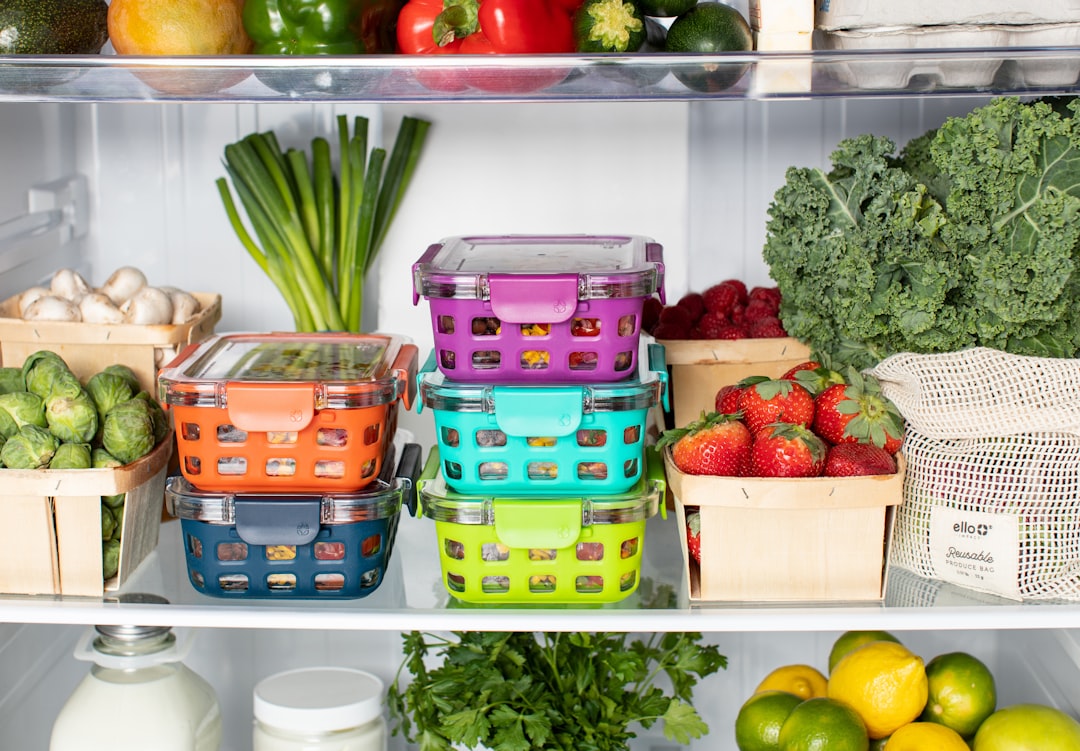
    Batch cooking vegetables for the week can save hours and reduce stress around mealtimes. Whether you’re juggling student budgets, cooking for a family, or managing meals alone, planning and preparation are key. This guide breaks down how to shop smart, cook efficiently, and store your vegetables properly to enjoy fresh, nutritious meals all week.

    Why Generic Meal Prep Advice Fails Most People

    Generic meal prep advice often overlooks individual circumstances, such as household size, budget, and dietary needs. The British Nutrition Foundation highlights that healthy eating varies significantly across life stages and personal situations, making one-size-fits-all meal prep plans ineffective for many.

    Many guides assume access to ample kitchen space, time, and storage, which isn't the case for students in shared accommodation or families with limited fridge space. Without addressing these constraints, meal prep can become a burden rather than a help.

    Additionally, generic advice frequently neglects the importance of variety to maintain interest and nutrition. Batch cooking only one type of vegetable repeatedly risks nutrient shortfall and boredom.

    In the UK, meal prep that incorporates diverse vegetables aligned with the NHS Eatwell Guide supports a balanced intake of vitamins and fibre, key to sustaining health. For more on meal prep UK, see our guide.

    Understanding your specific needs, whether cooking for one or many, and adapting batch cooking techniques accordingly, ensures better adherence and enjoyment.

    Budget Meal Prep for Your Situation: Student, Solo, or Family

    Budget meal prep starts with clear planning and shopping strategies tailored to your household. For students, Money Saving Expert recommends prioritising supermarket own-brand vegetables and seasonal offers from chains like Tesco and Aldi to stretch your budget.

    Step one: list your meals for the week focusing on versatile vegetables such as carrots, cabbage, and frozen peas that last longer and are affordable.

    Step two: plan a batch cooking session on a low-commitment day like Sunday afternoon, allocating 90 minutes to washing, chopping, steaming, and roasting.

    Solo cooks should scale portions to avoid waste, using airtight containers to preserve freshness and freezing extras where possible.

    Families can double or triple recipes but should rotate vegetable types to maintain interest and nutrients. Batch cooking also reduces last-minute takeaways, saving money and improving diet quality.

    Using local markets or supermarkets with loyalty card discounts increases savings. Batch cooking vegetables this way can cut weekly food costs by up to 30%.

    If you want to stop paying someone to tell you what to eat and start making your own plans, the Kira Mei Nutrition Blueprint is your answer. For just £49.99, this straightforward programme teaches you how to build personalised nutrition plans that fit your lifestyle and goals—no personal trainer required.

    The Shopping and Cooking Adjustments That Actually Make a Difference

    The three common mistakes that reduce batch cooking success are overbuying perishable items, underestimating storage space, and ignoring cooking methods that preserve nutrients.

    Overbuying leads to vegetables spoiling before use, increasing waste and expense. Planning meals precisely and buying slightly less than you think you need helps avoid this.

    Underestimating storage space causes frustration and forces hurried consumption or disposal. Check your fridge and freezer capacity beforehand and use stackable containers to maximise space.

    Cooking methods matter: steaming and roasting preserve more vitamins than boiling. The NHS Eatwell Guide recommends steaming vegetables to retain nutrients and flavour.

    Adjusting recipes to include sturdy vegetables like carrots and parsnips alongside softer ones ensures some components last longer. Also, chopping vegetables into uniform sizes reduces cooking time and improves consistency.

    Finally, invest in quality reusable containers with airtight seals to keep vegetables fresher for longer, supporting food safety as per NHS guidelines.

    Scaling Up or Down Without Wasting Food or Money

    More is not always better. Scaling batch cooking up or down requires careful portioning and storage planning to avoid waste and overspending.

    Research shows that UK households throw away around 4.5 million tonnes of food annually, much due to poor batch cooking practices.

    Start by calculating portion sizes per person, then multiply by the number of days you plan to cover. For smaller households, freezing half portions immediately after cooking can extend usability.

    The NHS recommends storing cooked vegetables in the fridge for no longer than 3–4 days, so freezing is essential for longer-term batch cooking.

    Using vacuum-seal bags for freezing can extend shelf life up to several months, reducing spoilage.

    Scaling down to cook just enough for one week also helps manage budget and fridge space efficiently, reducing impulse purchases.

    Stop paying someone else to do your meal planning. The Kira Mei Nutrition Blueprint (£49.99) empowers you to create your own nutrition plans that work for you, ditching the personal trainer nonsense.

    A Week of Meals Tailored to Your Household Size

    Begin your week by preparing a variety of vegetables suited to your household size. For one or two people, cook three to four different vegetables in batch portions of 150g per meal, storing some in the freezer.

    For families, prepare larger batches of mixed vegetables such as carrots, broccoli, and green beans, portioned into containers holding 200g to 250g per serving.

    Schedule your cooking day midweek or weekend, so vegetables stay fresh, matching NHS food safety advice.

    Include raw options like salad leaves for variety and easy additions to meals.

    Reheat vegetables gently to preserve texture and nutrients. Learn more about the Kira Mei Nutrition Blueprint and how it can help you take control of your nutrition.

    Frequently Asked Questions

    How do I batch cook vegetables for the week in the UK?

    Batch cooking vegetables for the week in the UK involves selecting durable vegetables, washing and chopping them in one session, then cooking by steaming, roasting, or boiling. Store cooked vegetables in airtight containers in the fridge for up to 3–4 days or freeze portions to extend freshness according to NHS food safety guidelines.

    What vegetables are best for batch cooking in the UK?

    The best vegetables for batch cooking in the UK include carrots, cabbage, broccoli, parsnips, and frozen peas. These vegetables are affordable, widely available year-round, and retain texture and nutrients well when batch cooked and stored.

    How can I prevent waste when batch cooking vegetables?

    Prevent waste by accurately planning portion sizes based on household needs, storing vegetables properly using airtight containers, and freezing surplus portions within 3–4 days as recommended by the NHS. This reduces spoilage and saves money.

    Is batch cooking vegetables healthy for UK diets?

    Yes, batch cooking vegetables supports healthy UK diets by increasing vegetable intake aligned with the NHS Eatwell Guide. It ensures consistent consumption of fibre, vitamins, and minerals throughout the week, particularly when varied vegetables are used.

    How long do batch cooked vegetables last in the fridge?

    Batch cooked vegetables last up to 3–4 days in the fridge when stored in airtight containers at the correct temperature, as advised by NHS food safety guidelines. Freezing vegetables extends their shelf life for several months.

    Stop paying someone else to plan your meals. Get the Kira Mei Nutrition Blueprint for £49.99 and learn to build your own nutrition plans that actually work.

    Disclaimer: This article is for informational purposes only and does not constitute medical, nutritional, or professional fitness advice. Always consult a qualified healthcare professional before making changes to your diet or exercise routine.

  • How to Batch Cook Eggs UK Different Ways: Beginner’s Guide

    How to Batch Cook Eggs UK Different Ways: Beginner’s Guide

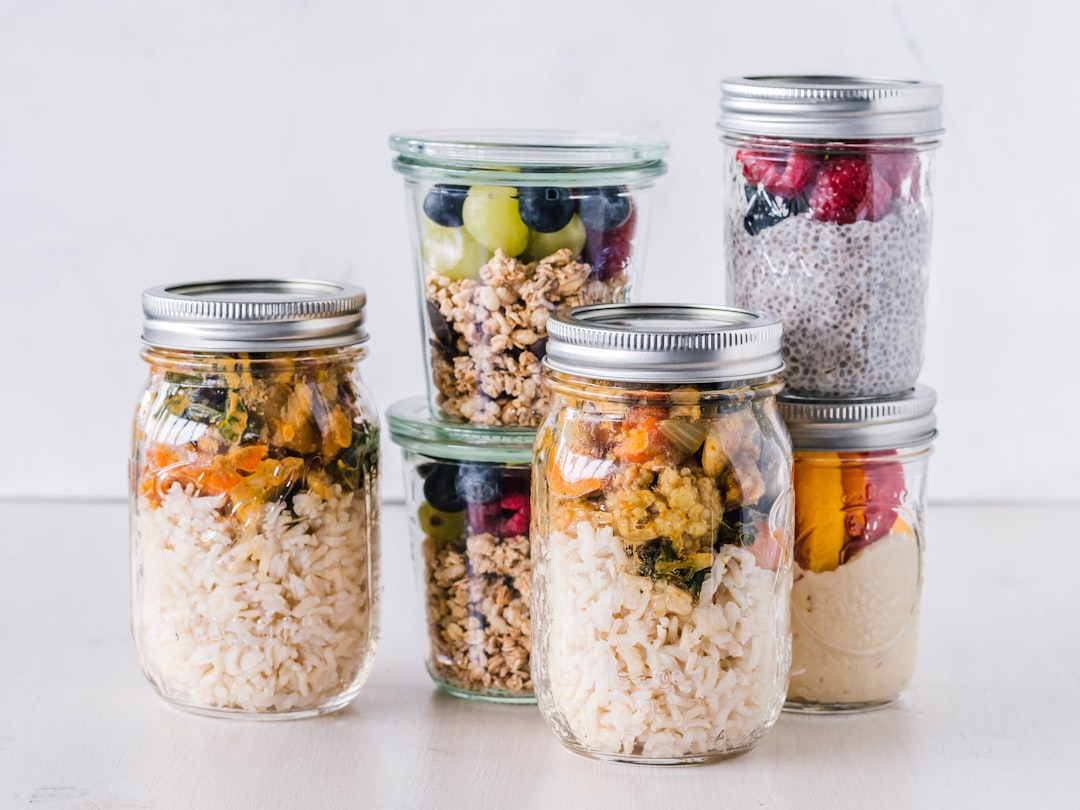
    Batch cooking eggs is an efficient way to save time and reduce food waste in the UK. With household food waste costing the average family over £700 a year, optimising egg preparation can cut costs and improve meal variety. This guide covers several batch cooking techniques, storage advice, and meal planning systems to make the most of eggs while keeping your kitchen organised and sustainable.

    How Much Food UK Households Waste (And What It's Costing You)

    Food waste is the disposal of edible food, with UK households throwing away approximately 4.5 million tonnes of food annually, costing around £700 per family each year. Eggs contribute significantly to this waste due to spoilage and improper storage. According to the Money Saving Expert food waste guide, reducing waste by batch cooking eggs can save hundreds of pounds annually by using leftovers effectively and preventing early spoilage. The average egg lasts about 3–5 weeks in the fridge when stored correctly, but many are discarded prematurely, inflating costs and environmental impact.

    Food waste impacts the UK economy and environment drastically. Avoiding it requires systematic planning of shopping, cooking, and storage to keep food edible longer. Eggs, being a high-protein staple, offer an excellent opportunity to reduce waste, save money, and improve meal prep efficiency. For more on meal prep UK, see our guide.

    The Shopping Habits That Create Waste Without You Noticing

    Food waste often stems from unconscious shopping habits. In the UK, supermarkets like Tesco and Sainsbury’s frequently promote multi-buy deals that encourage over-purchasing eggs, leading to spoilage before use. Avoiding this requires a deliberate shopping system: plan weekly menus with exact egg quantities, check fridge stock before buying, and purchase eggs in smaller quantities more frequently.

    A practical system involves listing meals requiring eggs, calculating total eggs needed, and only buying that number. Buy loose eggs rather than pre-packed when possible, as this allows better portion control. Store eggs in the main fridge compartment rather than the door to maintain consistent temperature and extend shelf life, following NHS food safety and storage guidelines.

    Combining shopping with batch cooking allows you to match egg quantities to meal plans, minimising waste and maximising freshness. Consistent review of stock before shopping trips avoids impulse purchases, cutting down the volume of eggs that go unused.

    If you’re fed up with paying personal trainers to tell you what to eat, it’s time to stop. Our Kira Mei Nutrition Blueprint teaches you how to build your own nutrition plans that actually work for your lifestyle — no fluff, no guesswork, and no overpriced PT programmes. For just £49.99, you’ll get a straightforward, opinionated blueprint that helps you realise what your body really needs without paying someone else to do it for you.

    How to Plan Meals That Use Every Ingredient You Buy

    The three main meal planning mistakes that increase waste are: buying ingredients without planned recipes, failing to overlap ingredients across meals, and neglecting to track leftovers. Each leads to food spoiling before use and unnecessary expense.

    Planning meals that use eggs in multiple forms—boiled for snacks, scrambled for breakfast, baked in frittatas—ensures each egg purchased contributes to several dishes. By incorporating ingredients like spinach, peppers, or cheese into varied meals, you reduce the risk of any item going to waste.

    Track leftovers by noting what remains after each meal and incorporating it into next day’s plan. For example, boiled eggs can be sliced into salads or sandwiches, while scrambled eggs can be frozen in portions for future use. This system ensures all ingredients bought are consumed efficiently.

    Storage and Freezing: The System That Doubles Your Food's Lifespan

    Contrary to common belief, freezing cooked eggs can double their usable lifespan without compromising safety or nutrition. According to NHS food safety and storage advice, boiled eggs can be refrigerated for up to one week, while scrambled or baked eggs freeze well for up to three months if stored in airtight containers.

    Freezing eggs requires cooling them quickly after cooking and portioning to avoid waste. Label containers with dates to ensure rotation. Additionally, storing eggs in their original carton in the main fridge compartment maintains consistent temperature and prevents odour absorption.

    The British Nutrition Foundation highlights that proper storage and freezing practices are essential for sustainable eating, reducing food waste significantly by extending shelf life of perishables like eggs.

    Stop paying someone else to guess your nutrition. Take control with the Kira Mei Nutrition Blueprint for just £49.99. Learn how to build your own effective, no-nonsense nutrition plans that fit your life and goals. Visit kiramei.co.uk/nutrition to get started today.

    Your Zero-Waste Weekly Meal Plan

    Create a zero-waste weekly meal plan by setting a fixed day for batch cooking eggs, such as Sunday afternoon. Boil a dozen eggs, scramble a batch, and bake a frittata to cover all meal types. Portion and store cooked eggs in labelled containers in the fridge and freezer.

    Plan meals around these prepared eggs: boiled eggs for breakfast or snacks, scrambled eggs mixed with vegetables for lunch, and frittata slices for dinner. Use overlapping ingredients like spinach or peppers across dishes to reduce additional purchases.

    Review your fridge midweek to adjust plans based on remaining ingredients, ensuring nothing spoils. This system reduces waste, saves money, and streamlines cooking. Learn more about the Kira Mei Nutrition Blueprint and how it can help you get started.

    Frequently Asked Questions

    How long can you batch cook eggs and keep them in the fridge in the UK?

    Cooked eggs can be safely stored in the fridge for up to one week, according to NHS food safety and storage guidelines. Boiled eggs should remain in their shells to maintain freshness, while scrambled or baked eggs should be kept in airtight containers to prevent spoilage.

    What are the best methods to batch cook eggs for meal prep?

    The best batch cooking methods for eggs include boiling, scrambling, baking (such as frittatas), and poaching. These methods allow versatility in meals, easy portioning, and efficient storage in the fridge or freezer, extending eggs' usability over several days or weeks.

    Can you freeze cooked eggs in the UK and for how long?

    Cooked eggs like scrambled or baked eggs can be frozen safely for up to three months if stored in airtight containers, as advised by NHS food safety. Boiled eggs do not freeze well due to texture changes and are better consumed within a week refrigerated.

    How many eggs should I batch cook per week to reduce waste in a UK household?

    Batch cooking 6 to 12 eggs per week is practical for most UK households, matching typical meal plans without over-purchasing. Planning meals to use eggs in various forms helps ensure all eggs are consumed before spoilage, reducing waste and saving money.

    What storage practices help keep batch cooked eggs fresh longer in the UK?

    Store cooked eggs in airtight containers in the main fridge compartment, not the door, to maintain consistent temperature. Keep boiled eggs in their shells until use. Label containers with cooking dates and consume within one week refrigerated to ensure freshness and safety.

    Disclaimer: This article is for informational purposes only and does not constitute medical, nutritional, or professional fitness advice. Always consult a qualified healthcare professional before making changes to your diet or exercise routine.

  • Are Meal Prep Delivery Services Worth It UK: A Practical Guide for Beginners

    Are Meal Prep Delivery Services Worth It UK: A Practical Guide for Beginners

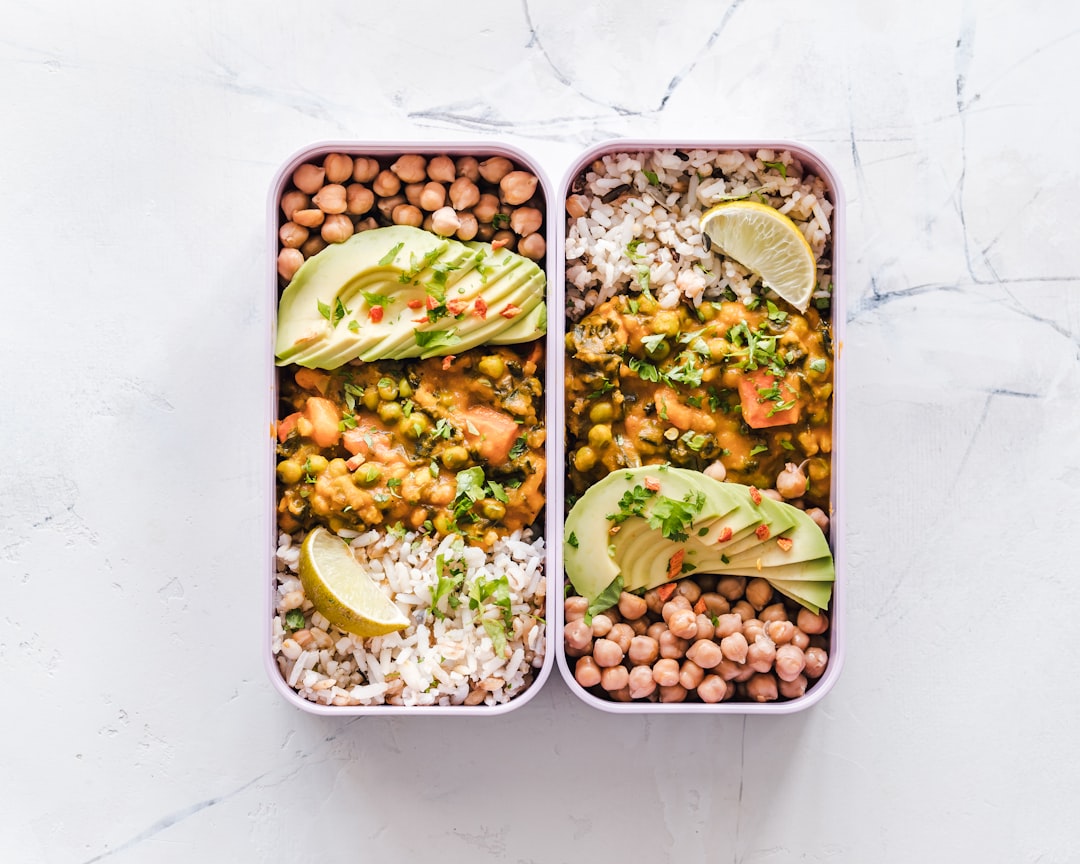
    Meal prep delivery services promise convenience and healthier eating but often come with a higher price tag that may not suit every budget. Many UK residents struggle to maintain their own meal prep routines beyond a few days, leading to wasted food and effort. This guide examines the true value of meal prep deliveries in the UK, addressing common pitfalls and offering practical strategies to help you find a sustainable, budget-friendly approach to nutrition and fitness. For more on meal prep UK, see our guide.

    Why Most Meal Prep Attempts Fail by Wednesday

    Meal prep is the planned preparation of meals in advance, intended to cover multiple days, commonly up to four or five. In the UK, the majority of meal prep plans collapse by Wednesday, often because food safety limits and taste fatigue reduce adherence. According to Money Saving Expert food waste advice, nearly one-third of UK households discard food due to improper storage or planning, contributing to wasted money and effort. Many preppers underestimate how quickly fresh ingredients deteriorate, especially proteins and leafy greens, which can become unsafe or unpalatable in just two to three days if not stored correctly. This results in abandoned meals and the temptation to revert to last-minute, less nutritious options.

    The Real Reasons Your Prep Doesn't Survive the Week

    The main culprit for midweek meal prep failure is misaligned timing and storage. UK food safety guidelines, such as those from the NHS food safety storage times, recommend cooked meals be consumed within 48 hours of refrigeration to avoid health risks. Many meal preppers pack their week’s meals all at once, creating a backlog of food that spoils before consumption. A better system involves prepping only two to three days’ worth at a time, with clear labelling and rotation. Another failure point is the lack of variation; eating the same meals repeatedly leads to boredom and abandonment. Incorporating diverse recipes sourced from UK supermarkets like Tesco or Sainsbury’s, which offer ready-to-cook options, can maintain interest. Finally, overambitious meal prep schedules clash with unpredictable work or social commitments, causing wasted food when plans change.

    Stop paying personal trainers or apps to tell you what to eat. Instead, get the Kira Mei Nutrition Blueprint — a no-nonsense educational programme that teaches you how to build your own nutrition plans tailored to your lifestyle and goals. For just £49.99, you’ll learn the principles behind effective meal planning without gimmicks or cookie-cutter diets. Realise that no one knows your body better than you do, and it’s time to take control. Get the blueprint here.

    The Fix: A More Realistic System for Imperfect Weeks

    Three mistakes frequently cause meal prep plans to fail: over-prepping, ignoring food safety, and inflexible scheduling. Over-prepping leads to food waste because most UK refrigerated meals should be eaten within 48 hours, per NHS food safety storage times. Ignoring this increases risk and reduces appetite for leftovers. Inflexible scheduling, such as prepping all meals on Sunday, does not accommodate changes in daily routines or unexpected events, resulting in uneaten food. Implementing a rolling prep system—preparing meals for two or three days, then reassessing—minimises waste and adapts to fluctuating schedules. Additionally, integrating quick, healthy options from local supermarkets or meal kit components can reduce the workload while maintaining nutrition and variety.

    How to Build Meal Prep Into Your Life, Not Around It

    A less obvious but crucial insight is that meal prep should fit your lifestyle, not displace it. The British Nutrition Foundation sustainable healthy eating emphasises flexibility and balance for long-term adherence. Trying to meal prep rigidly around a demanding workweek or social calendar often backfires. Instead, treat meal prep as one tool among many: combine fresh cooking on busier days with prepped meals when time is tight. Prioritise nutrient-dense, shelf-stable staples like frozen vegetables and canned pulses, which reduce spoilage risk and cooking time. This flexible approach aligns with the NHS Eatwell Guide principles, promoting a balanced intake of fruits, vegetables, protein, and whole grains without the stress of all-or-nothing prepping.

    Kira Mei helps you stay consistent — no spreadsheets, no guesswork.

    A Simpler Starting Point That Actually Sticks

    Start by prepping for just two days ahead. Choose meals with ingredients that store well, such as roasted root vegetables and grilled chicken, and label containers with dates. Set a weekly prep session on a consistent day—Wednesday or Thursday often works better than Sunday for many UK schedules. Keep at least one night free for spontaneous cooking or dining out to avoid monotony. Gradually increase prep days as confidence grows. This method reduces food waste and keeps meals fresh, making the system sustainable.

    Frequently Asked Questions

    Are meal prep delivery services cost-effective in the UK?

    Meal prep delivery services in the UK can be costlier than cooking from scratch but may save money by reducing food waste and impulse purchases. According to Money Saving Expert, careful planning and portion control typically save households up to 20% on food bills.

    How long can pre-prepared meals be safely stored in the fridge?

    Cooked meals should generally be consumed within 48 hours of refrigeration to ensure safety, as advised by NHS food safety storage times. Storing them longer increases the risk of spoilage and foodborne illness.

    Do meal prep delivery services reduce food waste?

    Meal prep delivery services can reduce food waste by providing pre-portioned ingredients, but this depends on user adherence to storage guidelines. The Money Saving Expert site reports UK households waste about one-third of food purchased due to poor planning.

    What are the main reasons meal prep plans fail in the UK?

    Meal prep plans commonly fail due to over-prepping, ignoring food safety limits, and scheduling inflexibility. These issues lead to food spoilage, boredom, and wasted effort, as outlined in NHS and Money Saving Expert guidelines.

    Can meal prep delivery services help with healthy eating in the UK?

    Meal prep delivery services can support healthier eating by offering balanced meals tailored to nutritional guidelines like those from the British Nutrition Foundation, promoting sustainable and varied diets.

    Stop paying for generic plans. Own your nutrition with the Kira Mei Nutrition Blueprint. Get it now for £49.99 and learn how to build your own effective meal plans without the faff.

    Disclaimer: This article is for informational purposes only and does not constitute medical, nutritional, or professional fitness advice. Always consult a qualified healthcare professional before making changes to your diet or exercise routine.

  • How to Cut Grocery Costs UK by 50 Percent with Budget Meal Prep

    How to Cut Grocery Costs UK by 50 Percent with Budget Meal Prep

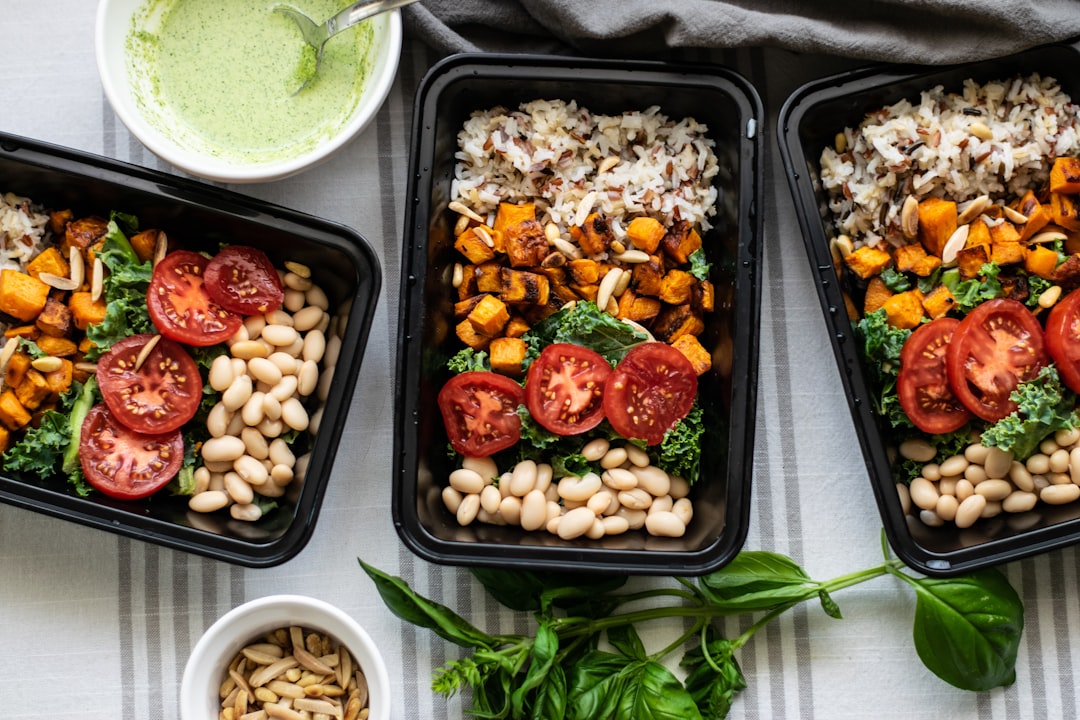
    Cutting grocery costs in the UK by half is achievable through strategic shopping, meal planning, and choosing the right supermarket brands. Many shoppers overspend due to lack of planning and impulse buys. By focusing on affordable staples like Aldi Everyday Essentials Greek Yoghurt or Lidl frozen chicken thighs and creating a detailed weekly meal plan, shoppers can save significantly. Understanding product prices, portion sizes, and storage can reduce waste and expenses. This guide breaks down a practical, cost-effective approach to grocery shopping that suits UK budgets without sacrificing nutrition or taste. For more on meal prep UK, see our guide.

    Why This Supermarket Is One of the Best for Budget Meal Prep

    Aldi is a discount supermarket chain in the UK known for low prices and quality essentials. It offers staple items like Aldi Everyday Essentials Greek Yoghurt priced at around 89p for 500g, significantly undercutting major supermarket brands. Aldi's focus on private label products reduces costs, making it a top choice for shoppers aiming to halve their food bills. According to Money Saving Expert, Aldi consistently ranks among the best supermarkets for cheap food shopping due to its efficient supply chain and limited product range, which keeps prices low. The store's weekly Special Buys and regular price cuts on items like frozen chicken thighs (£2.50 for 1kg) also help reduce overall grocery expenses. Aldi's no-frills shopping environment encourages buying only what is needed, which cuts impulse purchases and food waste, essential factors when targeting a 50 percent cut in grocery spending.

    The Exact Products to Buy and What They Cost

    To cut grocery costs by 50 percent, focus on buying affordable, nutritious products from Aldi and Lidl. Start with protein sources like Lidl frozen chicken thighs at £2.30 per kg and Aldi Everyday Essentials eggs at £1.29 for 12. For carbohydrates, bulk-buy basics such as Tesco Everyday Value pasta at 35p per 500g and Aldi’s long grain rice at £1.09 per kg. Incorporate frozen vegetables like Lidl’s mixed vegetables at £1.00 per 1kg bag, which retain nutrients and reduce waste. Dairy options like Aldi Everyday Essentials Greek Yoghurt at 89p per 500g provide protein and probiotics at a low cost. Buy canned goods such as baked beans or chickpeas from discount ranges, costing around 30p each, for fibre and shelf stability. Plan meals that reuse ingredients to avoid buying multiple items; for instance, use chicken thighs for a roast dinner and then shred leftovers for a curry or salad. This system requires shopping once a week, allocating about £25–£30 per person, and preparing meals that keep well for 2–3 days, reducing the need for costly convenience foods.

    If you want to stop paying personal trainers and cookie-cutter apps to tell you what to eat, get the Kira Mei Nutrition Blueprint. For just £49.99, this no-nonsense programme teaches you how to build your own nutrition plans tailored to your needs and preferences — no fluff, no guesswork, no expensive subscriptions. Realise your potential and take control of your diet today.

    How to Build a Full Week of Meals From One Shop

    The three mistakes that inflate weekly food costs are overbuying perishables leading to waste, relying on expensive ready meals, and neglecting batch cooking. Overbuying fresh produce often results in spoilage; for example, buying multiple fresh salads that wilt before consumption increases waste and costs. Ready meals from major supermarkets can cost over £3 each, while homemade meals using budget ingredients average under £1.50 per portion. Neglecting batch cooking means missing out on economies of scale, as cooking once and eating multiple times reduces cooking fuel and ingredient waste. Instead, plan meals like a bulk chicken and vegetable stew that can be portioned for three days, followed by a pasta bake using leftover sauce. This approach saves time and money. Use airtight containers to store meals safely up to 3 days, following NHS food safety storage guidelines to prevent spoilage and foodborne illness.

    Common Mistakes That Inflate Your Food Bill

    Contrary to popular belief, buying in bulk does not always save money if items spoil before use. According to the NHS Eatwell Guide, fresh fruit and vegetables should be consumed within recommended timeframes to avoid waste. Shoppers often overspend by purchasing premium branded products when supermarket own-brand equivalents provide nearly identical nutritional values at lower prices. Another costly error is ignoring seasonal produce; buying out-of-season fruits like strawberries in winter can double the price compared to summer months. Not using shopping lists leads to impulse buys, which Money Saving Expert reports as a major contributor to inflated supermarket bills. Finally, failing to compare unit prices across brands causes missed savings. Checking prices per 100g or litre ensures the best value. Practising these habits can reduce grocery spending by up to 50 percent while maintaining a balanced diet.

    Kira Mei helps you stay consistent — no spreadsheets, no guesswork.

    Your Complete Weekly Meal Plan Using Only This Supermarket

    Start your week by purchasing essentials from Aldi: chicken thighs (£2.50/kg), eggs (£1.29/12), long grain rice (£1.09/kg), frozen mixed vegetables (£1.00/1kg), and Aldi Everyday Essentials Greek Yoghurt (89p/500g). Day 1: Roast chicken thighs with rice and steamed mixed vegetables. Day 2: Chicken and vegetable curry using leftover chicken with canned chickpeas (30p) and rice. Day 3: Omelette with frozen mixed vegetables and a side of baked beans. Day 4: Pasta with homemade tomato sauce using canned tomatoes (45p) and herbs. Day 5: Stir-fry with eggs, leftover vegetables, and rice. Day 6: Greek yoghurt with oats (35p/500g) and fresh fruit. Day 7: Leftover stew or curry reheated. Prepare meals in bulk, storing portions in airtight containers following NHS food safety storage advice. Shop once a week, spending about £25–£30, cutting costs by 50 percent.

    Frequently Asked Questions

    How can I cut my grocery costs in the UK by 50 percent quickly?

    You can cut grocery costs in the UK by 50 percent quickly by shopping at discount supermarkets like Aldi and Lidl, focusing on own-brand staples such as Aldi Everyday Essentials Greek Yoghurt (89p/500g) and Lidl frozen chicken thighs (£2.30/kg). Plan meals around batch cooking and avoid impulse buys by using a strict shopping list, reducing waste and unnecessary spending.

    What are the cheapest supermarkets for cutting grocery bills in the UK?

    Aldi and Lidl are the cheapest supermarkets in the UK for cutting grocery bills, offering low-cost essentials and regularly discounted products. Money Saving Expert rates Aldi highly for budget food shopping, with products like frozen vegetables around £1 per kilo and discount meat cuts priced significantly below major supermarkets.

    Which products should I buy to halve my grocery spending in the UK?

    To halve grocery spending in the UK, buy budget staples such as Aldi Everyday Essentials eggs (£1.29/12), Tesco Everyday Value pasta (35p/500g), Lidl frozen mixed vegetables (£1/1kg), and canned chickpeas (30p each). These versatile ingredients support nutritious, low-cost meals and reduce the need for expensive ready meals.

    How can meal planning help reduce grocery costs by 50 percent in the UK?

    Meal planning helps reduce grocery costs by 50 percent by preventing overbuying and food waste, enabling batch cooking, and ensuring all ingredients are used efficiently. Using leftovers in multiple meals and shopping once weekly maximises value and keeps spending under £30 per person weekly.

    What common mistakes increase grocery bills in the UK despite budget shopping?

    Common mistakes that increase grocery bills include buying premium branded products instead of own-brands, neglecting seasonal produce which raises costs, purchasing in bulk without storage plans leading to spoilage, and failing to use shopping lists which causes impulse buys. These errors prevent achieving a 50 percent cost reduction.

    Stop paying someone else to tell you what to eat. Get the Kira Mei Nutrition Blueprint for £49.99 and learn how to build your own personalised nutrition plans that actually work for you. No subscriptions, no nonsense, just results.

    Disclaimer: This article is for informational purposes only and does not constitute medical, nutritional, or professional fitness advice. Always consult a qualified healthcare professional before making changes to your diet or exercise routine.


  • How to Track Food Spending UK: Practical Tips for Beginners

    How to Track Food Spending UK: Practical Tips for Beginners

    Tracking food spending in the UK can feel overwhelming, especially with fluctuating prices and diverse household needs. Whether you’re managing a student budget, feeding a family, or cooking for one, understanding your food costs helps stretch each penny further. This guide breaks down practical methods to monitor your food expenses, avoid waste, and plan meals smartly. It covers realistic steps that fit your weekly routine and works around common challenges like limited time or picky eaters. For more on meal prep UK, see our guide.

    Why Generic Meal Prep Advice Fails Most People

    Generic meal prep advice often overlooks individual circumstances, making it less practical for many. Meal prep is the practice of preparing meals or ingredients in advance to save time and money. However, advice that assumes uniform preferences, household sizes, or schedules frequently misses key challenges faced by UK households. For example, the British Nutrition Foundation emphasises that nutritional needs shift through life stages, meaning a one-size-fits-all approach can cause waste or inadequate diets. Similarly, advice ignoring financial constraints like fluctuating income or the cost pressures during student loan weeks tends to be impractical. Without adapting meal prep to personal routines and budgets, people may end up discarding unused food or spending more than intended, defeating the purpose of meal planning.

    Budget Meal Prep for Your Situation: Student, Solo, or Family

    Budget meal prep in the UK requires a tailored system depending on your household. For students, focusing on bulk cooking once or twice a week with inexpensive staples from supermarkets like Aldi or Lidl can reduce costs. Using a meal plan that includes affordable protein sources such as beans and frozen vegetables keeps nutrition balanced. Solo diners benefit from batch cooking small portions and freezing extras to avoid food waste, while family meal prep should centre on recipes that scale easily and include child-friendly options. Money Saving Expert’s guide to cheap supermarket food highlights that planning shopping trips around special offers and discount days can save significant amounts. Tracking spending weekly and comparing it with your meal plan helps adjust quantities and ingredients, ensuring food lasts without overspending.

    Stop paying someone else to tell you what to eat. For £49.99, the Kira Mei Nutrition Blueprint teaches you how to build your own personalised nutrition programme that fits your lifestyle and goals — no gimmicks, no trainers, just real, practical knowledge. Grab it now at https://www.kiramei.co.uk/nutrition.

    The Shopping and Cooking Adjustments That Actually Make a Difference

    The three mistakes that inflate food spending are poor planning, impulse buying, and inefficient storage. Poor planning leads to buying items not needed, which often go unused or spoil. Impulse buying at checkout or mid-shop causes unplanned expenses that add up quickly. Inefficient storage results in food waste; the NHS food safety storage guidelines stress that improper refrigeration or freezing shortens shelf life. These mistakes result in both financial loss and nutritional gaps. Avoiding them by preparing shopping lists based on planned meals, sticking to them, and learning correct storage techniques reduces waste and tracks spending more accurately.

    Scaling Up or Down Without Wasting Food or Money

    Adjusting meal prep for household size is best done by scaling recipes proportionally and using portion control techniques. Contrary to the belief that bulk buying always saves money, the NHS Eatwell Guide notes that buying excessive food can lead to increased waste if portions don’t match consumption. For example, cooking large meals for one can cause spoilage, while in families, underestimating amounts leads to frequent extra shopping trips. Using tools like kitchen scales and meal planners helps match portions to need, avoiding both food wastage and over-expenditure. Regularly reviewing spending against actual consumption can reveal opportunities to tweak your food budget efficiently.

    Stop paying someone else to tell you what to eat. For £49.99, the Kira Mei Nutrition Blueprint teaches you how to build your own personalised nutrition programme that fits your lifestyle and goals — no gimmicks, no trainers, just real, practical knowledge. Grab it now at https://www.kiramei.co.uk/nutrition.

    A Week of Meals Tailored to Your Household Size

    Plan your week by setting a shopping day and cooking session aligned with your household’s needs. For students, prepare three main meals with leftovers for snacks. Solo diners might batch cook two meals and freeze portions for later. Families should create menus that cater to all members’ preferences yet overlap ingredients to reduce costs. Include budget-friendly staples like oats, potatoes, and seasonal vegetables. Track all spending in a simple notebook or spreadsheet each shopping day to compare against your budget. Adjust quantities after the first week to better fit your household’s appetite and waste levels.

    Frequently Asked Questions

    How can I easily track my food spending in the UK?

    You can track food spending in the UK by keeping a detailed log of all grocery receipts or using budgeting tools to record purchases. Reviewing this weekly helps identify overspending and adjust your shopping habits accordingly. The Money Saving Expert website provides useful tips on monitoring and reducing food costs effectively.

    What are the best tools to track food spending for students in the UK?

    Students in the UK benefit from simple spreadsheet templates or free budget apps tailored for food expenses. Tracking purchases alongside meal planning reduces waste. Websites like Money Saving Expert offer student-specific budgeting advice that aligns with typical income and food costs.

    How often should I review my food spending to stay on budget?

    Reviewing food spending weekly is recommended to stay on budget and adjust meal plans. This frequency allows timely changes to shopping habits and prevents overspending. The NHS Eatwell Guide suggests regular monitoring supports both health and financial goals.

    Can meal planning help reduce food spending in UK households?

    Meal planning can cut food spending by up to 20% by preventing impulse buys and reducing waste. Tailoring plans to your household size and preferences ensures you buy only what you need. The British Nutrition Foundation highlights that appropriate meal planning supports both nutrition and budget management.

    What are common mistakes that increase food spending in the UK?

    Common mistakes include poor meal planning, impulse buying, and improper food storage. These lead to food waste and overspending. The NHS food safety storage guidelines show that correct storage can extend shelf life and reduce costs.

    Stop paying someone else to tell you what to eat. For £49.99, the Kira Mei Nutrition Blueprint teaches you how to build your own personalised nutrition programme that fits your lifestyle and goals — no gimmicks, no trainers, just real, practical knowledge. Grab it now at https://www.kiramei.co.uk/nutrition.

    Disclaimer: This article is for informational purposes only and does not constitute medical, nutritional, or professional fitness advice. Always consult a qualified healthcare professional before making changes to your diet or exercise routine.


  • Budget Grocery Shopping List UK for Healthy Eating Made Simple

    Budget Grocery Shopping List UK for Healthy Eating Made Simple

    Creating a budget grocery shopping list for healthy eating in the UK can be challenging, especially when previous meal prep attempts have fallen short by midweek. This guide breaks down why meal prep often fails and offers a straightforward system designed to fit into busy lifestyles. By organising your shopping, storage, and cooking strategies, you can maintain nutritious meals without overspending or wasting food. Learn how to shop smartly, store safely, and prepare meals that last throughout the week.

    Why Most Meal Prep Attempts Fail by Wednesday

    Meal prep is preparing several meals in advance to save time and money, but 70% of people who try it abandon the plan by midweek. One main reason is food spoilage; fresh ingredients often deteriorate before consumption. According to Money Saving Expert food waste advice, a significant portion of household food waste arises from buying too much or misjudging quantities.

    Overestimating appetite or cooking complex meals that don’t store well also contribute. Many meals lose texture or flavour when reheated multiple times, reducing enjoyment and motivation. Additionally, failing to plan for variety leads to boredom, which can prompt abandoning the plan.

    Another factor is poor storage knowledge. Without understanding safe storage durations, food can become unsafe or unappetising. These issues often cause meal prep plans to collapse early, leading to last-minute unhealthy choices or food waste. For more on meal prep UK, see our guide.

    The Real Reasons Your Prep Doesn't Survive the Week

    The common claim is meal prep fails due to lack of time, but the precise causes are poor timing, unsuitable recipes, and inadequate storage. Creating a system that addresses these can improve success.

    Start by shopping at supermarkets known for affordable healthy options such as Aldi, Lidl, or Tesco. Choose recipes with ingredients that can last 3–5 days refrigerated or longer if frozen. Limit fresh herbs and delicate vegetables that perish quickly.

    Cook in batches but split meals into portions immediately using airtight containers designed for freezing. Label containers with cooking dates to track freshness. According to NHS food safety storage times, cooked meat and fish can be stored in the fridge for up to two days and frozen safely for up to three months.

    Schedule cooking days midweek and weekends to replenish supplies. This avoids running out of fresh meals before the week ends. Include quick-cook staples like frozen vegetables and canned legumes to add variety without prep time.

    Planning leftovers into new meals reduces monotony and food waste. For example, roasted vegetables can be added to soups or wraps. This system requires realistic portioning and regular shopping trips to maintain freshness and budget.

    The three mistakes that cause meal prep failures are overplanning, ignoring storage limits, and underestimating daily life variability. Overplanning leads to cooking excess meals that spoil before consumption. Ignoring storage guidelines risks food safety and quality, causing waste. Underestimating life variability means not accounting for days when plans change, hunger fluctuates, or social events occur.

    By planning for 3–4 days instead of a full week, you reduce spoilage risk. Use freezing strategically and understand that some meals are better fresh. According to NHS food safety storage times, freezing extends life but reheating cycles should be limited.

    Flexibility is key. Prepare adaptable meals that can serve as lunch or dinner, and have quick alternatives on hand for unpredictable days. Bulk cooking base components like grains or beans allows assembling different meals quickly.

    Avoid rigid schedules; build in midweek shopping or cooking sessions. This realistic approach matches typical UK lifestyles and reduces frustration, helping meal prep become sustainable rather than a burden.

    How to Build Meal Prep Into Your Life, Not Around It

    A less obvious insight is that meal prep succeeds best when integrated into daily habits rather than imposed as a separate task. The British Nutrition Foundation sustainable healthy eating notes that sustainable diets focus on balance and flexibility, not strict rules.

    Incorporate shopping and cooking into your regular weekly routine. Use online grocery services or local markets to source affordable fresh produce. Schedule meal prep during low-stress periods, such as weekends or evenings when energy allows.

    Combine meal prep with other chores to save time, e.g. cooking while doing laundry. Make meals simple and enjoyable rather than complex projects. Aim for variety within a limited ingredient list to prevent boredom.

    Portion control and correct storage according to NHS guidelines enable meals to stay safe and tasty. Pick recipes that use overlapping ingredients to minimise waste and maximise value.

    By aligning meal prep with your lifestyle and food preferences, it becomes a manageable system rather than a disruptive task.

    A Simpler Starting Point That Actually Sticks

    Start by selecting 5–7 core ingredients that are affordable, nutritious, and easy to prepare. Examples are oats, eggs, canned tomatoes, frozen mixed vegetables, brown rice, lentils, and apples.

    Plan three meals a day using these ingredients in different combinations. Shop twice a week to keep fresh items replenished and frozen items stocked. Use airtight containers labelled with dates for leftovers.

    Cook grains and proteins in bulk, then portion. Prepare simple salads or steamed vegetables fresh. Limit recipes to those that can be stored safely for at least 3 days.

    Set reminders for midweek shopping and cooking sessions to adjust based on appetite and plans. This incremental approach builds consistency. Learn more about the Kira Mei full-stack educational blueprint — stop paying someone to tell you what to do and learn to build your own plans for just £49.99 or £79.99 for the full bundle.

    Frequently Asked Questions

    What is a budget grocery shopping list UK for healthy eating?

    A budget grocery shopping list UK for healthy eating includes affordable, nutritious staples such as oats, eggs, frozen vegetables, canned beans, and whole grains. It focuses on versatile ingredients that can be used across multiple meals while minimising waste and cost, suitable for UK supermarkets and incorporating seasonal produce.

    How can I reduce food waste when shopping on a budget in the UK?

    To reduce food waste on a budget in the UK, plan meals realistically, buy only what you need, use leftovers creatively, and store food correctly according to NHS food safety storage times. Following advice from Money Saving Expert food waste advice can also help minimise waste and save money.

    Which UK supermarkets offer the best value for healthy meal prep?

    Supermarkets like Aldi, Lidl, and Tesco are known for offering affordable, healthy ingredients suitable for meal prep. They provide competitive prices on fresh, frozen, and canned goods, making it easier to stick to a budget grocery shopping list UK for healthy eating.

    How long can I safely store meal prepped food in the fridge or freezer?

    According to NHS food safety storage times, cooked meat and fish can be stored in the fridge for up to two days and frozen safely for up to three months. Proper labelling and airtight containers help maintain freshness and safety.

    What are quick and healthy staple foods to include in a UK budget shopping list?

    Quick, healthy staples for a UK budget shopping list include oats, eggs, canned tomatoes, frozen mixed vegetables, brown rice, lentils, and seasonal fruits. These items are affordable, nutritious, and versatile for meal prep, covering essential food groups as recommended by the NHS Eatwell Guide.

    Disclaimer: This article is for informational purposes only and does not constitute medical, nutritional, or professional fitness advice. Always consult a qualified healthcare professional before making changes to your diet or exercise routine.