
Kira Mei is a certified personal trainer and nutrition coach specialising in fitness and nutrition for UK adults over 40. She makes healthy eating genuinely affordable — real food, real budgets, no compromise on results.
Cutting grocery costs in the UK by half is achievable through strategic shopping, meal planning, and choosing the right supermarket brands. Many shoppers overspend due to lack of planning and impulse buys. By focusing on affordable staples like Aldi Everyday Essentials Greek Yoghurt or Lidl frozen chicken thighs and creating a detailed weekly meal plan, shoppers can save significantly. Understanding product prices, portion sizes, and storage can reduce waste and expenses. This guide breaks down a practical, cost-effective approach to grocery shopping that suits UK budgets without sacrificing nutrition or taste. For more on meal prep UK, see our guide.
Why This Supermarket Is One of the Best for Budget Meal Prep
Aldi is a discount supermarket chain in the UK known for low prices and quality essentials. It offers staple items like Aldi Everyday Essentials Greek Yoghurt priced at around 89p for 500g, significantly undercutting major supermarket brands. Aldi's focus on private label products reduces costs, making it a top choice for shoppers aiming to halve their food bills. According to Money Saving Expert, Aldi consistently ranks among the best supermarkets for cheap food shopping due to its efficient supply chain and limited product range, which keeps prices low. The store's weekly Special Buys and regular price cuts on items like frozen chicken thighs (£2.50 for 1kg) also help reduce overall grocery expenses. Aldi's no-frills shopping environment encourages buying only what is needed, which cuts impulse purchases and food waste, essential factors when targeting a 50 percent cut in grocery spending.
The Exact Products to Buy and What They Cost
To cut grocery costs by 50 percent, focus on buying affordable, nutritious products from Aldi and Lidl. Start with protein sources like Lidl frozen chicken thighs at £2.30 per kg and Aldi Everyday Essentials eggs at £1.29 for 12. For carbohydrates, bulk-buy basics such as Tesco Everyday Value pasta at 35p per 500g and Aldi’s long grain rice at £1.09 per kg. Incorporate frozen vegetables like Lidl’s mixed vegetables at £1.00 per 1kg bag, which retain nutrients and reduce waste. Dairy options like Aldi Everyday Essentials Greek Yoghurt at 89p per 500g provide protein and probiotics at a low cost. Buy canned goods such as baked beans or chickpeas from discount ranges, costing around 30p each, for fibre and shelf stability. Plan meals that reuse ingredients to avoid buying multiple items; for instance, use chicken thighs for a roast dinner and then shred leftovers for a curry or salad. This system requires shopping once a week, allocating about £25–£30 per person, and preparing meals that keep well for 2–3 days, reducing the need for costly convenience foods.
If you want to stop paying personal trainers and cookie-cutter apps to tell you what to eat, get the Kira Mei Nutrition Blueprint. For just £49.99, this no-nonsense programme teaches you how to build your own nutrition plans tailored to your needs and preferences — no fluff, no guesswork, no expensive subscriptions. Realise your potential and take control of your diet today.
How to Build a Full Week of Meals From One Shop
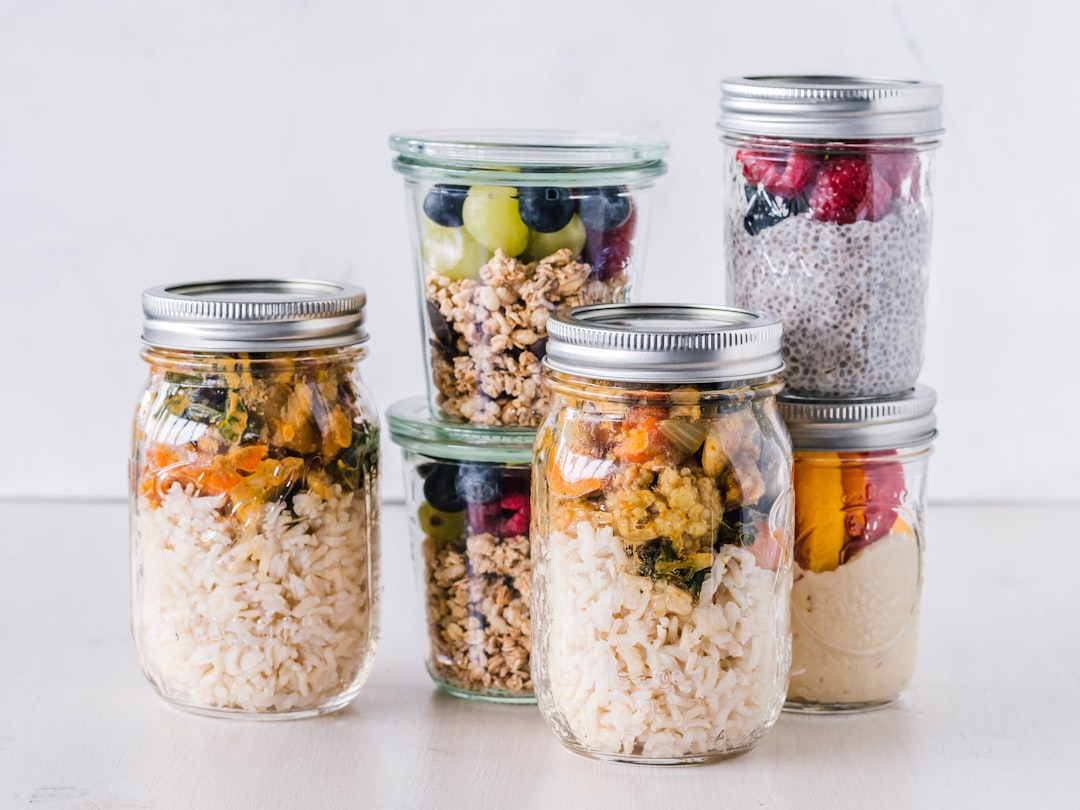
The three mistakes that inflate weekly food costs are overbuying perishables leading to waste, relying on expensive ready meals, and neglecting batch cooking. Overbuying fresh produce often results in spoilage; for example, buying multiple fresh salads that wilt before consumption increases waste and costs. Ready meals from major supermarkets can cost over £3 each, while homemade meals using budget ingredients average under £1.50 per portion. Neglecting batch cooking means missing out on economies of scale, as cooking once and eating multiple times reduces cooking fuel and ingredient waste. Instead, plan meals like a bulk chicken and vegetable stew that can be portioned for three days, followed by a pasta bake using leftover sauce. This approach saves time and money. Use airtight containers to store meals safely up to 3 days, following NHS food safety storage guidelines to prevent spoilage and foodborne illness.
Common Mistakes That Inflate Your Food Bill
Contrary to popular belief, buying in bulk does not always save money if items spoil before use. According to the NHS Eatwell Guide, fresh fruit and vegetables should be consumed within recommended timeframes to avoid waste. Shoppers often overspend by purchasing premium branded products when supermarket own-brand equivalents provide nearly identical nutritional values at lower prices. Another costly error is ignoring seasonal produce; buying out-of-season fruits like strawberries in winter can double the price compared to summer months. Not using shopping lists leads to impulse buys, which Money Saving Expert reports as a major contributor to inflated supermarket bills. Finally, failing to compare unit prices across brands causes missed savings. Checking prices per 100g or litre ensures the best value. Practising these habits can reduce grocery spending by up to 50 percent while maintaining a balanced diet.
Kira Mei helps you stay consistent — no spreadsheets, no guesswork.
Your Complete Weekly Meal Plan Using Only This Supermarket
Start your week by purchasing essentials from Aldi: chicken thighs (£2.50/kg), eggs (£1.29/12), long grain rice (£1.09/kg), frozen mixed vegetables (£1.00/1kg), and Aldi Everyday Essentials Greek Yoghurt (89p/500g). Day 1: Roast chicken thighs with rice and steamed mixed vegetables. Day 2: Chicken and vegetable curry using leftover chicken with canned chickpeas (30p) and rice. Day 3: Omelette with frozen mixed vegetables and a side of baked beans. Day 4: Pasta with homemade tomato sauce using canned tomatoes (45p) and herbs. Day 5: Stir-fry with eggs, leftover vegetables, and rice. Day 6: Greek yoghurt with oats (35p/500g) and fresh fruit. Day 7: Leftover stew or curry reheated. Prepare meals in bulk, storing portions in airtight containers following NHS food safety storage advice. Shop once a week, spending about £25–£30, cutting costs by 50 percent.
Frequently Asked Questions
How can I cut my grocery costs in the UK by 50 percent quickly?
You can cut grocery costs in the UK by 50 percent quickly by shopping at discount supermarkets like Aldi and Lidl, focusing on own-brand staples such as Aldi Everyday Essentials Greek Yoghurt (89p/500g) and Lidl frozen chicken thighs (£2.30/kg). Plan meals around batch cooking and avoid impulse buys by using a strict shopping list, reducing waste and unnecessary spending.
What are the cheapest supermarkets for cutting grocery bills in the UK?
Aldi and Lidl are the cheapest supermarkets in the UK for cutting grocery bills, offering low-cost essentials and regularly discounted products. Money Saving Expert rates Aldi highly for budget food shopping, with products like frozen vegetables around £1 per kilo and discount meat cuts priced significantly below major supermarkets.
Which products should I buy to halve my grocery spending in the UK?
To halve grocery spending in the UK, buy budget staples such as Aldi Everyday Essentials eggs (£1.29/12), Tesco Everyday Value pasta (35p/500g), Lidl frozen mixed vegetables (£1/1kg), and canned chickpeas (30p each). These versatile ingredients support nutritious, low-cost meals and reduce the need for expensive ready meals.
How can meal planning help reduce grocery costs by 50 percent in the UK?
Meal planning helps reduce grocery costs by 50 percent by preventing overbuying and food waste, enabling batch cooking, and ensuring all ingredients are used efficiently. Using leftovers in multiple meals and shopping once weekly maximises value and keeps spending under £30 per person weekly.
What common mistakes increase grocery bills in the UK despite budget shopping?
Common mistakes that increase grocery bills include buying premium branded products instead of own-brands, neglecting seasonal produce which raises costs, purchasing in bulk without storage plans leading to spoilage, and failing to use shopping lists which causes impulse buys. These errors prevent achieving a 50 percent cost reduction.
Stop paying someone else to tell you what to eat. Get the Kira Mei Nutrition Blueprint for £49.99 and learn how to build your own personalised nutrition plans that actually work for you. No subscriptions, no nonsense, just results.
Disclaimer: This article is for informational purposes only and does not constitute medical, nutritional, or professional fitness advice. Always consult a qualified healthcare professional before making changes to your diet or exercise routine.
Leave a Reply