
Kira Mei is a certified personal trainer and nutrition coach specialising in fitness and nutrition for UK adults over 40. She makes healthy eating genuinely affordable — real food, real budgets, no compromise on results.
Saving money on lunch at work in the UK starts with understanding where your money goes, especially protein costs which can quickly add up. UK workers spend an average of £3 to £5 daily on convenience lunches, but switching to home-prepped meals can halve this expense. Focusing on affordable, high-protein foods like canned tuna, eggs, and oats can meet dietary needs without breaking the bank. Learning how to plan and prep meals effectively is key to cutting costs while maintaining nutrition. For more on meal prep UK, see our guide.
Why Protein Is the Hardest Macro to Hit on a Budget
Protein is a macronutrient composed of amino acids essential for tissue repair and muscle maintenance. The NHS sets an adult daily intake at 0.75g/kg body weight, which means a 70kg individual requires about 52.5g daily. Protein tends to be pricier per calorie than carbohydrates or fats, making it the hardest macro to meet affordably. Animal sources like chicken breast cost around £7 per kg, delivering roughly 31g protein per 100g, while plant-based options often provide less protein density. This price-to-protein ratio challenges those on tight budgets. Protein quality also matters; complete proteins contain all essential amino acids, found mainly in animal products and some plant combinations. Understanding these factors helps optimise cost without sacrificing nutritional adequacy.
The Cheapest High-Protein Foods in UK Supermarkets Right Now
The cheapest high-protein foods in UK supermarkets include canned tuna, eggs, dried lentils, and oats. Canned tuna in brine costs about £1 per 120g tin providing 30g protein. Eggs are approximately 12p each with 6g protein per egg. Dried red lentils cost around £1.50 per 500g bag, offering 9g protein per 100g cooked. Rolled oats at £1.20 per 1kg deliver 13g protein per 100g. Shopping at budget chains like Aldi or Lidl further reduces prices. Batch cooking with these ingredients and freezing portions maximises cost efficiency. Using supermarket deals and loyalty cards also cuts expenses. By focusing on these staples, it is possible to achieve the NHS recommended protein intake for under £1.50 per meal.
Stop paying personal trainers or apps to tell you what to eat. For just £49.99, get the Kira Mei Nutrition Blueprint — a no-nonsense educational programme that teaches you how to build your own nutrition plans tailored to your needs. Realise how simple it is to plan affordable, high-protein meals without gimmicks or guesswork. Grab your blueprint today at https://www.kiramei.co.uk/nutrition.
How to Structure Your Meals Around Budget Protein Sources
The three main mistakes that increase lunch costs are: (1) relying on expensive ready meals, which can cost over £3 per portion; (2) neglecting batch cooking, which wastes time and money; and (3) ignoring portion control, leading to food waste. These errors cause overspending and nutritional imbalance. Structuring meals around affordable proteins like eggs, canned fish, and pulses ensures sufficient intake while controlling costs. Pair proteins with cheap carbohydrates such as rice or potatoes and seasonal vegetables for balanced nutrition. Preparing meals in advance reduces impulse buys and time pressure. Portion meals to match energy needs and reduce leftovers. This approach aligns with the NHS Eatwell Guide recommendations for balanced diets NHS Eatwell Guide.
Common Mistakes When Eating High-Protein on a Budget
A less obvious insight is that focusing solely on protein without considering overall diet quality can backfire. Many attempt to save money by buying protein powders or expensive cuts, neglecting cheaper alternatives. According to the British Nutrition Foundation, protein quality and variety are key to health British Nutrition Foundation protein and health. Another common mistake is ignoring food safety; pre-prepared lunches stored improperly risk bacterial growth, increasing health risks NHS food safety. Finally, shopping without a list or plan leads to impulse buys that inflate costs. Planning meals that include affordable proteins and safe storage practices reduces waste and enhances nutrition.
Stop paying someone else to do your meal planning. The Kira Mei Nutrition Blueprint teaches you how to create your own affordable, effective nutrition plans for just £49.99. No fluff, no PT nonsense — just real education. Visit https://www.kiramei.co.uk/nutrition to get started.
Your High-Protein Budget Meal Plan for the Week
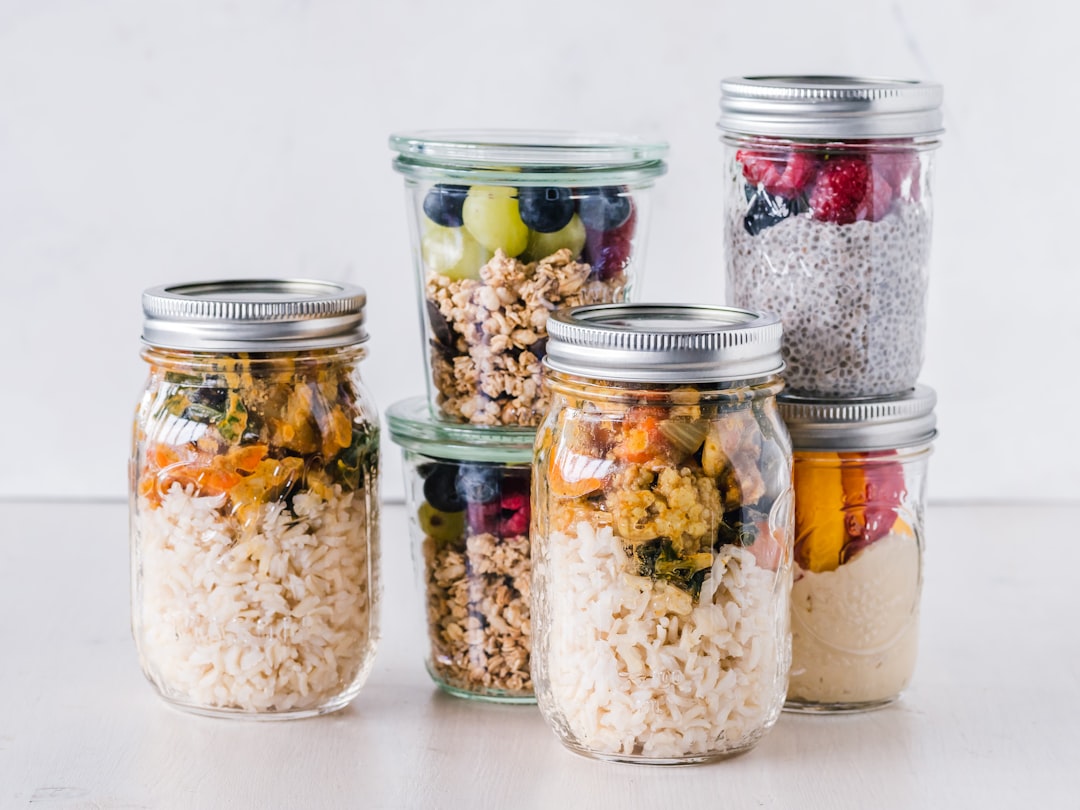
Plan your lunches by buying in bulk on Sundays. Cook large batches of lentil stew, boiled eggs, and chicken thighs (costing roughly £3 per kg) to portion across five days. Combine with rice or potatoes and seasonal vegetables like carrots or cabbage, which cost under 50p per portion. Use airtight containers to keep meals fresh. Rotate protein sources daily to maintain variety and meet protein targets between 50-60g per meal. Track spending using grocery receipts to stay under £2 per lunch. This structured approach ensures affordable, nutritious meals without sacrificing protein.
Frequently Asked Questions
How can I save money on lunch at work in the UK?
You can save money on lunch at work in the UK by meal prepping with affordable protein sources like eggs, canned tuna, and dried lentils. Batch cooking on weekends and using budget supermarkets such as Aldi or Lidl helps reduce costs. On average, preparing your own lunch can cut daily spend from £4 to under £2.
What are the cheapest high-protein foods in UK supermarkets?
The cheapest high-protein foods in UK supermarkets include canned tuna (£1 per 120g), eggs (12p each), dried lentils (£1.50 per 500g), and rolled oats (£1.20 per 1kg). These options provide between 6g and 30g protein per serving and are widely available at budget retailers.
How much protein do UK adults need daily for health?
UK adults need approximately 0.75 grams of protein per kilogram of body weight daily, as recommended by the NHS. For example, a 70kg adult requires about 52.5 grams of protein each day to maintain muscle and overall health.
What common mistakes increase lunch costs when eating high-protein?
Common mistakes include relying on expensive ready meals, not batch cooking, and poor portion control. These lead to higher expenses, food waste, and insufficient protein intake. Planning meals and using cheap protein sources like eggs and canned fish can prevent these issues.
Is it safe to prepare lunches in advance for work?
Yes, it is safe to prepare lunches in advance if food safety guidelines are followed. Store meals in airtight containers and refrigerate promptly. Consume prepared lunches within 3-4 days to minimise bacterial growth risks, as advised by NHS food safety guidelines.
Disclaimer: This article is for informational purposes only and does not constitute medical, nutritional, or professional fitness advice. Always consult a qualified healthcare professional before making changes to your diet or exercise routine.
Leave a Reply