
Kira Mei is a certified personal trainer and nutrition coach specialising in fitness and nutrition for UK adults over 40. She makes healthy eating genuinely affordable — real food, real budgets, no compromise on results.
Scrambled eggs are a simple, protein-rich option for meal prep, but many UK households waste food due to poor planning or storage. With food waste costing the average UK family £700 annually, knowing how to prepare, store, and reheat scrambled eggs correctly can save money and reduce waste. This guide offers exact methods and systems to extend egg freshness, optimise ingredient use, and integrate scrambled eggs efficiently into meal plans. For more on meal prep UK, see our guide.
How Much Food UK Households Waste (And What It's Costing You)
Food waste is the edible food discarded or left uneaten. UK households throw away 4.5 million tonnes of food each year, equivalent to over £700 per family annually, according to the Money Saving Expert food waste guide. This loss includes fresh produce, dairy, and cooked meals. Scrambled eggs, if not stored properly, can contribute to this waste. By understanding precise storage timelines and portion control, the average household can reduce food waste by up to 30%, translating into significant financial savings and less environmental impact.
The Shopping Habits That Create Waste Without You Noticing
Shopping habits often cause unnoticed food waste. Buying large quantities of perishable items without a concrete plan or ignoring overlapping ingredients drives unnecessary disposals. A system to avoid this begins with listing meals for the week, focusing on ingredients that serve multiple dishes. For example, eggs, spinach, and tomatoes can feature in breakfasts and dinners. Supermarkets like Tesco and Sainsbury’s offer smaller pack sizes and loose vegetables, perfect for precise shopping. Store eggs in their original carton in the coldest part of the fridge to maintain freshness, not on the door where temperature fluctuates.
Stop paying personal trainers or apps to tell you what to eat and how to move. Instead, get the Kira Mei full-stack educational blueprint for just £79.99. This programme teaches you how to build your own meal and fitness plans that suit your lifestyle and goals—no fluff, no gimmicks, no monthly fees. Realise you don’t need someone else’s plan; you just need the right tools to create your own.
How to Plan Meals That Use Every Ingredient You Buy
The top three meal planning mistakes that cause waste are: 1) Buying ingredients without specific recipes, leading to excess; 2) Ignoring ingredient perishability, causing spoilage; 3) Lack of ingredient overlap, resulting in partial use. Each mistake increases waste and cost. Planning scrambled eggs alongside other dishes that use the same vegetables or herbs minimises spoilage. For instance, spinach used in both scrambled eggs and salads ensures nothing is wasted. Use a meal planner that tracks perishability and ingredient use to create efficient grocery lists and cooking schedules.
Storage and Freezing: The System That Doubles Your Food's Lifespan
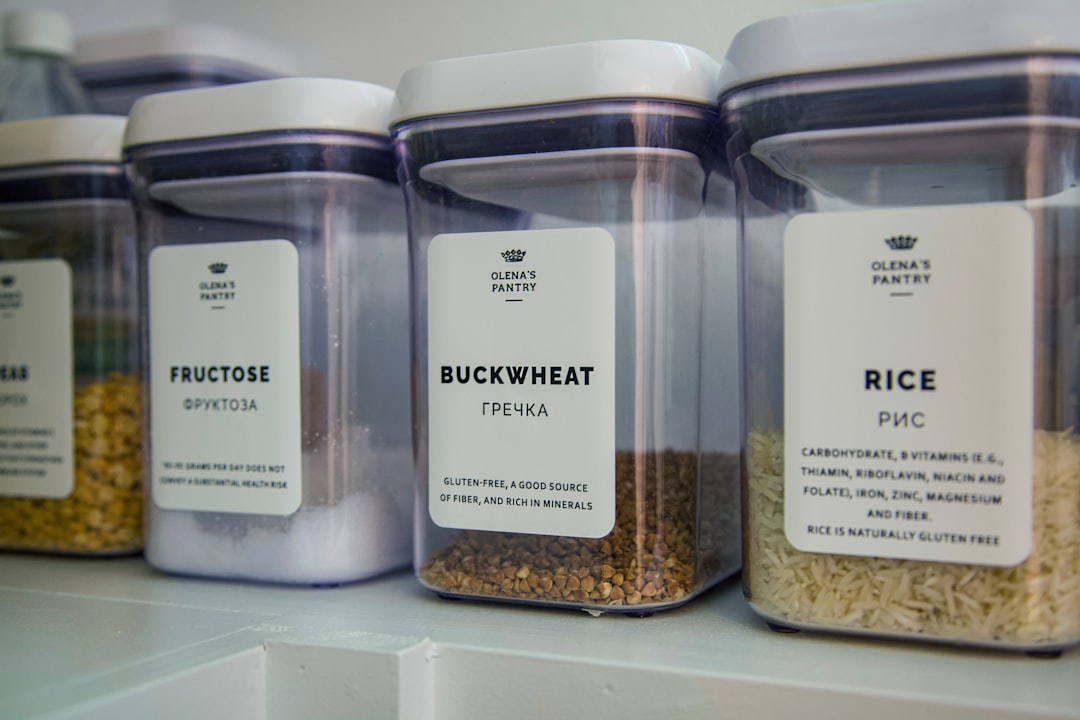
Contrary to common belief, freezing scrambled eggs can maintain their quality for up to one month, according to NHS food safety and storage guidelines. Cook eggs softly, cool quickly, then portion into airtight containers before freezing. In the fridge, scrambled eggs last up to four days safely. Use labelled containers with dates to track freshness. Freezing slows bacterial growth and preserves nutrients, reducing the risk of waste. This storage system extends the usability of cooked eggs beyond typical timelines, allowing batch cooking and flexible meal prep.
Stop paying someone else to tell you what to do in the kitchen or gym. The Kira Mei full-stack bundle (£79.99) arms you with the knowledge to build your own plans that actually work for you—ditch the cookie-cutter programmes and take control.
Your Zero-Waste Weekly Meal Plan
Start by choosing recipes requiring overlapping ingredients like eggs, tomatoes, and spinach. Shop only what fits these meals. Cook scrambled eggs gently in batches, cool, and portion immediately into fridge-safe containers. Use within four days or freeze in single portions for up to a month. Plan meals so eggs appear two to three times weekly, combined with fresh vegetables to maximise ingredient use. Regularly rotate and check stored food to prevent spoilage.
Frequently Asked Questions
How long do scrambled eggs last in the fridge for meal prep in the UK?
Scrambled eggs stored in an airtight container in the fridge last up to four days safely, according to NHS food safety guidelines. Cooling eggs quickly after cooking and storing them promptly extends freshness and reduces food waste.
Can you freeze scrambled eggs for meal prep in the UK?
Yes, scrambled eggs can be frozen for up to one month when cooked gently, cooled rapidly, and stored in airtight containers. Freezing preserves texture and nutrients, allowing flexible meal prep without waste.
What is the best way to reheat scrambled eggs for meal prep?
Reheat scrambled eggs gently over low heat or in short bursts in a microwave to prevent rubberiness. Stir frequently while reheating to maintain texture and flavour, ensuring enjoyable leftovers.
How can I reduce food waste when meal prepping with eggs in the UK?
Reduce waste by planning meals that use overlapping ingredients, buying only needed quantities, and storing eggs properly in their cartons in the fridge’s coldest section. This system helps avoid spoilage and cuts average UK household food waste by up to 30%.
What ingredients pair well with scrambled eggs for UK meal prep?
Vegetables like spinach, tomatoes, and mushrooms pair well with scrambled eggs and overlap across multiple meals. Using these consistently reduces waste and maximises nutritional value in weekly meal plans.
Stop paying someone else to tell you what to do. Get the Kira Mei full-stack bundle for £79.99 and learn how to build your own meal and fitness plans that actually work.
Disclaimer: This article is for informational purposes only and does not constitute medical, nutritional, or professional fitness advice. Always consult a qualified healthcare professional before making changes to your diet or exercise routine.
Leave a Reply