Author: MealPrep

  • Is Canned Food as Healthy as Fresh UK Produce? A Practical Guide

    Is Canned Food as Healthy as Fresh UK Produce? A Practical Guide

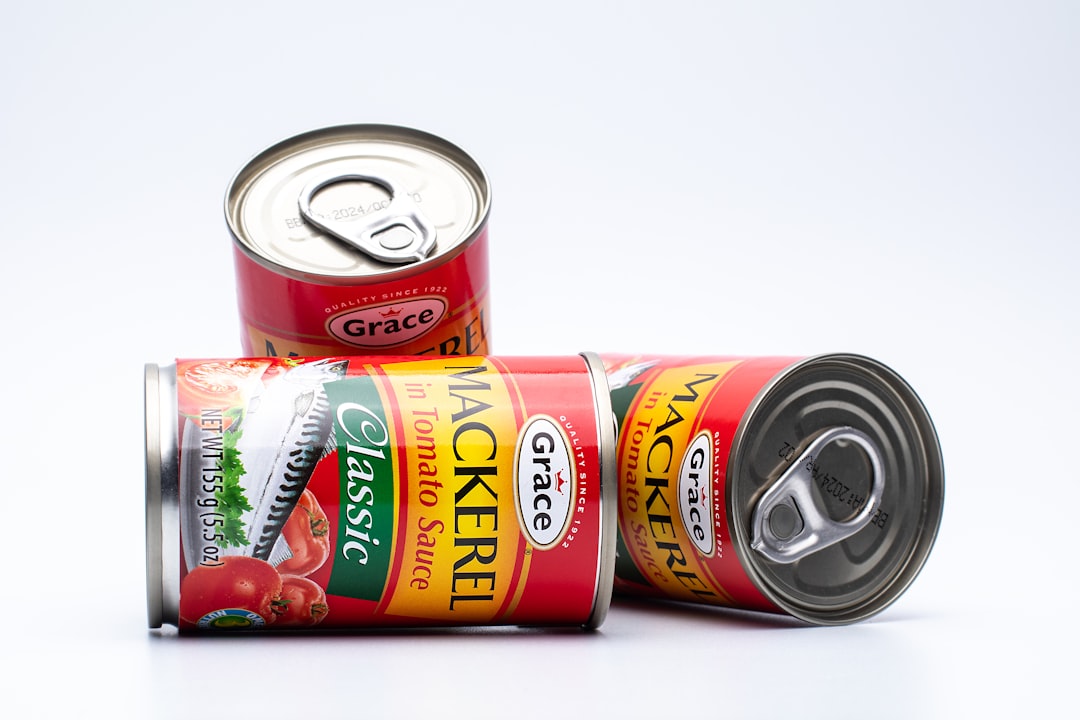
    Canned food often gets overlooked in favour of fresh produce, but with rising food costs and busy lives, many wonder if it’s a healthy alternative. Nutritional differences between canned and fresh items can be minimal, making canned options a practical choice for those on a budget or with limited time. This guide explores how canned food measures up nutritionally in the UK and offers tailored meal prep advice for students, families, and solo diners to eat well without overspending. For more on eating healthy on a budget UK, see our guide.

    Why Generic Meal Prep Advice Fails Most People

    Generic meal prep advice often assumes uniform schedules, budgets, and household sizes, which rarely match real life. Meal prep is the process of preparing meals or ingredients in advance to save time and reduce stress during busy weeks. The NHS Eatwell Guide emphasises that a balanced diet includes a variety of food groups, which can be challenging to plan for without considering individual needs or constraints. For example, advice recommending large batch cooking may waste food in smaller households or overwhelm those new to cooking. Similarly, one-size-fits-all plans can overlook budget constraints faced by students or families coping with rising living costs. Tailored advice considers personal factors like available kitchen equipment, time for cooking, and dietary preferences to improve consistency and adherence.

    Budget Meal Prep for Your Situation: Student, Solo, or Family

    Budget meal prep succeeds when it matches your unique lifestyle. For students juggling study and social life, quick, affordable meals sourced from supermarkets like Aldi or Lidl can cut costs. Buying canned beans, tomatoes, and frozen vegetables reduces waste and prep time. Solo diners benefit from batch cooking smaller portions and freezing extras to avoid spoilage. Families find value in planning meals around sales and seasonal fresh produce, supplementing with canned items to stretch ingredients. Money Saving Expert’s student and family budgeting resources recommend setting a weekly food budget, shopping with a list, and cooking from scratch to save up to 30% on groceries. Timing meals to coincide with supermarket offers and using leftovers creatively ensures food lasts longer and reduces the stress of last-minute cooking.

    The Shopping and Cooking Adjustments That Actually Make a Difference

    The three biggest mistakes that increase food waste and costs are buying without a plan, ignoring portion sizes, and underutilising canned foods. Purchasing fresh produce without meal plans can lead to spoilage, forcing unnecessary waste. Overestimating portion sizes often results in leftovers that may not be eaten, especially in smaller households. Many shy away from canned food, missing out on affordable, long-lasting ingredients that reduce shopping frequency. Incorporating canned pulses and vegetables into meals allows for cost-effective nutrition and flexible recipes. Additionally, storing fresh and canned foods according to NHS food safety storage guidelines helps maintain quality and safety, extending shelf life and reducing risk of illness.

    Scaling Up or Down Without Wasting Food or Money

    Contrary to popular belief, scaling recipes up or down can be done efficiently without excessive waste. Research indicates that precise portioning and using storage solutions like vacuum packs or airtight containers extend freshness. The NHS Eatwell Guide supports flexible meal sizes tailored to energy needs, which vary by age, activity, and household size. Using canned ingredients when scaling down is particularly helpful, as they come in standard portion sizes and keep longer. For larger households, buying canned staples in bulk can reduce unit costs. This approach balances nutrition, budget, and convenience while minimising food waste.

    A Week of Meals Tailored to Your Household Size

    Plan your meals by choosing recipes that accommodate your household size and schedule. For solo cooks, prepare two to three meals a week in bulk, freezing portions for later. Families can plan diverse meals using a mix of fresh and canned ingredients, allowing flexibility if plans change. Students might focus on quick, one-pot dishes utilising canned goods and frozen veggies to save time. Shopping midweek for reduced-price canned items and fresh produce nearing expiry can maximise savings. Keep meals balanced by including protein, fibre, and a variety of vegetables daily.

    Frequently Asked Questions

    Is canned food as healthy as fresh food in the UK?

    Canned food in the UK retains many nutrients comparable to fresh food, including fibre, vitamins, and minerals, according to the British Nutrition Foundation. While some heat-sensitive vitamins like vitamin C may be reduced, canned foods offer a nutritious, convenient option, especially when fresh produce is costly or unavailable.

    Does canned food contain added sugars or salt in the UK?

    Many canned foods in the UK are free from added sugars or salt, but labels should be checked carefully. Choosing low-sodium or no-added-sugar varieties ensures healthier options. The NHS Eatwell Guide recommends selecting canned items with minimal additives to maintain balanced nutrition.

    Can canned food help with budget meal planning in the UK?

    Yes, canned food is a cost-effective way to stretch food budgets. Money Saving Expert highlights that canned staples like beans, tomatoes, and vegetables reduce food waste and shopping frequency, making them ideal for student budgets, families, and solo households.

    How should canned food be stored safely in the UK?

    Canned food should be stored in a cool, dry place and consumed by the expiry date. Once opened, transfer contents to a sealed container and refrigerate, consuming within 24-48 hours per NHS food safety storage advice to prevent spoilage and foodborne illness.

    Are canned vegetables as nutritious as fresh ones in the UK diet?

    Canned vegetables in the UK generally maintain similar levels of fibre and minerals as fresh vegetables, although vitamin C content may be lower due to the canning process. They remain a nutritious component of a balanced diet according to the British Nutrition Foundation.

    Get started with Kira Mei. Start your 7-day free trial — from £7.99/month.

    Disclaimer: This article is for informational purposes only and does not constitute medical, nutritional, or professional fitness advice. Always consult a qualified healthcare professional before making changes to your diet or exercise routine.


  • Cheapest Frozen Vegetables UK Most Nutritious: Budget Guide for Beginners

    Cheapest Frozen Vegetables UK Most Nutritious: Budget Guide for Beginners

    Frozen vegetables offer a cost-effective way to maintain a nutritious diet in the UK, especially when fresh options can be expensive or go to waste. Many shoppers struggle to balance price with nutritional value, leading to wasted food and failed meal prep attempts. This guide breaks down the cheapest frozen vegetables that retain high nutrient content, explains common pitfalls in meal planning, and offers realistic strategies to keep your meal plans affordable and effective throughout the week. For more on eating healthy on a budget UK, see our guide.

    Why Most Meal Prep Attempts Fail by Wednesday

    Meal prep is the practice of preparing meals ahead of time, often for the whole week, to save time and maintain dietary goals. However, many attempts fail by midweek due to spoilage, lack of variety, and unrealistic portioning. Food waste is a major factor; according to Money Saving Expert food waste advice, UK households waste around 4.5 million tonnes of food annually, much of it fresh produce that spoils quickly. Frozen vegetables can mitigate this by lasting months in the freezer if stored correctly, helping extend meal prep success. Many meal preppers underestimate storage needs or overestimate the number of meals they can consume in a week, leading to boredom or waste. Additionally, nutrient degradation occurs in fresh vegetables stored too long, whereas frozen vegetables maintain nutrients better, helping preserve meal quality through the week.

    The Real Reasons Your Prep Doesn't Survive the Week

    The primary reason meal prep collapses midweek is timing and storage mismanagement. Fresh vegetables typically last 3–5 days in the fridge, but NHS food safety storage times recommend freezing or consuming within two days to avoid spoilage. When fresh veggies go bad, meals get skipped or replaced with less healthy options, derailing nutrition goals. In contrast, frozen vegetables stored at -18°C or below remain safe for up to 12 months, allowing more flexible cooking schedules. Supermarkets like Aldi, Lidl, and Tesco offer frozen vegetables at lower prices—often under £1 per 500g pack—making them accessible for budget shoppers. Effective meal prep requires sequencing: start the week with fresh produce that spoils faster, then transition to frozen vegetables mid- to late week to avoid waste. Using frozen vegetables also simplifies portion control, as packs come pre-measured, reducing overuse and spoilage.

    Stop paying personal trainers or apps to tell you what to eat. Instead, get the Kira Mei Nutrition Blueprint — a no-nonsense educational programme that teaches you how to build your own nutrition plans that actually work for your life. Priced at just £49.99, it’s your chance to ditch cookie-cutter advice and realise how to take control of your diet without gimmicks or guesswork.

    The Fix: A More Realistic System for Imperfect Weeks

    Three common mistakes cause meal prep failure: overbuying fresh vegetables, static meal plans, and ignoring storage guidelines. Overbuying fresh veggies leads to spoilage and food waste. Static meal plans fail to accommodate changes in appetite or schedule, increasing the chance of meals being skipped. Ignoring storage guidelines causes premature spoilage; the NHS food safety storage times highlight that cooked vegetables last only 3–4 days refrigerated, while frozen ones last months. The consequence is wasted food, lost money, and disrupted nutrition. The fix involves buying a smaller amount of fresh vegetables early in the week and supplementing with frozen vegetables later. This approach eases pressure to cook immediately and reduces waste. Varying meals with mixed frozen vegetables or spinach packs keeps meals interesting and nutritionally balanced. Prioritising frozen vegetables for midweek meals extends storage life and preserves nutrients, supporting consistent healthy eating.

    How to Build Meal Prep Into Your Life, Not Around It

    Building meal prep into your lifestyle means adapting to real-life schedules and preferences rather than rigid plans. The British Nutrition Foundation sustainable healthy eating guidance emphasises flexibility and variety to maintain long-term healthy habits. Frozen vegetables support this by providing convenience and nutritional consistency without daily supermarket trips. Around 60% of UK adults find it hard to stick to meal prep due to time constraints and unpredictability. Freezing extra portions, using frozen vegetable mixes, and batch cooking with frozen peas or spinach can save time and reduce decision fatigue. Planning meals that incorporate frozen vegetables allows for quick, nutritious meals even on busy days. This reduces reliance on convenience foods and supports sustainable budget eating by minimising impulse purchases.

    Kira Mei helps you stay consistent — no spreadsheets, no guesswork.

    A Simpler Starting Point That Actually Sticks

    Start by choosing three frozen vegetables you enjoy, such as peas, spinach, and mixed vegetables. Buy in bulk from discount supermarkets to save money. Each Sunday, batch cook meals using these frozen vegetables, freezing portions for later in the week to prevent waste. Use frozen vegetables to replace fresh ones midweek, extending meal life and maintaining nutrition. Store frozen vegetables at -18°C or below, following NHS food safety storage times, to maintain quality. Keep meal plans flexible, allowing swaps between fresh and frozen options depending on convenience.

    Frequently Asked Questions

    What are the cheapest frozen vegetables in the UK that are most nutritious?

    The cheapest frozen vegetables in the UK that retain high nutrition are peas, spinach, and mixed vegetable blends. These options cost less than fresh equivalents and preserve up to 90% of their nutrient content due to freezing at peak freshness.

    How long can I store frozen vegetables safely in the UK?

    Frozen vegetables can be safely stored at -18°C or below for up to 12 months without significant nutrient loss, according to NHS food safety storage times. Proper storage maintains quality and reduces food waste.

    Do frozen vegetables retain their nutrients compared to fresh ones?

    Yes, frozen vegetables retain up to 90% of their nutrients compared to fresh, as they are frozen shortly after harvesting. This method preserves vitamins A and C, fibre, and antioxidants effectively.

    Where can I buy the cheapest frozen vegetables in the UK?

    Discount supermarkets such as Aldi, Lidl, and Tesco offer the cheapest frozen vegetables in the UK, with prices often below £1 per 500g pack, making them affordable for budget-conscious shoppers.

    How do frozen vegetables help reduce food waste in the UK?

    Using frozen vegetables reduces food waste by extending shelf life from days to months. Money Saving Expert food waste advice states that planning meals around frozen vegetables can cut household food waste by up to 30%.

    Stop paying someone to tell you what to eat. Get the Kira Mei Nutrition Blueprint for £49.99 and learn to build your own plans that fit your life — no fluff, no nonsense, no personal trainers needed.

    Disclaimer: This article is for informational purposes only and does not constitute medical, nutritional, or professional fitness advice. Always consult a qualified healthcare professional before making changes to your diet or exercise routine.

  • How to Hit Your Five a Day on a Budget UK: Practical Guide

    How to Hit Your Five a Day on a Budget UK: Practical Guide

    Eating five portions of fruit and vegetables daily is crucial for health but can seem costly. This guide breaks down affordable options across UK supermarkets, showing you how to shop smartly with real product examples and prices. Discover how to build budget-friendly meals that meet your nutritional goals without sacrificing variety or quality. With precise shopping strategies, hitting your five a day becomes achievable even on a tight budget. For more on eating healthy on a budget UK, see our guide.

    Why This Supermarket Is One of the Best for Budget Meal Prep

    Aldi is one of the best supermarkets for budget meal prep in the UK due to its consistently low prices and good quality fresh produce. According to Money Saving Expert, Aldi offers some of the cheapest fruit and vegetables, including items like carrots for 29p per 1kg bag and a 1kg bag of potatoes for 59p. Lidl closely follows with similar prices. Tesco and Asda also provide affordable options but generally at slightly higher prices. Choosing Aldi for your fruit and veg shopping can reduce weekly costs by up to 30% compared to other chains. Additionally, Aldi offers frozen mixed berries at around £1.50 for 300g, which is cheaper than fresh alternatives and has a longer shelf life. The availability of pre-packed seasonal fruit and vegetables at Aldi allows shoppers to plan meals effectively without waste.

    The Exact Products to Buy and What They Cost

    To hit your five a day affordably, focus on a mix of fresh, frozen, and canned produce from supermarkets like Aldi and Lidl. Start with basics such as Aldi Everyday Essentials carrots at 29p for 1kg, and Tesco’s own-brand tomatoes at 85p per 400g pack. Frozen products like Lidl’s mixed vegetable medley cost around £1.15 for 1kg, providing multiple portions and excellent value. Canned options such as Sainsbury’s chopped tomatoes at 40p per 400g can supplement fresh produce and last longer. Bananas typically cost 72p per kg at Asda, while apples are about £1.20 per kg at Aldi. These products combined can deliver your five daily portions for under £2 per day. Shopping by weight and portioning meals in advance reduces waste and cost. For example, a lunch might include a 150g salad bag from Aldi for 85p combined with a 100g apple. Planning to buy frozen peas, sweetcorn, and broccoli at around £1.30 per 1kg bag extends your options for nutritious meals throughout the week.

    Stop paying personal trainers or apps to tell you what to eat. For just £49.99, the Kira Mei Nutrition Blueprint teaches you how to create your own nutrition plans that actually work—no fluff, no gimmicks, just straightforward guidance to take control of your diet. Realise your potential without handing over monthly fees or relying on cookie-cutter programmes.

    How to Build a Full Week of Meals From One Shop

    The three mistakes that inflate your food costs are buying too many perishable fresh items without a plan, neglecting frozen alternatives, and ignoring supermarket deals. For example, purchasing 1kg of fresh berries at £3.50 without meal plans risks spoilage and waste. Instead, buying frozen berries at £1.50 per 300g bag extends usability. Another mistake is avoiding frozen vegetables, which are often cheaper and retain nutrients well—frozen peas at £1.30 per 1kg are a good example. Lastly, missing weekly supermarket deals from Tesco or Asda can add unnecessary costs. Planning meals around discounted fruit and vegetable bundles or ‘reduced for quick sale’ items ensures affordability. Using a single supermarket like Aldi for all your fruit and veg needs simplifies shopping and reduces the risk of impulse buys.

    Common Mistakes That Inflate Your Food Bill

    Contrary to popular belief, buying organic or pre-packaged convenience fruit and vegetables often increases your bill without improving nutritional intake. A typical organic broccoli head can cost £1.50 compared to 85p for non-organic at Lidl. Pre-cut vegetables can be twice as expensive as whole options. Another costly mistake is shopping without a list, leading to impulse purchases. According to Money Saving Expert, shoppers who plan meals and stick to lists save an average of 20% on their weekly food bill. Bulk buying non-perishable items like canned tomatoes or frozen peas reduces costs per portion. Additionally, improper storage can lead to spoilage; following NHS food safety storage guidelines can extend the life of fresh produce and reduce waste.

    Kira Mei helps you stay consistent — no spreadsheets, no guesswork.

    Your Complete Weekly Meal Plan Using Only This Supermarket

    Create a weekly plan using mostly Aldi products: buy 2kg of carrots (£0.58), 1kg potatoes (£0.59), 1kg frozen peas (£1.30), 400g canned chopped tomatoes (£0.40), and a 1kg bag of apples (£1.20). For breakfast, have porridge with sliced apple and a banana (72p/kg). Lunches can include carrot and potato soup using canned tomatoes and frozen peas, with a side salad bag (£0.85). Dinners could be vegetable stir-fries or stews combining these ingredients. Snacks include fresh fruit or raw carrots. Portion sizes should aim to meet 400g of veg and fruit daily. This system keeps costs below £10 per week for five portions a day.

    Frequently Asked Questions

    How can I eat five portions of fruit and veg daily on a tight budget in the UK?

    You can eat five portions daily by buying seasonal and frozen fruit and vegetables from budget supermarkets like Aldi or Lidl. For example, frozen mixed vegetables cost around £1.30 per 1kg bag, and fresh carrots are about 29p per kg at Aldi, enabling five portions for under £2 a day.

    Which UK supermarkets offer the cheapest fruit and vegetables for hitting five a day?

    Aldi and Lidl consistently offer some of the cheapest fruit and vegetables in the UK, with items like carrots at 29p per kg and frozen peas at £1.30 per 1kg bag. Tesco and Asda also provide affordable options but at slightly higher prices.

    Are frozen vegetables as nutritious as fresh for five a day goals?

    Yes, frozen vegetables retain similar nutrient levels to fresh and often cost less. For example, 1kg bags of frozen peas or mixed vegetables cost around £1.30 at Lidl, providing affordable and convenient options to meet five a day targets.

    What are common mistakes that increase the cost of eating five a day in the UK?

    Common costly mistakes include buying too many perishable fresh items without a plan, avoiding frozen alternatives, and neglecting supermarket deals. Planning meals and purchasing frozen or canned produce reduces waste and saves up to 20% on weekly food bills.

    How much does it typically cost per week to hit five a day on a budget in the UK?

    It typically costs under £10 per week to hit five a day when shopping at budget supermarkets like Aldi, using a mix of fresh, frozen, and canned fruit and vegetables. For example, carrots, potatoes, frozen peas, and canned tomatoes can form the basis of affordable meals.

    Stop paying someone else to plan your nutrition. Grab the Kira Mei Nutrition Blueprint for just £49.99 and learn how to build your own effective nutrition plans—ditch the personal trainers and cookie-cutter programmes for good.

    Disclaimer: This article is for informational purposes only and does not constitute medical, nutritional, or professional fitness advice. Always consult a qualified healthcare professional before making changes to your diet or exercise routine.

  • How to Meal Prep Rice and Chicken for the Week UK Cheap

    How to Meal Prep Rice and Chicken for the Week UK Cheap

    Meal prepping rice and chicken for the week in the UK can be both affordable and nutritious when planned correctly. By selecting budget-friendly ingredients, you can prepare balanced meals that last all week without overspending. This guide breaks down the best supermarkets for cheap staples, specific products to buy, and a step-by-step system to prepare meals efficiently. Whether shopping at Aldi, Lidl, or Tesco, this approach ensures you get the most nutritious meals for your money while avoiding common costly mistakes.

    Why This Supermarket Is One of the Best for Budget Meal Prep

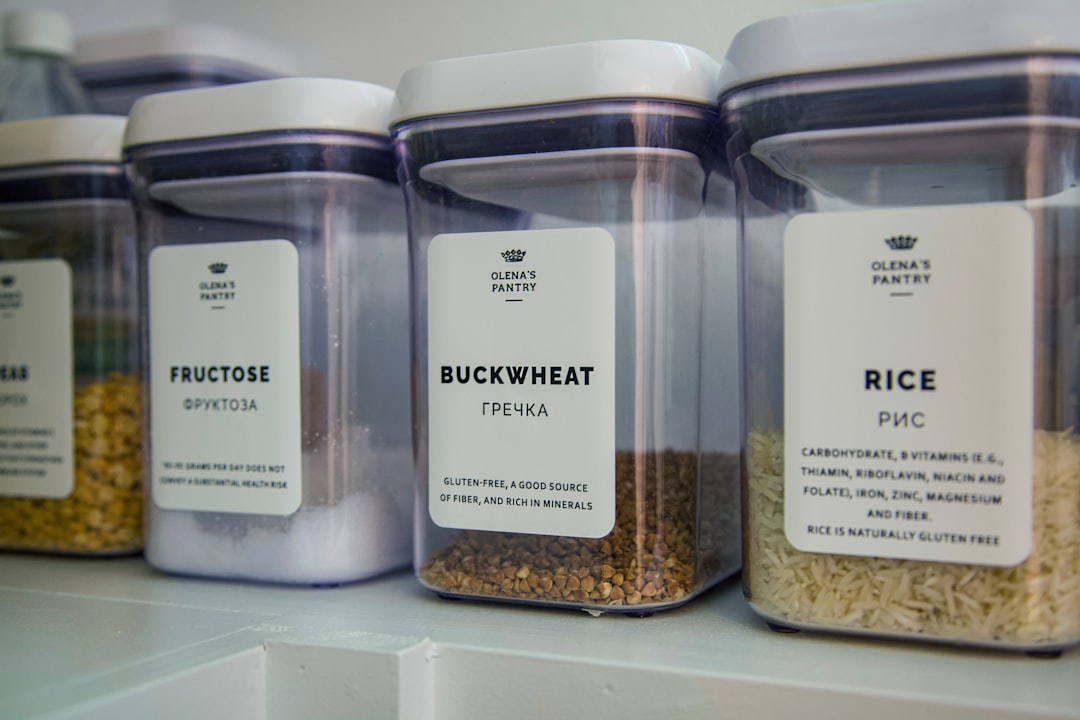
    Aldi is widely regarded as one of the best supermarkets for budget meal prep in the UK. It offers competitively priced staples such as long grain rice at approximately £0.45 per 1kg bag and frozen chicken thighs for about £3.50 per 1kg pack. Aldi is classified as a discount supermarket chain with over 900 stores nationwide, making it accessible for many shoppers. According to Money Saving Expert cheap supermarket food guides, Aldi consistently ranks highly for affordability and quality, especially in fresh and frozen meat categories.

    This supermarket's pricing allows meal preppers to purchase sufficient rice and chicken to cover 5–7 days of meals for under £10. Additionally, Aldi stocks affordable vegetables such as frozen peas and carrots for around £0.80 per 500g bag, which complements rice and chicken dishes nutritionally. The store's product range and prices enable planning a full week of meals without exceeding a tight budget. For more on meal prep UK, see our guide.

    The Exact Products to Buy and What They Cost

    To meal prep rice and chicken cheaply in the UK, start with Aldi or Lidl for the core ingredients. Purchase a 1kg bag of long grain white rice for approximately £0.45, which yields about 10 portions cooked. For protein, frozen chicken thighs or drumsticks cost about £3.50 per kilo, providing 5–6 portions. Fresh chicken breasts from Tesco are slightly more expensive, around £4.50 per 600g, but leaner.

    Add frozen mixed vegetables such as peas, sweetcorn, and carrots for roughly £0.80–£1 per 500g bag. For flavour, basic herbs and spices like paprika, garlic powder, and dried mixed herbs are budget-friendly if bought in bulk from supermarkets like Asda or Lidl.

    The sequence: first, rinse and soak rice if desired, then cook 500g batches to prevent waste. Simultaneously, bake or slow-cook chicken thighs seasoned simply with salt, pepper, and herbs. Bulk cooking these ingredients takes about 45 minutes and can be done on a Sunday. Portion meals into reusable containers immediately after cooking for quick access during the week.

    If you want to stop paying personal trainers and apps to tell you what to eat, get the Kira Mei Nutrition Blueprint. For just £49.99, this no-nonsense programme teaches you how to build your own nutrition plans that suit your lifestyle and goals. It’s time to realise you don’t need a PT or AI to figure this out.

    How to Build a Full Week of Meals From One Shop

    The three biggest mistakes that increase costs in weekly meal prep are: buying fresh produce in excess that spoils, relying on expensive protein cuts, and failing to plan portion sizes.

    Overspending on fresh vegetables without considering shelf life leads to significant waste. Frozen vegetables from Aldi or Lidl last for months and cost around £0.80 per 500g, offering a more economical and practical option. Choosing cheaper cuts like chicken thighs over breasts reduces costs by about 20–30% without compromising protein intake.

    Portion control is essential; cooking too much rice or chicken results in leftovers that may go uneaten and wasted. Measuring portions based on the NHS Eatwell Guide's recommendations for balanced meals helps maintain nutritional balance and prevents overbuying. Planning meals around these principles ensures that one weekly shop provides five to seven days of filling, healthy meals.

    Common Mistakes That Inflate Your Food Bill

    Contrary to popular belief, buying in bulk without a plan can increase your food bill significantly. Many shoppers purchase larger quantities of rice and chicken expecting to save money but end up wasting unused food due to improper storage or overcooking. According to Money Saving Expert cheap supermarket food advice, unplanned bulk buying is a top contributor to food waste and unnecessary expense.

    Another common mistake is ignoring supermarket own-brand products. For example, Tesco's own-brand long grain rice costs £0.85 per kilo, nearly double Aldi’s price, which adds up over a week. Opting for branded spices and sauces rather than budget alternatives can add an extra £3–£5 per shop without improving meal quality.

    Finally, not using leftovers effectively forces extra cooking sessions and additional ingredient purchases. Sticking to a simple meal plan with rice, chicken, and a few vegetables reduces complexity and keeps the weekly spend low while meeting the British Nutrition Foundation healthy eating standards for protein and carbohydrate intake.

    Stop paying someone else to tell you what to eat. For £49.99, the Kira Mei Nutrition Blueprint teaches you how to build your own plans that work for you — no fluff, no gimmicks, no PT required.

    Your Complete Weekly Meal Plan Using Only This Supermarket

    Start your week by purchasing 1kg of Aldi long grain rice (£0.45), 1kg frozen chicken thighs (£3.50), and two 500g bags of frozen mixed vegetables (£1.60 total). On Sunday, cook 500g rice and 500g chicken with half the vegetables for five lunches. Portion these into containers.

    Use the leftover rice and chicken for dinners, reheating with the remaining vegetables and adding herbs and spices bought in bulk. Snack on inexpensive fruit like bananas or apples (£1–£1.20 per kilo) from the same shop.

    Repeat this meal structure for seven days, adjusting portions to appetite and activity level. Learn more about the Kira Mei Nutrition Blueprint and how it can help you take control of your nutrition.

    Frequently Asked Questions

    How much does it cost to meal prep rice and chicken for a week in the UK?

    Meal prepping rice and chicken for a week in the UK typically costs between £15 and £20 when using budget supermarkets like Aldi or Lidl. A 1kg bag of rice costs about £0.45, and 1kg of frozen chicken thighs is around £3.50. Adding frozen vegetables and spices brings the total within this affordable range.

    What is the best supermarket in the UK for cheap meal prepping rice and chicken?

    Aldi is considered one of the best supermarkets for cheap meal prepping rice and chicken in the UK. It offers long grain rice at approximately £0.45 per kilo and frozen chicken thighs for about £3.50 per kilo, making it a cost-effective choice for budget-conscious shoppers.

    How do I safely store prepped rice and chicken for the week?

    Cooked rice and chicken should be cooled quickly and stored in airtight containers in the fridge. According to NHS food safety storage guidelines, cooked chicken and rice can be safely stored in the refrigerator for up to 3 days or frozen for up to 3 months to maintain freshness and prevent foodborne illness.

    How many portions does 1kg of rice and chicken make for meal prep?

    One kilogram of uncooked rice typically yields about 10 cooked portions, and 1kg of chicken thighs provides around 5 to 6 protein portions. This quantity is suitable for preparing 5 to 7 meals depending on portion sizes and additional ingredients like vegetables.

    What are common mistakes that increase meal prep costs for rice and chicken in the UK?

    Common mistakes include buying fresh vegetables that spoil quickly, choosing expensive chicken cuts instead of cheaper thighs, and poor portion control leading to food waste. These errors can inflate your food bill by up to 30%, according to Money Saving Expert cheap supermarket food tips.

    Disclaimer: This article is for informational purposes only and does not constitute medical, nutritional, or professional fitness advice. Always consult a qualified healthcare professional before making changes to your diet or exercise routine.

  • High Fibre Cheap Meals UK for Gut Health: Practical Guide for Beginners

    High Fibre Cheap Meals UK for Gut Health: Practical Guide for Beginners

    Gut health depends significantly on fibre intake, yet balancing cost and nutrition can be challenging, especially on a tight budget or with family constraints. High fibre cheap meals in the UK can be affordable and gut-friendly by focusing on accessible ingredients like beans, oats, and seasonal vegetables. Tailoring meal plans to your household size and shopping smartly helps maintain gut health without overspending. This guide provides practical, budget-conscious advice for anyone looking to improve gut health through affordable, high fibre meals.

    Why Generic Meal Prep Advice Fails Most People

    Generic meal prep advice often overlooks individual constraints such as budget, household size, and food preferences. Meal prep is the process of preparing meals in advance to save time and reduce stress, but standard plans rarely consider UK-specific factors like local price fluctuations or typical portion sizes. The British Nutrition Foundation notes that dietary needs vary across life stages, meaning advice that works for one person may not suit another. For example, fibre requirements differ between children, adults, and older adults. Many generic plans also ignore the challenge of balancing bulk cooking with food safety and freshness, which is critical to avoid waste and maintain gut-friendly nutrients. Without tailoring, people risk spending more or discarding food, undermining the goal of affordable high fibre meals. For more on eating healthy on a budget UK, see our guide.

    Budget Meal Prep for Your Situation: Student, Solo, or Family

    Budget meal prep in the UK demands a clear system that fits your lifestyle. Students might focus on supermarket discounts at chains like Tesco or Aldi, using staples such as canned beans and frozen vegetables to keep costs low. Solo diners can batch cook single portions using freezer-friendly recipes, reducing waste and accommodating irregular schedules. Families benefit from making larger meals like vegetable casseroles or chickpea curries that can be stretched over several days. A practical sequence involves planning meals twice weekly, shopping with a list based on discounted seasonal produce, and prepping ingredients in bulk evenings. Money Saving Expert highlights that knowing supermarket deals and planning around them can save up to 30% on food bills, crucial for high fibre ingredients like oats and pulses. Timing meals to coincide with sales on wholegrain bread or root vegetables helps maintain fibre intake affordably.

    Stop paying someone else to tell you what to eat and how to plan. For just £49.99, the Kira Mei full-stack bundle teaches you how to build your own personalised meal and fitness programmes that fit your unique needs—no fluff, no PT nonsense. Realise your potential with a blueprint that puts you in control. Get the full-stack bundle now.

    The Shopping and Cooking Adjustments That Actually Make a Difference

    The three biggest mistakes that increase food costs and reduce fibre intake are ignoring seasonal produce, overbuying perishable items, and neglecting batch cooking. Seasonal vegetables such as carrots, cabbage, and apples provide affordable fibre-rich options aligned with UK growing cycles, which also reduces costs. Overbuying fresh salad leaves or berries can lead to spoilage, wasting money and nutrients important for gut health. Batch cooking meals like lentil dahl or vegetable soups allows fibre to be preserved and meals to be portioned for convenience. Avoiding these mistakes ensures consistent access to fibre without unnecessary expense, supporting gut health and budget goals simultaneously.

    Scaling Up or Down Without Wasting Food or Money

    Adjusting meal quantities for different household sizes without waste is challenging but achievable. Contrary to common belief, cooking in bulk does not always save money if excess food is discarded. The NHS Eatwell Guide recommends balancing portions of fibre-rich foods like wholegrain rice and beans according to household needs to optimise both nutrition and cost. Using airtight containers and freezing extras can extend shelf life, reducing spoilage. Planning meals with flexible ingredients such as oats or root vegetables enables scaling recipes up or down easily. Evidence suggests that households who plan portions carefully reduce food waste by 20-30%, which is a significant saving when aiming for high fibre cheap meals.

    Stop relying on automated apps that tell you what to do. For £79.99, the Kira Mei full-stack bundle gives you the tools and knowledge to create your own plans that actually work for your lifestyle—ditch the guesswork and the PT hype. Take control with the full-stack bundle.

    A Week of Meals Tailored to Your Household Size

    Create a tailored meal plan by choosing three fibre-rich meals per day and adjusting portion sizes for your household. For example, start the week with porridge topped with seeds for breakfast, lentil soup for lunch, and vegetable stir-fry with brown rice for dinner. Allocate Sunday evenings for batch cooking enough for two to three days and freeze extras. Midweek, prepare quick meals like bean chili or oatcakes with hummus to maintain variety. Shopping lists should prioritise affordable staples like oats, canned beans, seasonal greens, and root vegetables, replenished weekly. This strategy helps optimise fibre intake while controlling costs and food waste. Learn more about how to build your own plans with the Kira Mei full-stack bundle.

    Frequently Asked Questions

    What are some high fibre cheap meals in the UK for gut health?

    High fibre cheap meals in the UK for gut health typically include dishes with lentils, beans, oats, and seasonal vegetables. Examples are lentil soup, porridge with seeds, and vegetable stir-fries. These meals provide the NHS-recommended 30g of daily fibre essential for digestion and are budget-friendly when using local supermarket deals.

    How can I increase fibre intake on a tight UK budget?

    Increasing fibre on a tight UK budget involves prioritising affordable staples like whole oats, dried or canned beans, frozen vegetables, and root vegetables. Shopping seasonally and using supermarket discount strategies from Money Saving Expert can reduce costs, while batch cooking helps avoid waste and maintains consistent fibre intake.

    Why is fibre important for gut health according to UK guidelines?

    Fibre is vital for gut health because it promotes healthy digestion and supports the gut microbiome. The NHS Eatwell Guide recommends adults consume 30g of fibre daily to reduce the risk of bowel conditions. Fibre-rich diets also help maintain regular bowel movements and lower cholesterol.

    What are common mistakes when cooking high fibre meals cheaply in the UK?

    Common mistakes include buying out-of-season produce that is costly, over-purchasing perishable items leading to waste, and not batch cooking which misses opportunities to save time and money. These errors increase expenses and reduce consistent fibre intake, which is crucial for gut health.

    How can I adjust high fibre meals for different household sizes without waste?

    Adjusting meal portions based on household size requires planning recipes using flexible ingredients like oats, beans, and root vegetables, which can be scaled easily. The NHS Eatwell Guide suggests portion control and freezing leftovers to prevent waste, reducing food loss by up to 30% and saving money while maintaining fibre intake.

    Stop paying someone to tell you what to do. The Kira Mei full-stack bundle (£49.99/£79.99) teaches you how to build your own meal and fitness programmes that fit your life, not the other way around. Get the full-stack bundle today and take control.

    Disclaimer: This article is for informational purposes only and does not constitute medical, nutritional, or professional fitness advice. Always consult a qualified healthcare professional before making changes to your diet or exercise routine.


  • How to Make Scrambled Eggs for Meal Prep UK Beginners

    How to Make Scrambled Eggs for Meal Prep UK Beginners

    Scrambled eggs are a simple, protein-rich option for meal prep, but many UK households waste food due to poor planning or storage. With food waste costing the average UK family £700 annually, knowing how to prepare, store, and reheat scrambled eggs correctly can save money and reduce waste. This guide offers exact methods and systems to extend egg freshness, optimise ingredient use, and integrate scrambled eggs efficiently into meal plans. For more on meal prep UK, see our guide.

    How Much Food UK Households Waste (And What It's Costing You)

    Food waste is the edible food discarded or left uneaten. UK households throw away 4.5 million tonnes of food each year, equivalent to over £700 per family annually, according to the Money Saving Expert food waste guide. This loss includes fresh produce, dairy, and cooked meals. Scrambled eggs, if not stored properly, can contribute to this waste. By understanding precise storage timelines and portion control, the average household can reduce food waste by up to 30%, translating into significant financial savings and less environmental impact.

    The Shopping Habits That Create Waste Without You Noticing

    Shopping habits often cause unnoticed food waste. Buying large quantities of perishable items without a concrete plan or ignoring overlapping ingredients drives unnecessary disposals. A system to avoid this begins with listing meals for the week, focusing on ingredients that serve multiple dishes. For example, eggs, spinach, and tomatoes can feature in breakfasts and dinners. Supermarkets like Tesco and Sainsbury’s offer smaller pack sizes and loose vegetables, perfect for precise shopping. Store eggs in their original carton in the coldest part of the fridge to maintain freshness, not on the door where temperature fluctuates.

    Stop paying personal trainers or apps to tell you what to eat and how to move. Instead, get the Kira Mei full-stack educational blueprint for just £79.99. This programme teaches you how to build your own meal and fitness plans that suit your lifestyle and goals—no fluff, no gimmicks, no monthly fees. Realise you don’t need someone else’s plan; you just need the right tools to create your own.

    How to Plan Meals That Use Every Ingredient You Buy

    The top three meal planning mistakes that cause waste are: 1) Buying ingredients without specific recipes, leading to excess; 2) Ignoring ingredient perishability, causing spoilage; 3) Lack of ingredient overlap, resulting in partial use. Each mistake increases waste and cost. Planning scrambled eggs alongside other dishes that use the same vegetables or herbs minimises spoilage. For instance, spinach used in both scrambled eggs and salads ensures nothing is wasted. Use a meal planner that tracks perishability and ingredient use to create efficient grocery lists and cooking schedules.

    Storage and Freezing: The System That Doubles Your Food's Lifespan

    Contrary to common belief, freezing scrambled eggs can maintain their quality for up to one month, according to NHS food safety and storage guidelines. Cook eggs softly, cool quickly, then portion into airtight containers before freezing. In the fridge, scrambled eggs last up to four days safely. Use labelled containers with dates to track freshness. Freezing slows bacterial growth and preserves nutrients, reducing the risk of waste. This storage system extends the usability of cooked eggs beyond typical timelines, allowing batch cooking and flexible meal prep.

    Stop paying someone else to tell you what to do in the kitchen or gym. The Kira Mei full-stack bundle (£79.99) arms you with the knowledge to build your own plans that actually work for you—ditch the cookie-cutter programmes and take control.

    Your Zero-Waste Weekly Meal Plan

    Start by choosing recipes requiring overlapping ingredients like eggs, tomatoes, and spinach. Shop only what fits these meals. Cook scrambled eggs gently in batches, cool, and portion immediately into fridge-safe containers. Use within four days or freeze in single portions for up to a month. Plan meals so eggs appear two to three times weekly, combined with fresh vegetables to maximise ingredient use. Regularly rotate and check stored food to prevent spoilage.

    Frequently Asked Questions

    How long do scrambled eggs last in the fridge for meal prep in the UK?

    Scrambled eggs stored in an airtight container in the fridge last up to four days safely, according to NHS food safety guidelines. Cooling eggs quickly after cooking and storing them promptly extends freshness and reduces food waste.

    Can you freeze scrambled eggs for meal prep in the UK?

    Yes, scrambled eggs can be frozen for up to one month when cooked gently, cooled rapidly, and stored in airtight containers. Freezing preserves texture and nutrients, allowing flexible meal prep without waste.

    What is the best way to reheat scrambled eggs for meal prep?

    Reheat scrambled eggs gently over low heat or in short bursts in a microwave to prevent rubberiness. Stir frequently while reheating to maintain texture and flavour, ensuring enjoyable leftovers.

    How can I reduce food waste when meal prepping with eggs in the UK?

    Reduce waste by planning meals that use overlapping ingredients, buying only needed quantities, and storing eggs properly in their cartons in the fridge’s coldest section. This system helps avoid spoilage and cuts average UK household food waste by up to 30%.

    What ingredients pair well with scrambled eggs for UK meal prep?

    Vegetables like spinach, tomatoes, and mushrooms pair well with scrambled eggs and overlap across multiple meals. Using these consistently reduces waste and maximises nutritional value in weekly meal plans.

    Stop paying someone else to tell you what to do. Get the Kira Mei full-stack bundle for £79.99 and learn how to build your own meal and fitness plans that actually work.

    Disclaimer: This article is for informational purposes only and does not constitute medical, nutritional, or professional fitness advice. Always consult a qualified healthcare professional before making changes to your diet or exercise routine.

  • How to Meal Prep Breakfast for the Week UK Efficiently

    How to Meal Prep Breakfast for the Week UK Efficiently

    Meal prepping breakfast for the week UK can reduce both food waste and daily decision fatigue while helping meet protein goals recommended by the NHS. With busy British lifestyles, preparing 5–7 breakfasts in advance using cost-effective supermarket staples significantly cuts costs and streamlines nutrition. The average UK protein intake recommendation is 0.75 grams per kilogram of body weight, but active individuals often require more, making precise meal prep essential.

    Meal prepping breakfast for the week UK means selecting affordable, protein-rich foods from supermarkets like Aldi, Lidl, and Tesco, batching cooking processes, and storing meals safely to maintain freshness. This approach balances nutritional needs with budget constraints common in the UK.

    Quick answer: Meal prep breakfast for the week UK by selecting inexpensive, high-protein ingredients from major UK supermarkets, batch cooking simple meals like egg muffins and overnight oats, portioning them for convenience, and storing in fridge-safe containers. This method saves up to 30 minutes daily and reduces weekly breakfast costs by up to 40%.

    The Cheap High-Protein Foods UK Supermarkets Hide in Plain Sight for Breakfast Meal Prep

    The cheapest high-protein foods for breakfast in UK supermarkets are eggs, canned fish, and dairy products, often priced under £1 per portion. Protein is a nutrient essential to muscle maintenance and repair; the NHS protein intake recommendations suggest adults consume at least 0.75g per kg of body weight daily, with higher needs for active individuals.

    Eggs: The Budget-Friendly Protein Powerhouse

    Eggs are among the most affordable and versatile protein sources. A dozen Tesco British Lion eggs costs around £2.30, providing approximately 6g protein per egg. Batch-cooking boiled or scrambled eggs for the week offers a quick breakfast option.

    Canned Fish: Tuna and Sardines for Protein and Omega-3

    Canned tuna from Aldi, priced around 85p per 120g tin, delivers 25g of protein, making it an excellent choice for protein-rich breakfast salads or toast toppings.

    Dairy: Greek Yoghurt and Cottage Cheese

    Greek yoghurt pots at Lidl costing £1.10 for 500g provide roughly 10g protein per 150g serving. Combining dairy with fruits or oats enhances both flavour and nutrition.

    Your Ranked List: Best Protein-Per-Penny Foods at Aldi, Lidl and Tesco for Weekly Breakfast Prep

    Ranked by protein-per-penny, Aldi’s large eggs, Lidl’s reduced-fat cottage cheese, and Tesco canned mackerel top the list as best buys for weekly breakfast prep. This ranking helps shoppers prioritise purchases to maximise protein intake on a budget.

    Step 1: Compare Protein Density and Price

    Calculate grams of protein per pound spent using supermarket prices. Aldi’s large eggs offer about 2.6g protein per 10p, Lidl’s cottage cheese 3.3g per 10p, and Tesco canned mackerel 4.0g per 10p.

    Step 2: Plan Batch Cooking Around Top Sources

    Create breakfast staples such as egg muffins with cheese, smoked mackerel on wholegrain toast, and cottage cheese with mixed berries.

    Step 3: Use Supermarket Deals and Loyalty Schemes

    Monitor weekly promotions at Tesco Clubcard and Aldi Specialbuys to reduce costs further, especially on dairy and canned goods.

    How to Build High-Protein Meals Around Budget Sources Without Getting Bored in UK Breakfast Prep

    Variety in meal prep is achievable despite budget constraints by rotating preparation methods, incorporating spices, and mixing food textures. The three common mistakes that reduce meal prep adherence are repetitive flavours, lack of texture contrast, and ignoring seasoning.

    Mistake 1: Repetitive Flavours Reduce Appetite

    Eating identical meals daily, such as plain boiled eggs, can lower enthusiasm. Introducing herbs like parsley or smoked paprika boosts flavour without raising costs.

    Mistake 2: Monotonous Textures Lead to Meal Fatigue

    Combining creamy cottage cheese with crunchy nuts or seeds improves mouthfeel and meal satisfaction.

    Mistake 3: Skipping Seasoning Limits Enjoyment

    Adding inexpensive seasonings like black pepper, mustard, or lemon juice transforms basic dishes into appealing meals.

    Where People Going High-Protein on a Budget Go Wrong in the UK Breakfast Meal Prep

    Many assume protein supplements are necessary, but this overlooks affordable whole foods providing sufficient protein at lower cost; the Money Saving Expert cheap food guide confirms wholefood proteins often cost less than processed options.

    Overreliance on Supplements Instead of Whole Foods

    Protein powders can cost upwards of £15 per kg of protein, whereas eggs and canned fish cost under £5 per kg of protein.

    Neglecting Food Safety in Batch Prep

    Improper storage increases spoilage risk; following NHS food safety guidelines ensures prepared breakfasts remain safe and fresh.

    Ignoring Seasonal and Local Produce

    Failing to incorporate seasonal fruits or vegetables from local markets can inflate costs unnecessarily.

    Your Budget High-Protein Week: Real Meals, Real Numbers, Real Cost for UK Breakfast Meal Prep

    A weekly breakfast meal prep plan using Aldi eggs, Lidl cottage cheese, and Tesco oats can deliver 25g protein per meal for approximately £1.80, fully covering daily protein targets efficiently. Precise shopping and cooking schedules optimise time and reduce waste.

    Action Step 1: Shop on Sunday Afternoon

    Purchase a week’s worth of protein staples from Aldi, Lidl, and Tesco to leverage weekend deals.

    Action Step 2: Batch Cook and Portion

    Prepare egg muffins, overnight oats with Greek yoghurt, and canned mackerel toast. Store in 5 fridge-safe containers for grab-and-go convenience.

    Kira Mei’s Nutrition Blueprint is the calorie and macro system that builds sustainable weekly habits around UK supermarket meal prep — one-time £49.99, lifetime access.


    Disclaimer: This article is for informational purposes only and does not constitute medical, nutritional, or professional fitness advice. Always consult a qualified healthcare professional before making changes to your diet or exercise routine.
  • Sunday Meal Prep Routine UK Step by Step for Beginners

    Sunday Meal Prep Routine UK Step by Step for Beginners

    Sunday meal prep routines can dramatically cut food waste and save money when done right. UK households waste approximately £700 worth of food annually due to poor planning and storage. This step-by-step guide offers a structured approach to shopping, meal planning, and freezing that ensures every ingredient is used efficiently. Whether you’re new to meal prep or looking to optimise your routine, these practical systems reduce waste, extend food lifespan, and create balanced meals tailored to UK habits, helping you save time and money each week. For more on meal prep UK, see our guide.

    How Much Food UK Households Waste (And What It's Costing You)

    Food waste is defined as any edible food discarded by consumers, and UK households contribute significantly to this issue. On average, the typical UK household wastes approximately £700 worth of food annually, equating to nearly 4 million tonnes of food waste nationwide. According to the Money Saving Expert food waste guide, this waste not only costs money but also impacts environmental resources and household budgets. Fresh produce, bread, and dairy products are the most commonly wasted items, often due to over-purchasing and improper storage. Understanding the scale of this waste highlights the importance of adopting a structured meal prep routine that targets these financial losses directly.

    The Shopping Habits That Create Waste Without You Noticing

    One of the main causes of food waste is inefficient shopping habits. A common mistake is shopping without a clear plan, leading to impulse buys and duplicate ingredients that sit unused. A step-by-step system to avoid this starts with writing a weekly menu before shopping. Use a checklist organised by supermarket aisles — for example, separating fresh produce from frozen items — to avoid unnecessary trips and impulse purchases. Supermarkets like Tesco and Sainsbury’s offer online shopping with basket export options, making it easier to stick to your list. Scheduling your supermarket trip on Sunday morning allows you to prepare meals the same day, maximising freshness. Avoid bulk buying perishable items unless you have a freezing plan. This approach reduces the risk of food expiring before use and lowers overall waste.

    Stop paying personal trainers or apps to tell you what to eat. Instead, get the Kira Mei Nutrition Blueprint — a straightforward, opinionated programme that teaches you how to build your own meal plans tailored to your needs. For just £49.99, you’ll learn how to ditch the guesswork and create sustainable nutrition plans without relying on expensive PTs or gimmicks.

    How to Plan Meals That Use Every Ingredient You Buy

    The three mistakes that lead to wasted ingredients are buying for variety without overlap, ignoring portion sizes, and failing to repurpose leftovers. Lack of ingredient overlap means you might buy fresh herbs, vegetables, or proteins that only feature in one meal, increasing spoilage risk. Portion sizes that don’t match your household needs result in unfinished food that often goes to waste. Not repurposing leftovers misses an opportunity to stretch ingredients further. Planning meals that share core ingredients—such as using chicken breasts, carrots, and spinach across multiple dishes—ensures nothing goes unused. For instance, roast chicken one day can become chicken salad or stir-fry the next. This strategy aligns with the NHS Eatwell Guide recommendations for balanced, sustainable eating.

    Storage and Freezing: The System That Doubles Your Food's Lifespan

    Contrary to common assumptions, freezing does not degrade most foods if done correctly; it can double or even triple the lifespan of many items. According to the NHS food safety and storage, freezing food at or below -18°C keeps it safe indefinitely, though quality is best within 3 months. Use airtight containers or freezer bags to prevent freezer burn and label with dates to track freshness. Cooked meals, raw meats, and even some fresh vegetables like peas and carrots freeze well with minimal texture loss. Avoid freezing foods that contain high water content like lettuce. Proper freezing allows you to batch cook on Sundays and consume meals throughout the week without spoilage, significantly reducing food waste.

    Stop paying someone else to plan your meals. Learn how to create your own zero-waste weekly meal plan with the Kira Mei Nutrition Blueprint. For £49.99, you get a no-nonsense, anti-PT programme that teaches you to take control of your nutrition without gimmicks or guesswork.

    Your Zero-Waste Weekly Meal Plan

    Create a weekly meal plan every Sunday morning. Start by listing breakfast, lunch, dinner, and snacks, focusing on ingredients that appear in multiple meals. Write a precise shopping list based on this plan and shop immediately after to ensure freshness. Batch cook staple meals such as soups, roasted chicken, and vegetable stews. Portion meals into airtight containers and freeze those not needed within 2 days. Use clear labels with cooking and freezing dates. Schedule midweek defrosting and reheating to maintain variety. Following this routine will reduce wasted food and money each week.

    Frequently Asked Questions

    What is a simple sunday meal prep routine step by step in the UK?

    A simple sunday meal prep routine step by step in the UK involves first planning your weekly meals to create a detailed shopping list, then shopping once for those ingredients. Next, batch cook meals using overlapping ingredients, portion them into airtight containers, and freeze what won’t be eaten within two days. This system helps reduce food waste and saves money by extending the usability of food.

    How long can I store meals prepared on Sunday in the freezer?

    Meals prepared on Sunday can typically be stored in the freezer for up to 3 months if kept at or below -18°C in airtight containers or freezer bags. The NHS recommends labelling food with the date of freezing to ensure freshness and safety. Proper freezing maintains the nutritional value and quality of most cooked meals during this period.

    Which UK supermarkets offer the best tools for meal prep shopping?

    Supermarkets such as Tesco, Sainsbury’s, and Asda provide online shopping with basket export and repeat order features, which are useful for meal prep shopping. These tools help you stick to a shopping list, avoid impulse purchases, and save time. Additionally, many stores offer click-and-collect services that streamline the shopping process, encouraging efficient meal prep routines.

    What are common mistakes in meal planning that increase food waste in the UK?

    Common mistakes include buying ingredients without planning for their use across multiple meals, improper portioning leading to leftovers that spoil, and failing to repurpose leftovers. These errors increase food waste by causing surplus perishable items to expire unused. Meal plans that reuse core ingredients and incorporate leftover meals reduce this waste significantly.

    How can freezing extend the shelf life of Sunday meal prep foods?

    Freezing can extend the shelf life of Sunday meal prep foods up to 3 months by slowing down microbial growth and enzyme activity that cause spoilage. According to NHS guidelines, storing food at -18°C or below in airtight containers preserves safety and quality. This allows batch-cooked meals to be stored safely and eaten over several weeks, reducing waste and saving money.

    Stop paying someone else to tell you what to eat. Get the Kira Mei Nutrition Blueprint for £49.99 and learn to build your own meal plans that actually work for you.

    Disclaimer: This article is for informational purposes only and does not constitute medical, nutritional, or professional fitness advice. Always consult a qualified healthcare professional before making changes to your diet or exercise routine.

  • How to Meal Prep Without Getting Bored of Eating the Same Thing UK

    How to Meal Prep Without Getting Bored of Eating the Same Thing UK

    Meal prepping often fails because the repeated meals become dull, leading to wasted food and lost motivation. To avoid this, focus on variety, flexible recipes, and smart storage. By incorporating different ingredients and simple swaps, you can enjoy diverse meals throughout the week without extra effort. This guide reveals practical steps tailored for UK lifestyles to keep meal prep sustainable and enjoyable.

    Why Most Meal Prep Attempts Fail by Wednesday

    Meal prep is preparing multiple meals in advance, often for 3 to 7 days, to streamline eating and nutrition. However, over 70% of people report losing interest midweek due to repetitive meals. A major cause is lack of variety; eating the same dish repeatedly creates meal fatigue. Another factor is improper storage leading to loss of freshness, making food less appetising. Food safety also matters: according to NHS food safety storage times, cooked meals should be consumed within 3 to 4 days when refrigerated safely.

    Furthermore, rigid meal plans that don’t adapt to changing preferences or availability make sticking to prep harder. Without flexible recipes and ingredient swaps, boredom sets in quickly. Finally, many underestimate the effort required to cook multiple meals with variety, leading to shortcuts that reduce meal quality and enjoyment. For more on meal prep UK, see our guide.

    The Real Reasons Your Prep Doesn't Survive the Week

    The main reason meal prep fails is inflexibility. Rigid plans that don’t incorporate ingredient swaps or varied flavours cause boredom. To avoid this, create a system with interchangeable proteins, vegetables, and carbohydrates. For example, buying chicken, lentils, and eggs from UK supermarkets like Tesco or Sainsbury’s offers protein variety. Pair these with different spices or sauces for distinct meals.

    Timing is critical: batch-cook staple bases like rice or pasta and prepare proteins separately to mix and match during the week. Store meals in portion-sized containers that can be combined fresh instead of premixing everything in one container.

    Sequence your meal prep by shopping midweek to refresh ingredients and reduce waste, following Money Saving Expert food waste advice on planning meals around supermarket offers and seasonal produce. This keeps meals fresh and varied without extra cooking days.

    Finally, plan for ‘free days’ where you eat out or prepare something different, breaking monotony and keeping motivation high.

    The Fix: A More Realistic System for Imperfect Weeks

    The three mistakes that cause meal prep to fail are: overplanning, lack of variety, and ignoring food safety. Overplanning leads to burnout; expecting to prep perfectly for seven days straight is unrealistic and sets you up for failure.

    Lack of variety causes boredom and reduces adherence. Without rotating ingredients and flavours, meals become monotonous. Using flexible recipes that allow easy swaps, such as changing vegetables or sauces, helps.

    Ignoring food safety shortens meal shelf life, reducing options midweek and encouraging takeout. Storing meals according to NHS food safety storage times ensures freshness and safety.

    Instead, focus on prepping for 3–4 days at a time, mix and match ingredients, and schedule shopping trips to refresh supplies. This approach accepts imperfection but maintains consistency and variety over time.

    How to Build Meal Prep Into Your Life, Not Around It

    Meal prep works best when it adapts to your lifestyle instead of requiring drastic changes. The British Nutrition Foundation notes that sustainable healthy eating involves balancing convenience with fresh, seasonal foods (British Nutrition Foundation sustainable healthy eating).

    Instead of cooking all meals in one go, spread prep tasks throughout the week. For example, roasting vegetables on a Sunday, boiling grains midweek, and cooking proteins just before eating. This reduces fatigue and keeps meals tasting fresh.

    Use batch-cooked ingredients as components rather than complete meals to allow quick assembly of different dishes. This also reduces food waste and keeps your menu adaptable.

    Incorporate supermarket offers and seasonal produce to keep costs down and meals exciting. This flexible, ongoing system is more sustainable than rigid weekly plans.

    Stop paying personal trainers or apps to tell you what to eat. For just £49.99, the Kira Mei Nutrition Blueprint teaches you how to build your own nutrition plans that actually work for your lifestyle. No fluff, no guesswork, just a straightforward programme to help you realise how to eat smarter on your own terms.

    A Simpler Starting Point That Actually Sticks

    Start by choosing three different proteins, two carbohydrate sources, and a variety of vegetables available in UK stores. Cook proteins and carbs separately and store in clear containers labelled with dates.

    Each day, combine different elements with a simple sauce or seasoning to create a new meal. Shop twice a week to refresh perishables and avoid food waste.

    Set a fixed 1-hour prep window on Sunday and a 30-minute top-up midweek. This manageable routine avoids burnout. Learn more about the Kira Mei Nutrition Blueprint and how it can help you take control of your nutrition for just £49.99.

    Frequently Asked Questions

    How can I meal prep without getting bored of the same meals in the UK?

    To avoid boredom, plan meals with interchangeable ingredients and vary cooking methods. Use seasonal British produce and store meals properly to keep freshness. Changing sauces and sides daily helps maintain interest and reduces food waste.

    What is the best way to store prepped meals safely in the UK?

    Store cooked meals in airtight containers and refrigerate immediately. According to NHS guidelines, consume refrigerated meals within 3 to 4 days to ensure safety and quality.

    How often should I shop to keep meal prep fresh and varied in the UK?

    Shopping twice a week is ideal to refresh perishable ingredients and incorporate seasonal produce. This approach supports meal variety and reduces food waste, as advised by Money Saving Expert food waste advice.

    What are simple meal prep strategies to prevent burnout?

    Prepare meals for 3 to 4 days at a time instead of a full week. Batch-cook staple ingredients separately to mix and match meals daily. This reduces cooking time and keeps meals interesting.

    Can meal prep be adapted to fit a busy UK lifestyle?

    Yes. Spread cooking tasks across the week, such as roasting vegetables one day and cooking proteins another. Using versatile batch-cooked ingredients allows quick meal assembly, fitting well with busy schedules.

    Stop paying someone else to plan your nutrition. Get the Kira Mei Nutrition Blueprint for £49.99 and learn how to build your own plans that fit your life — no nonsense, no personal trainers needed.

    Disclaimer: This article is for informational purposes only and does not constitute medical, nutritional, or professional fitness advice. Always consult a qualified healthcare professional before making changes to your diet or exercise routine.


  • Low Calorie Meal Prep for the Week UK: Affordable & Practical

    Low Calorie Meal Prep for the Week UK: Affordable & Practical

    Meal prepping low calorie meals for a week in the UK requires planning and awareness of supermarket prices and nutritional needs. The average UK adult should aim for around 2,000 calories daily, but when aiming to lose weight or maintain a lean physique, meal prep focusing on high-protein, low-calorie foods is essential. A typical weekly shop for this purpose can cost as little as £30 at budget supermarkets like Aldi or Lidl, where staples like chicken breast, eggs, legumes, and frozen vegetables offer the best value. Avoiding expensive pre-packaged ready meals and focusing on bulk cooking can save both time and money.

    Low calorie meal prep for the week UK is achievable by buying cost-effective, nutrient-dense foods and following structured shopping and cooking routines.

    Low Calorie Meal Prep UK: The High-Protein Shopping List Aldi and Lidl Nutritionists Overlook

    High-protein ingredients form the foundation of low calorie meal prep in the UK. Protein promotes fullness and helps maintain muscle mass during calorie restriction. Aldi and Lidl offer competitively priced protein sources that fit tight budgets.

    Protein is any nutrient-dense food containing amino acids necessary for repair and satiety, with UK supermarkets stocking affordable options like chicken breast, eggs, canned tuna, and legumes.

    Affordable Chicken and Eggs

    Chicken breasts at Aldi average £3.50 per kg, and a dozen eggs cost around £1.80. These are versatile staples for multiple meals.

    Plant-Based Protein Options

    Dried lentils and chickpeas, costing under £1.50 per 500g, provide fibre and protein, ideal for vegetarian meal preps.

    Frozen Vegetables for Nutrients

    Frozen broccoli and mixed vegetables at about £1.20 per 1kg bag ensure micronutrient intake and reduce waste.

    Low Calorie Meal Prep UK: What a Week of Proper Nutrition Costs at Aldi and Lidl

    A full week’s low calorie meal prep can be completed for about £30 when shopping smartly at Aldi or Lidl. Combining store brands and seasonal offers keeps costs low.

    Planning your shopping trip with a clear list and timing it around supermarket markdowns can reduce food costs by up to 20%.

    Planning Your Shop

    Make a list including proteins, vegetables, and carbohydrates. Aldi and Lidl’s weekly offers can be checked online before shopping.

    Bulk Buying and Storage

    Buying in bulk reduces costs. Use proper storage methods following NHS food safety storage to ensure freshness.

    Meal Prep Scheduling

    Cooking in batches on weekends or after gym sessions saves time and ensures meals are ready.

    Low Calorie Meal Prep UK: How to Build a Week of High-Protein Meals From a Single £30 Aldi Shop

    Building a full week of high-protein meals on £30 requires avoiding three common mistakes that increase costs and reduce nutrient intake.

    These mistakes commonly lead to wasted food and overspending on low-nutrient items.

    Mistake 1: Buying Convenience Foods

    Relying on pre-packaged ready meals can double your weekly food bill and increase sugar and salt intake.

    Mistake 2: Ignoring Frozen and Canned Options

    Fresh produce spoils quickly; frozen and canned goods like beans and vegetables are cheaper and last longer.

    Mistake 3: Skipping Carbohydrates

    Carbs like brown rice and oats are affordable energy sources. Omitting them can lead to higher hunger and snack purchases.

    Low Calorie Meal Prep UK: Budget Traps That Inflate Your Food Bill Without You Noticing

    Hidden costs in low calorie meal prep come from brand loyalty, impulse buys, and ignoring supermarket discount schemes.

    The average UK shopper spends 20% more by overlooking discount brands and supermarket loyalty cards.

    Brand Loyalty Costs

    Switching to Aldi or Lidl’s own brands can save up to 30% compared to branded items.

    Impulse Purchases

    Shopping with a strict list and avoiding aisles like confectionery prevents unnecessary spending.

    Ignoring Supermarket Deals

    Checking weekly deals and price matching between Tesco, Aldi, and Lidl ensures the best value.

    Low Calorie Meal Prep UK: Your Complete £30 High-Protein Weekly Meal Plan From UK Supermarkets

    A £30 weekly meal plan using Aldi and Lidl staples supports low calorie, high-protein meal prep with clear shopping and cooking steps.

    Starting with a shopping list focused on chicken breast, eggs, frozen vegetables, and oats sets the foundation.

    Step 1: Shopping List Preparation

    Include 1.2kg chicken breast, 12 eggs, 1kg frozen mixed vegetables, 500g dried lentils, and 1kg brown rice.

    Step 2: Batch Cooking

    Cook proteins and carbs in bulk on Sunday. Portion meals into containers for the week.

    Kira Mei's Nutrition Blueprint is the calorie and macro system that builds low calorie meal prep into a sustainable weekly habit — one-time £49.99, lifetime access.


    Disclaimer: This article is for informational purposes only and does not constitute medical, nutritional, or professional fitness advice. Always consult a qualified healthcare professional before making changes to your diet or exercise routine.