
Kira Mei is a certified personal trainer and nutrition coach specialising in fitness and nutrition for UK adults over 40. She makes healthy eating genuinely affordable — real food, real budgets, no compromise on results.
Many meal prep plans fail because they are too ambitious or repetitive, leading to wasted food and lost motivation. Understanding how to select cheap foods that keep you full for longer can change this cycle. This guide explains why most attempts fall short by midweek and offers a simpler system tailored for UK shoppers. With clear steps and realistic expectations, you can stick to budget-friendly meal preparation without sacrificing fullness or variety. For more on fitness guides, see our guide.
Why Most Meal Prep Attempts Fail by Wednesday
Meal prep failure is common because it demands consistent planning, portion control, and variety. Over-ambitious plans, such as preparing too many different meals or large batch sizes, lead to excessive food waste and boredom. The British Nutrition Foundation notes that sustainable healthy eating involves practical portion sizes and seasonal ingredients to reduce waste and maintain enthusiasm. Additionally, many people choose containers that are either too large or too small, disrupting portion accuracy and freshness. Without adjusting meal sizes to actual appetite, hunger or fullness cues go unmet, causing early abandonment of the plan. Repetition of the same meal beyond two days often triggers loss of interest, prompting a switch to convenience foods.
The Real Reasons Your Prep Doesn't Survive the Week
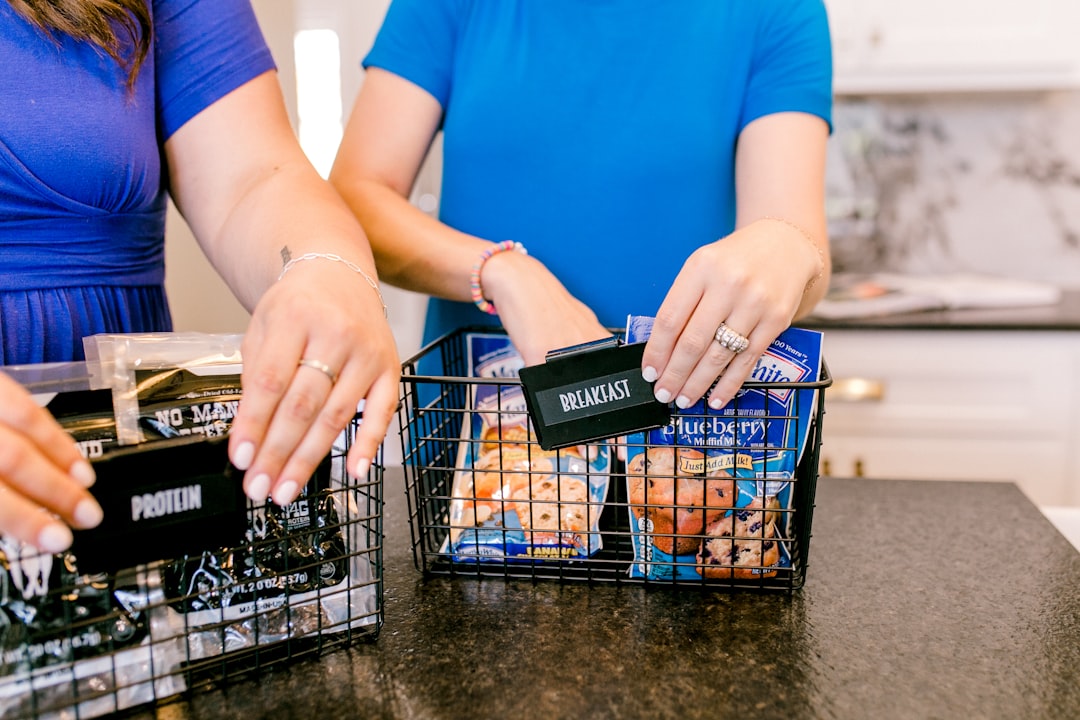
The main reasons meal prep fails include unrealistic expectations, improper storage, and lack of variety. An effective system begins with selecting 2–3 base staples like oats, lentils, and root vegetables, which are affordable in UK supermarkets such as Aldi and Lidl. Next, plan meals in pairs or trios to rotate flavours and textures, reducing monotony. Storage is critical: the NHS food safety storage times recommend cooked meals be refrigerated within two hours and consumed within 3–4 days to avoid spoilage. Label meals with preparation dates and use airtight containers sized to individual portions. Shopping midweek for fresh ingredients like greens or eggs replenishes variety without bulk waste. This stepwise approach aligns with advice from Money Saving Expert on reducing food waste and stretching budgets effectively.
Stop paying someone else to tell you what to eat. For just £49.99, the Kira Mei Nutrition Blueprint teaches you how to build your own realistic, flexible meal plans that fit your life — no gimmicks, no automated nonsense. Realise you don’t need a personal trainer or app to get your nutrition right. Get the blueprint here: https://www.kiramei.co.uk/nutrition
The Fix: A More Realistic System for Imperfect Weeks
Three common meal prep mistakes that cause failure are excessive meal variety, ignoring portion sizes, and inflexible schedules. Excessive variety increases preparation time and ingredient costs, while ignoring portion sizes results in overeating or persistent hunger. Inflexible schedules do not account for fluctuating appetite or social plans, creating pressure to stick rigidly to meals that may no longer appeal. Realistic solutions include limiting meals to 2–3 variants per week, using a kitchen scale or standard containers to measure portions, and allowing midweek swaps or fresh cooking days. This flexibility reduces stress and supports sustained commitment even when life disrupts plans.
How to Build Meal Prep Into Your Life, Not Around It
Meal prep success comes from integrating it into your lifestyle rather than forcing it around busy days. Research shows that 60% of UK adults find it easier to stick to habits that fit their existing routines. For example, preparing breakfast oats or overnight soaked beans the night before reduces morning rush stress. Using the NHS Eatwell Guide as a framework ensures meals include balanced portions from all food groups, promoting fullness and nutrition. Batch cooking on weekends combined with quick fresh additions like salads or eggs can maintain variety without extra time. Consistency over perfection is key; even partial prep saves time and money and improves diet quality.
Stop paying for automated plans that don’t adapt to you. The Kira Mei Nutrition Blueprint (£49.99) arms you with the knowledge to create your own meal plans that actually work — no personal trainer required.
A Simpler Starting Point That Actually Sticks
Start by choosing three cheap staple foods that keep you full longer, such as oats, lentils, and eggs. Plan two meals per day involving these staples and prepare enough for three days initially. Use labelled containers that match your hunger levels to avoid waste. Midweek, restock fresh vegetables or a protein source to refresh meals without bulk cooking. Keep flavour simple with herbs, spices, or sauces on hand. Set a calendar reminder to shop and prep on specific days to build rhythm.
Frequently Asked Questions
What are the cheapest foods that keep you full for longer in the UK?
The cheapest foods that keep you full longer in the UK include oats, lentils, beans, eggs, and root vegetables. These foods provide fibre and protein, which slow digestion and prolong fullness. According to the British Nutrition Foundation, combining these staples supports sustained energy and satiety on a budget.
How can I meal prep cheaply without food going to waste?
To meal prep cheaply without waste, plan meals for 3–4 days, store cooked food in airtight containers, and label with preparation dates. The NHS recommends consuming cooked meals within 3–4 days. Shopping midweek for fresh ingredients replenishes variety and reduces spoilage, aligning with Money Saving Expert's food waste advice.
Which UK supermarkets offer the best value for budget meal prep staples?
Supermarkets like Aldi and Lidl are known for affordable prices on staples such as oats, lentils, beans, and eggs. These retailers provide budget-friendly options that support meal prep without compromising quality, according to widely reported consumer price comparisons in the UK.
Why do most meal prep plans fail by midweek?
Most meal prep plans fail by midweek due to over-ambitious variety, incorrect portion sizes, and food spoilage. The British Nutrition Foundation highlights that sustainable meal prep requires manageable portions and seasonal ingredients to maintain freshness and motivation throughout the week.
What is a simple meal prep plan for beginners on a budget?
A simple meal prep plan for beginners includes selecting 2–3 cheap, filling staples like oats, lentils, and eggs; preparing meals for 3 days; and using portion-sized containers. Incorporate fresh vegetables midweek and keep seasonings simple. This approach balances cost, nutrition, and practicality for sustained success.
Stop paying for cookie-cutter plans. Get the Kira Mei Nutrition Blueprint for £49.99 and learn how to build your own meal plans that fit your life and budget: https://www.kiramei.co.uk/nutrition
Disclaimer: This article is for informational purposes only and does not constitute medical, nutritional, or professional fitness advice. Always consult a qualified healthcare professional before making changes to your diet or exercise routine.