Tag: nutrition-uk

  • How to Turn Meal Prep into Different Meals UK: Smart Protein Tips

    Turning meal prep into varied meals is essential for maintaining a balanced diet without monotony, especially for adults over 40 whose metabolism changes. With protein being the most costly macronutrient, knowing specific high-protein UK supermarket options and how to repurpose them efficiently can save both money and time. This guide reveals the cheapest protein sources, common mistakes to avoid, and practical meal structuring tips to maximise nutritional intake while keeping costs low. For more on meal planning UK, see our guide.

    According to the NHS calorie guidelines: The NHS recommends an average of 2,000 calories per day for women and 2,500 for men, though this varies based on your size and activity level.

    Why Protein Is the Hardest Macro to Hit on a Budget

    Protein is a macronutrient essential for muscle maintenance, immune function, and overall health, especially for adults over 40 whose needs increase due to natural muscle loss. The NHS recommends a minimum intake of 0.75 grams per kilogram of body weight daily, with increased needs for older adults [NHS protein intake recommendations]. Protein sources tend to be more expensive per calorie than carbohydrates or fats, making budget adherence difficult. Meat, dairy, and fish prices fluctuate, and many high-protein plant-based foods require larger quantities to meet equivalent protein amounts. The cost per gram of protein can be double or more compared to carbs, highlighting why protein is the hardest macro to consistently meet without overspending in the UK.

    The Cheapest High-Protein Foods in UK Supermarkets Right Now

    The cheapest high-protein foods available in UK supermarkets include canned tuna, eggs, dried lentils, frozen chicken thighs, and natural yoghurt. According to Money Saving Expert's cheap food guide, dried lentils cost as little as 20p per 100g providing 9g of protein, while frozen chicken thighs average £2.50 per kg with 24g protein per 100g [Money Saving Expert cheap food guide]. Eggs are around 10p each and pack 6g protein. Bulk canned tuna in brine provides 25g protein per 100g and costs about £1.10 per tin. To optimise budget and variety, buy these staples in bulk from supermarkets such as Aldi or Lidl, which consistently offer the best prices for protein sources in the UK. Cooking lentils once can generate multiple meals like dhal, salads, or patties, while chicken thighs can be roasted, shredded, or curried to diversify meals.

    Stop paying someone to tell you what to eat. Instead, get the Kira Mei Full Stack Blueprint Bundle for just £79.99. This educational blueprint teaches you how to build your own fitness and meal plans tailored for over 40s — no generic programmes, no wasted effort, no personal trainers taking your money for obvious advice. Realise your potential by learning the full system yourself.

    How to Structure Your Meals Around Budget Protein Sources

    The three common mistakes that reduce meal prep variety and nutrition on a budget are: 1) relying on a single protein source daily, causing monotony and nutrient gaps; 2) neglecting to repurpose cooked proteins into new dishes, resulting in food waste; 3) overemphasising carbohydrates which fill but don’t support muscle maintenance. These lead to poor adherence and missed protein targets. Structuring meals should begin with choosing 2-3 affordable protein bases per week—such as chicken thighs, eggs, and lentils—then planning 3-4 different meals per protein. For example, roast chicken can become sandwiches, salads, or pasta toppings. Lentils can appear as soup, curry, or burgers. This approach ensures variety, cost control, and meets the 1.0–1.2 grams/kg protein target recommended for adults over 40 [British Nutrition Foundation protein and health].

    Common Mistakes When Eating High-Protein on a Budget

    Contrary to popular belief, consuming expensive protein supplements or premium cuts is not necessary to meet protein goals efficiently. One common mistake is prioritising convenience over cost, leading to reliance on pre-packaged meals or protein bars that cost £2–£3 per serving versus whole foods costing under £1. Another error is ignoring plant-based proteins, which can be more cost-effective and versatile; dried beans and lentils provide 20–25p per 100g and offer 9–10g protein [Money Saving Expert cheap food guide]. Additionally, failing to diversify cooking methods reduces appeal and increases food waste. The British Nutrition Foundation highlights that combining animal and plant proteins can meet nutritional needs while reducing grocery bills [British Nutrition Foundation protein and health].

    Kira Mei takes the guesswork out of getting fit after 40 — no generic plans, no wasted effort.

    Your High-Protein Budget Meal Plan for the Week

    Start your week by purchasing budget-friendly proteins: 1kg frozen chicken thighs, 500g dried lentils, a dozen eggs, and natural yoghurt. On day one, roast chicken thighs seasoned with herbs for dinner; use leftovers shredded for salads and wraps on days two and three. Cook a large batch of lentil dhal to serve with rice, and turn leftovers into lentil patties for lunches. Incorporate boiled eggs as snacks or added to salads. Rotate natural yoghurt with fresh berries for breakfasts. Prepare all proteins on Sunday to save time. This meal plan meets the NHS’s protein recommendations for adults over 40 and manages costs effectively.

    Frequently Asked Questions

    How can I turn one batch of meal prep into multiple meals in the UK?

    You can turn one batch of meal prep into multiple meals by cooking versatile proteins like chicken thighs, lentils, or eggs in bulk, then varying seasonings, cooking styles, and accompaniments. For example, roast chicken can be shredded for salads or sandwiches, and lentils can be turned into dhal or patties. This method saves time and helps adults over 40 hit their protein targets affordably.

    What are the cheapest high-protein foods available in UK supermarkets?

    The cheapest high-protein foods in UK supermarkets include dried lentils at around 20p per 100g, eggs at 10p each, canned tuna for about £1.10 per tin, frozen chicken thighs costing approximately £2.50 per kg, and natural yoghurt. These options provide between 6g and 25g of protein per serving and are suitable for budget-conscious adults over 40.

    How much protein should adults over 40 consume daily according to the NHS?

    The NHS recommends adults consume at least 0.75 grams of protein per kilogram of body weight daily, with older adults over 50 needing around 1.0 to 1.2 grams per kilogram, especially if physically active. This helps counteract muscle loss and supports metabolism.

    What common mistakes reduce protein intake efficiency on a budget?

    Common mistakes include relying on a single protein source, not repurposing cooked proteins into different meals leading to waste, and overconsuming carbohydrates instead of prioritising protein. These errors can lower protein intake quality and increase food costs.

    How can I plan a high-protein budget meal plan for the week in the UK?

    Plan by purchasing affordable proteins like frozen chicken thighs, dried lentils, eggs, and natural yoghurt in bulk. Cook in large batches and create multiple meals by varying seasoning and meal formats. For example, roast chicken can serve as a main dish, salad topping, or sandwich filling, ensuring variety and meeting protein targets economically.

    Stop paying someone to tell you what to do. For £49.99, grab the Kira Mei Full Stack Blueprint Bundle and learn how to build your own fitness and meal plans. No personal trainers, no generic programmes, just the real blueprint to take control yourself.

    Disclaimer: This article is for informational purposes only and does not constitute medical, nutritional, or professional fitness advice. Always consult a qualified healthcare professional before making changes to your diet or exercise routine.



  • How to Use Up Leftover Chicken UK Cheap Meals for Beginners

    Leftover chicken is a valuable protein source that can be transformed into budget-friendly meals across the UK. Using leftover chicken efficiently not only reduces food waste but also supports nutritional needs, especially for adults over 40 whose metabolism changes. By combining affordable staple foods and strategic meal planning, you can create varied, nutritious dishes without overspending. This guide offers practical, cost-effective meal ideas and protein budgeting tips suitable for UK kitchens. For more on meal planning UK, see our guide.

    According to the NHS calorie guidelines: The NHS recommends an average of 2,000 calories per day for women and 2,500 for men, though this varies based on your size and activity level.

    Why Protein Is the Hardest Macro to Hit on a Budget

    Protein is a macronutrient essential for muscle repair, hormone production, and metabolic health, especially for adults over 40. The NHS recommends a daily intake of 0.75 grams per kilogram of body weight, but individuals over 40 often require slightly higher intakes to counteract age-related muscle loss NHS protein intake recommendations. Achieving this on a budget is challenging because protein sources tend to be more expensive per calorie than carbohydrates or fats. For example, chicken breast costs approximately £4.50/kg, while rice is closer to £1.00/kg. Balancing cost and nutritional value demands strategic shopping and meal planning. Protein is also harder to store and prepare cost-effectively, as fresh meat has a shorter shelf life compared to bulk carbs or frozen vegetables. This complexity makes protein the most challenging macro to consistently consume within a tight budget.

    The Cheapest High-Protein Foods in UK Supermarkets Right Now

    Chicken thighs and whole chickens are among the cheapest high-protein options currently available in UK supermarkets like Tesco, Asda, and Lidl. Whole chickens cost approximately £2.50–£3.00 per kilogram and yield about 20–25 grams of protein per 100 grams cooked. Tinned sardines and mackerel are also economical, priced around 70p–£1.20 per tin, providing 20–25 grams of protein each and long shelf lives. Eggs remain a cost-efficient protein source at roughly 12p per egg with 6 grams of protein each. Frozen peas and beans, costing about £1.00 per bag, offer plant-based protein alongside fibre and vitamins. Combining these items with leftover chicken maximises protein density per pound spent. According to Money Saving Expert's cheap food guide, shopping in discount supermarkets like Aldi or Lidl can reduce protein costs by up to 30% compared to mainstream chains Money Saving Expert cheap food guide.

    Stop paying someone else to tell you what to eat and how to train. For £49.99, get the Kira Mei Nutrition Blueprint — a no-nonsense educational programme that teaches you how to build your own nutrition plans tailored to your needs. No gimmicks, no personal trainers wasting your time or money. Realise your potential by learning the skills to plan and execute your own nutrition strategy.

    How to Structure Your Meals Around Budget Protein Sources

    The three biggest mistakes that increase meal costs and reduce protein intake are relying exclusively on expensive protein cuts, neglecting plant-based protein complements, and overlooking meal prep to avoid waste. First, buying only chicken breasts or pre-cooked products inflates costs; switching to thighs or whole birds lowers price per gram of protein. Second, excluding affordable plant-based proteins like lentils, beans, or frozen peas misses opportunities to extend protein servings without extra meat. Third, failing to plan meals around leftover chicken often leads to food spoilage and unnecessary purchases. By incorporating these budget-conscious strategies, meals become both nutritionally balanced and cost-effective. This approach supports sustained protein intake crucial for adults over 40 managing metabolism changes and muscle health British Nutrition Foundation protein and health.

    Common Mistakes When Eating High-Protein on a Budget

    Contrary to popular belief, the most expensive protein sources are not always the most effective for muscle maintenance on a budget. Evidence shows that excessive focus on premium cuts like chicken breast or steak leads to overspending without significant nutritional gain compared to cheaper alternatives like thighs or tinned fish. Additionally, many underestimate the role of plant-based proteins in achieving daily targets. The British Nutrition Foundation notes that combining plant and animal proteins can optimise amino acid profiles and reduce grocery bills British Nutrition Foundation protein and health. Another common error is ignoring portion control; consuming larger-than-needed servings inflates costs and can lead to excess calorie intake. Finally, some buyers overlook supermarket own brands, which offer similar protein content at lower prices. Avoiding these mistakes results in more efficient nutrition spending.

    Kira Mei takes the guesswork out of getting fit after 40 — no generic plans, no wasted effort.

    Your High-Protein Budget Meal Plan for the Week

    Start your week by purchasing a whole chicken or thighs from a discount supermarket. On day one, roast the chicken and portion leftovers immediately. Use shredded chicken in a stir-fry with frozen mixed vegetables and brown rice on day two. On day three, make a chicken and bean soup using tinned cannellini beans and stock cubes. Day four can feature a baked potato topped with chicken and low-fat cottage cheese. Day five’s meal might be an egg and chicken salad with frozen peas and mixed leaves. Prepare all meals in advance to reduce waste and spread protein intake evenly.

    Frequently Asked Questions

    How can I use leftover chicken to make cheap meals in the UK?

    You can use leftover chicken in cheap UK meals by combining it with affordable staples like frozen vegetables, tinned beans, and wholegrain rice or pasta. Incorporate shredded chicken into stir-fries, soups, or salads. This approach boosts protein intake while keeping costs low and reducing food waste.

    What are the cheapest high-protein foods available in UK supermarkets?

    Cheap high-protein foods in UK supermarkets include whole chickens (£2.50–£3.00 per kg), chicken thighs, tinned sardines and mackerel (70p–£1.20 per tin), eggs (about 12p each), and frozen peas or beans (around £1.00 per bag), offering high protein at low cost.

    How much protein should adults over 40 consume daily according to the NHS?

    The NHS recommends adults consume 0.75 grams of protein per kilogram of body weight daily, with slightly increased needs after 40 years old to support muscle maintenance and metabolism NHS protein intake recommendations.

    What are common mistakes when trying to eat high-protein on a budget?

    Common mistakes include only buying expensive protein cuts, ignoring affordable plant-based proteins, lacking meal prep leading to waste, and overlooking supermarket own brands that offer similar protein at lower prices British Nutrition Foundation protein and health.

    How can I plan a week's worth of high-protein budget meals using leftover chicken?

    Plan a week by roasting a whole chicken, then using leftovers in stir-fries, soups, baked potatoes with cottage cheese, and salads with frozen peas. Prepare meals in advance to minimise waste. This method ensures balanced protein intake and cost efficiency for adults over 40.

    Ready to take control? Stop handing over cash for cookie-cutter plans. For just £49.99, grab the Kira Mei Nutrition Blueprint and learn how to build your own nutrition programme that actually works for you — no personal trainers, no fluff, just results.

    Disclaimer: This article is for informational purposes only and does not constitute medical, nutritional, or professional fitness advice. Always consult a qualified healthcare professional before making changes to your diet or exercise routine.
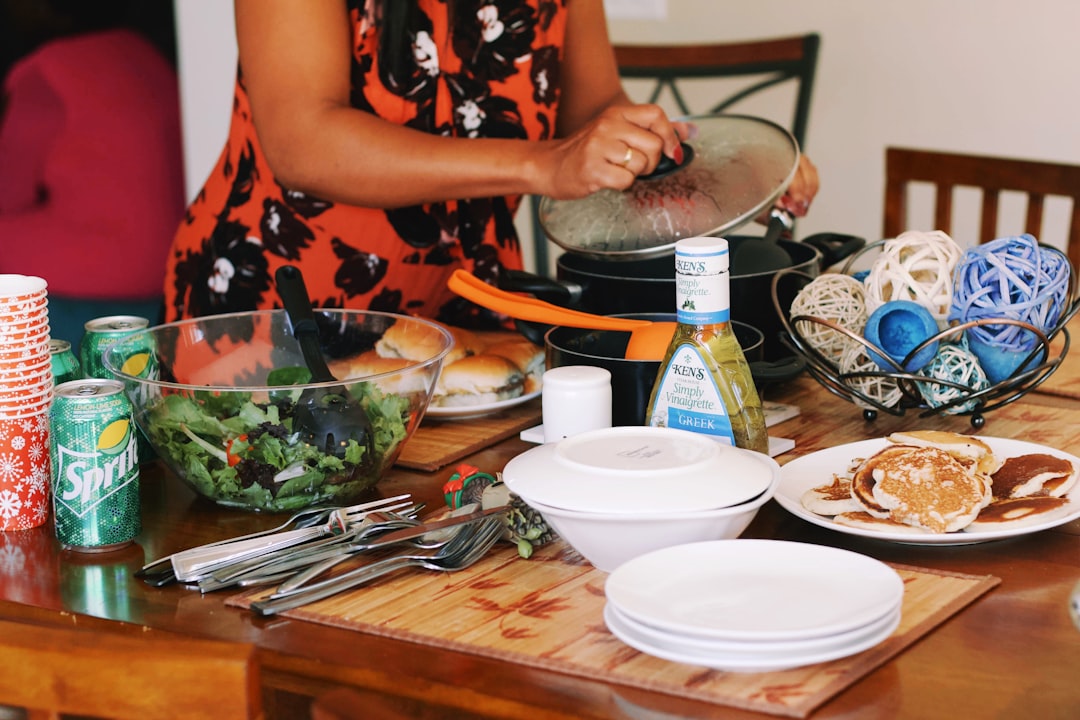

  • How to Use Up Leftover Vegetables UK Budget Meals Made Simple

    Leftover vegetables often go to waste because many meal plans don’t fit real-life schedules or midlife metabolic changes. Around 1.9 million tonnes of food is wasted annually in UK homes, much of it fresh produce. This guide offers practical, efficient strategies to turn those vegetables into budget-friendly meals that work with your lifestyle. Instead of complex prep routines that fail by midweek, discover simple systems designed for adults over 40 who want to save money, reduce waste, and eat well without extra stress. For more on meal planning UK, see our guide.

    According to the NHS calorie guidelines: The NHS recommends an average of 2,000 calories per day for women and 2,500 for men, though this varies based on your size and activity level.

    Why Most Meal Prep Attempts Fail by Wednesday

    Meal prep is the practice of preparing meals in advance, often for a full week. However, most meal prep attempts fail by midweek due to overambitious plans, lack of variety, and improper storage. According to Money Saving Expert food waste advice, many UK households throw away perfectly edible food because it spoils before it can be eaten. This is especially true for vegetables, which can wilt or rot quickly without proper handling. When meals feel repetitive or unappetising, motivation to stick to the plan drops sharply. Additionally, overestimating appetite or energy levels can lead to uneaten meals. These factors combine to cause waste and frustration, making meal prep seem like a chore rather than a help.

    The Real Reasons Your Prep Doesn't Survive the Week

    The main reason meal prep fails is a mismatch between the plan and daily life realities. A sustainable system requires three elements: realistic portion sizes, flexible recipes, and strategic storage. Portion sizes should reflect changing hunger levels, especially as metabolism slows with age. Flexible recipes that use interchangeable vegetables can adapt to what’s leftover, reducing waste. Proper storage is critical; the NHS food safety storage times recommend specific fridge and freezer durations to keep vegetables safe and fresh. Shopping at UK supermarkets like Aldi, Lidl, or Tesco allows you to select fresh produce with longer shelf lives and plan meals around seasonal offers. Breaking prep into smaller sessions during the week rather than one big day can also help maintain freshness and reduce burnout.

    If you'd rather not figure this out alone, stop paying someone to tell you what to do. Instead, get the Kira Mei Full Stack Educational Blueprint for just £79.99. This no-nonsense programme teaches you exactly how to build your own meal and fitness plans that fit your life — no fluff, no cookie-cutter rubbish. Realise you don’t need a personal trainer to get results; you just need the right system and knowledge.

    The Fix: A More Realistic System for Imperfect Weeks

    The three common mistakes that derail meal prep are: 1) Planning for perfection, which leads to rigid menus that don’t accommodate changes in appetite or schedule, causing waste. 2) Ignoring storage guidelines, which results in vegetables spoiling faster than expected. 3) Overcomplicating recipes, which makes cooking feel overwhelming and reduces the chance of sticking to the plan. These mistakes lead to uneaten food and lost money. Instead, embracing flexibility with simple staple recipes like vegetable stir-fries or soups that can be adjusted daily encourages consistent use of leftovers. Following Money Saving Expert food waste advice helps avoid overbuying and ensures all vegetables get used.

    How to Build Meal Prep Into Your Life, Not Around It

    Building meal prep into life means creating a system that fits your work, family, and energy rhythms instead of forcing your life to fit the meal plan. Research from the British Nutrition Foundation sustainable healthy eating highlights that sustainable diets not only benefit health but also reduce environmental impact. For adults over 40, meal prep should focus on nutrient-dense vegetables stored properly and used promptly. Preparing versatile vegetable bases like roasted or steamed mixes early in the week allows quick adaptation into different dishes. Using freezing strategically extends usability without compromising nutrition. Planning smaller cooking sessions 2-3 times weekly aligns better with fluctuating energy and lifestyle demands. This approach reduces waste, saves time, and better supports midlife metabolic changes.

    Kira Mei takes the guesswork out of getting fit after 40 — no generic plans, no wasted effort.

    A Simpler Starting Point That Actually Sticks

    Start by selecting 3–5 common vegetables that store well, such as carrots, broccoli, and peppers. Use airtight containers and follow NHS food safety storage times for maximum freshness. Cook or roast these vegetables in bulk twice a week, then combine them into simple meals like stir-fries, soups, or omelettes using store-cupboard staples. Keep recipes flexible to swap vegetables depending on what’s leftover. Set a reminder midweek to check vegetable freshness and plan meals accordingly. This straightforward system avoids the overwhelm of full weekly prep and adapts to your energy levels.

    Frequently Asked Questions

    How can I use leftover vegetables quickly to avoid waste?

    Use leftover vegetables within 2–3 days by storing them in airtight containers in the fridge, following NHS food safety storage times. Turn them into soups, stir-fries, or casseroles that can be frozen or eaten immediately to reduce waste and save money.

    What are budget-friendly meals to make with leftover vegetables in the UK?

    Budget-friendly meals include vegetable stir-fries, soups, frittatas, and pasta dishes. Using seasonal vegetables from UK supermarkets and combining them with staples like rice or lentils stretches ingredients and keeps costs low.

    How does proper storage extend the life of leftover vegetables?

    Proper storage in airtight containers and correct fridge temperatures can extend vegetable freshness by up to 3–5 days, according to NHS food safety storage times. Freezing cooked vegetables also preserves nutrients and usability for up to 3 months.

    Why is meal prep often unsuccessful for people over 40?

    Meal prep often fails for those over 40 due to metabolic changes affecting appetite and energy, leading to over- or under-portioning. Rigid plans that don’t allow flexibility or proper storage also cause food waste and loss of motivation.

    What simple system helps reduce vegetable waste in UK homes?

    A simple system involves cooking vegetables in bulk 2–3 times weekly, storing them correctly, and using versatile recipes that adapt to leftover ingredients. This approach aligns with Money Saving Expert food waste advice and fits busy UK lifestyles.

    Stop paying someone to tell you what to do. Instead, grab the Full Stack Educational Blueprint for £79.99 and learn how to build your own plans that actually work for you.

    Disclaimer: This article is for informational purposes only and does not constitute medical, nutritional, or professional fitness advice. Always consult a qualified healthcare professional before making changes to your diet or exercise routine.


  • How to Make a Weekly Meal Plan from Your Freezer UK: Beginner’s Guide

    Food waste costs UK households over £700 annually, much of it due to poor meal planning and storage. Creating a weekly meal plan from your freezer can drastically cut this cost while ensuring nutritious meals. This guide breaks down the exact systems to organise your freezer, shop smart, and plan meals that use every ingredient, designed for UK adults who want to eat well and save money. For more on meal planning UK, see our guide.

    According to the NHS calorie guidelines: The NHS recommends an average of 2,000 calories per day for women and 2,500 for men, though this varies based on your size and activity level.

    How Much Food UK Households Waste (And What It's Costing You)

    Food waste in the UK refers to edible food discarded by households, with an estimated 4.5 million tonnes wasted annually. This amounts to approximately £700 per household each year lost due to food not being consumed. According to the Money Saving Expert food waste guide, poor meal planning and impulse buying contribute heavily to this figure. Reducing this waste can free up significant monthly budget and reduce environmental impact. Understanding these costs is the first step toward adopting a more efficient meal planning and freezer use system.

    The Shopping Habits That Create Waste Without You Noticing

    Impulse purchases and bulk buying without a plan often cause hidden food waste. The system to avoid this includes preparing a weekly shopping list based on your existing freezer inventory, shopping once or twice weekly at supermarkets like Tesco or Sainsbury’s, and sticking strictly to the list. Buying only the quantities you need avoids overstocking. Additionally, scheduling your shopping trips after checking your freezer contents prevents duplication. Shopping this way aligns with the habits of efficient UK households and reduces the risk of forgotten frozen items.

    Stop paying personal trainers to tell you what you can learn yourself. For just £49.99, the Kira Mei Nutrition Blueprint teaches you how to build your own nutrition plans tailored to your needs — no fluff, no gimmicks, no overpriced coaching. Realise your potential without handing over hundreds to someone else.

    How to Plan Meals That Use Every Ingredient You Buy

    The three main mistakes in meal planning that create waste are buying without a plan, failing to use leftovers, and ignoring ingredient overlap. Buying without a plan means you purchase items that don’t fit into meals and end up expiring. Not using leftovers discards perfectly good food that could have been repurposed. Ignoring ingredient overlap results in forgotten ingredients spoiling. Planning meals that share ingredients, like using frozen spinach in both soups and stir-fries, ensures everything serves multiple meals. This approach reduces waste and simplifies shopping.

    Storage and Freezing: The System That Doubles Your Food's Lifespan

    Freezing food correctly can double or triple its lifespan, with many items safe for 3 months or more when stored properly. According to NHS food safety and storage advice, using airtight containers or freezer bags and labelling with dates prevents freezer burn and confusion. Freezing meals in portion-sized containers also ensures you only defrost what you need. Separating raw and cooked foods in the freezer avoids cross-contamination. This system preserves nutrient quality and supports efficient meal planning.

    Kira Mei takes the guesswork out of getting fit after 40 — no generic plans, no wasted effort.

    Your Zero-Waste Weekly Meal Plan

    Start by listing all frozen items with purchase or freeze dates. Next, select 3-4 meals for the week that use these ingredients, focusing on overlap to reduce waste. Plan your shopping list to fill gaps only. Schedule thawing times in advance, ideally the night before cooking. Use a whiteboard or app to track what you’ve eaten and what remains. Repeat this cycle weekly to maintain control.

    Frequently Asked Questions

    How do I make a weekly meal plan from my freezer in the UK?

    Start by taking stock of all frozen items and their freeze dates. Choose meals that use overlapping ingredients to avoid waste. Plan your week’s meals around these items, schedule thawing times, and shop only for fresh ingredients needed. This system reduces food waste and saves money, reflecting practices recommended in UK food waste guides.

    What foods can I freeze and how long do they last in the UK freezer?

    Most cooked meals and raw ingredients like meat, vegetables, and bread can be frozen. According to NHS food safety guidelines, meat can be frozen safely for up to 6 months, vegetables for 8-12 months, and cooked meals typically for 2-3 months. Proper packaging and labelling are essential to maintain quality.

    How can I avoid wasting food when meal planning from my freezer?

    Avoid waste by planning meals that use ingredients already frozen, overlapping items in multiple recipes, and scheduling thaw times to consume food promptly. Regularly rotate your freezer stock, using the oldest items first. This approach aligns with UK sustainable eating advice to reduce household waste.

    What are the best UK supermarkets for freezer-friendly shopping?

    Supermarkets like Tesco, Sainsbury’s, and Aldi offer a wide range of freezer-friendly products, including frozen vegetables, meats, and ready meals. Shopping these stores with a planned list based on your freezer inventory reduces impulse buys and waste. They also provide economical bulk-buy options suited for freezer storage.

    How does freezing food help with nutrition for over 40s?

    Freezing preserves most nutrients in food, maintaining vitamin and mineral content. For adults over 40, freezing allows for consistent access to balanced meals rich in protein and fibre, supporting metabolism changes described by the NHS Eatwell Guide. This helps maintain energy and muscle mass effectively.

    Stop paying someone else to tell you what to eat. For £79.99, the Kira Mei Nutrition Blueprint gives you the tools and knowledge to create your own nutrition programme — no personal trainers, no cookie-cutter plans, just straightforward, honest guidance that puts you in control.

    Disclaimer: This article is for informational purposes only and does not constitute medical, nutritional, or professional fitness advice. Always consult a qualified healthcare professional before making changes to your diet or exercise routine.


  • How to Use a Weekly Food Budget Spreadsheet UK for Beginners

    Managing a weekly food budget spreadsheet helps UK households control spending, reduce food waste, and plan healthy meals efficiently. Food waste costs the average UK family £700 annually, much of it avoidable through better shopping, planning, and storage. This guide breaks down how to create a practical system that matches your weekly needs, minimises waste, and supports a balanced diet tailored for adults over 40 with changing metabolism and nutrition requirements. For more on eating healthy on a budget UK, see our guide.

    According to the NHS calorie guidelines: The NHS recommends an average of 2,000 calories per day for women and 2,500 for men, though this varies based on your size and activity level.

    How Much Food UK Households Waste (And What It's Costing You)

    Food waste is the amount of edible food discarded by households, currently costing the average UK family about £700 annually. According to the Money Saving Expert food waste guide, a significant proportion of this waste happens because food is bought impulsively or in bulk without a plan. Leftover perishables often end up in the bin rather than the freezer. This waste also contributes to environmental impact and unnecessary energy use. Understanding this cost is the first step to managing your food budget better.

    The Shopping Habits That Create Waste Without You Noticing

    Impulse buying and poor list-making are common reasons for food waste. Many shoppers in the UK visit supermarkets like Tesco or Sainsbury's multiple times a week without a concrete plan, leading to excess purchases. A practical system involves planning meals for the week first, then creating a shopping list strictly based on that plan. Shopping once weekly reduces impulse buys. Timing your shopping trips close to meal preparation days ensures fresher ingredients and less spoilage. Using a weekly food budget spreadsheet UK allows you to compare planned versus actual purchases, highlighting patterns of waste.

    If you want to stop paying someone to tell you what to eat and start making your own plans that actually work, the Kira Mei Full Stack Educational Blueprint is for you. For just £49.99 (or £79.99 for the full bundle), you get a no-nonsense, step-by-step programme that teaches you how to build your own meal and fitness plans — ditch the generic rubbish and take control yourself.

    How to Plan Meals That Use Every Ingredient You Buy

    Three common planning mistakes cause food waste: buying ingredients for single-use meals, ignoring overlapping ingredients, and failing to repurpose leftovers. When you buy unique ingredients for each recipe without overlap, excess items spoil before use. Overlapping ingredients—such as onions, garlic, or frozen peas—can be used across multiple meals, reducing waste. Not planning how leftovers will be incorporated creates unnecessary bin fodder. A weekly food budget spreadsheet UK helps integrate recipes that share ingredients, improving efficiency and saving money.

    Storage and Freezing: The System That Doubles Your Food's Lifespan

    Contrary to common belief, proper freezing can extend the life of many foods up to 6 months or longer. The NHS food safety and storage guidelines advise freezing cooked meals within 48 hours and using airtight containers or freezer bags to prevent freezer burn. Label foods with dates and portion sizes to manage usage effectively. Vegetables like carrots and broccoli can be blanched and frozen, preserving nutrients. Storing bread in the freezer stops mould growth, extending shelf life by weeks. This system cuts down on weekly waste dramatically.

    Kira Mei takes the guesswork out of getting fit after 40 — no generic plans, no wasted effort.

    Your Zero-Waste Weekly Meal Plan

    Start by setting a fixed shopping day and planning meals around overlapping ingredients such as chicken, potatoes, and seasonal vegetables. Use your spreadsheet to list these meals, quantities, and costs. Prepare meals in batches and freeze portions to avoid last-minute takeaways. Include snacks made from bulk purchases like oats or nuts. Review leftovers and update your spreadsheet weekly to refine the plan. This disciplined approach reduces waste and saves money.

    Frequently Asked Questions

    How do I start using a weekly food budget spreadsheet in the UK?

    Begin by listing all meals planned for the week and note the ingredients needed with estimated prices from UK supermarkets. Track actual spending and adjust future plans accordingly. This method helps control costs and reduce food waste.

    What is the average UK household food waste cost I can reduce?

    The average UK family wastes about £700 worth of food annually, much of which can be avoided by accurate meal planning and using a weekly food budget spreadsheet to manage shopping and leftovers.

    Which foods last longest in the freezer according to UK guidelines?

    According to NHS food safety advice, cooked meals frozen within 48 hours can last up to 3 months, while blanched vegetables can be stored for up to 6 months, extending their lifespan significantly.

    How can a weekly food budget spreadsheet help prevent impulse buying?

    By planning meals and listing exact ingredients with costs, the spreadsheet provides a clear shopping list that limits impulse purchases and reduces overbuying, cutting down food waste.

    What ingredients should I buy to overlap meals and reduce waste?

    Ingredients like onions, garlic, potatoes, seasonal vegetables, and staple proteins can be used across multiple meals, improving efficiency and reducing spoilage when planned in a weekly food budget spreadsheet.

    Ready to stop paying someone else to tell you what to do? Get the Kira Mei Full Stack Educational Blueprint for just £49.99 or £79.99 for the full bundle — learn how to build your own plans and take control.

    Disclaimer: This article is for informational purposes only and does not constitute medical, nutritional, or professional fitness advice. Always consult a qualified healthcare professional before making changes to your diet or exercise routine.


  • How to Plan 7 Dinners on £35 UK: Budget-Friendly Meal Ideas

    How to Plan 7 Dinners on £35 UK: Budget-Friendly Meal Ideas

    Planning seven dinners on a £35 budget in the UK is achievable with careful meal planning and smart shopping. Whether you’re managing a tight student budget, cooking for one, or feeding a family, understanding portion control, choosing versatile ingredients, and prioritising nutritious meals will stretch your money further. This guide offers practical steps to plan balanced, affordable dinners that fit your lifestyle without compromising flavour or health. For more on meal planning UK, see our guide.

    Why Generic Meal Prep Advice Fails Most People

    Meal prep is the practice of preparing meals ahead of time to save effort and money. However, generic meal prep advice often fails because it assumes a standard household or lifestyle. For example, advice that works for a family of four might not suit a single person or a student with irregular schedules. According to the British Nutrition Foundation healthy eating across life stages, nutritional needs vary significantly with age and activity levels. Additionally, generic plans may recommend ingredients or quantities that don’t align with local supermarket prices or availability. Without adjusting for these factors, food waste and overspending become common. Tailoring meal planning to your specific life stage and household size ensures meals are both affordable and nutritionally balanced.

    Budget Meal Prep for Your Situation: Student, Solo, or Family

    Budget meal prep requires a clear understanding of your household’s size and needs. For students, shopping at budget-friendly supermarkets such as Aldi or Lidl and focusing on versatile staples like pasta, lentils, and frozen vegetables can reduce costs. Set aside 1–2 hours once a week to batch cook meals, such as chilli con carne or vegetable curry, which can be portioned for several dinners. Solo cooks should plan smaller portions and use ingredients that can be repurposed across meals, limiting waste. Families benefit from bulk buys and recipes that scale easily, such as casseroles or stews, which stretch ingredients and save time. Following the Money Saving Expert student and family budgeting tips helps identify supermarket deals and seasonal produce that fit your budget and preferences.

    Stop paying personal trainers or apps to tell you what to eat. For just £49.99, the Kira Mei Nutrition Blueprint teaches you how to build your own nutrition plans tailored to your needs. No gimmicks, no automated nonsense—just straightforward, expert guidance to help you realise what works for you and take control of your diet.

    The Shopping and Cooking Adjustments That Actually Make a Difference

    The three biggest mistakes that increase dinner costs are: buying pre-prepared or convenience foods, ignoring portion sizes, and neglecting seasonal shopping. Pre-prepared meals are almost always more expensive and less nutritious than homemade dishes. Over-serving leads to wasted food and money, while under-serving can cause extra snacking costs. Seasonal shopping dramatically reduces costs; for example, root vegetables and cabbage are cheaper and more available in autumn and winter. Planning meals around the NHS Eatwell Guide ensures balanced nutrition while keeping costs low. Cooking from scratch and freezing portions also prevent last-minute expensive takeaways.

    Scaling Up or Down Without Wasting Food or Money

    Adjusting meal quantities to household size without waste is a challenge often overlooked. Contrary to common belief, cooking slightly larger batches and freezing leftovers reduces per-meal costs by up to 30%. The NHS food safety storage guidelines recommend freezing cooked meals within two hours to maintain safety and quality. For households of one or two, freezing halves of meals prevents spoilage, while larger families can use batch cooking to cover several dinners. Scaling recipes proportionally and using ingredients with longer shelf lives, like dried pulses and frozen vegetables, also minimise waste and optimise budget use.

    Stop relying on apps to do the thinking for you. The Kira Mei Nutrition Blueprint (£49.99) arms you with the knowledge to create your own meal plans that suit your lifestyle and goals—no personal trainer required.

    A Week of Meals Tailored to Your Household Size

    Plan your shopping on a Sunday to prepare dinners for the week. For singles, cook one-pot meals like lentil stew in portions that freeze well. Couples might batch cook pasta bakes and add fresh salads on alternate days. Families can roast a whole chicken one day, using leftovers for soup or sandwiches. Start with a shopping list focused on seasonal vegetables, affordable proteins like beans or eggs, and store cupboard staples. Stick to the NHS Eatwell Guide proportions for balanced meals.

    Frequently Asked Questions

    How can I plan 7 dinners on £35 in the UK?

    Planning seven dinners on £35 in the UK is possible by focusing on budget-friendly staples, seasonal produce, and batch cooking. Using supermarkets like Aldi or Lidl and following the NHS Eatwell Guide helps you create nutritious meals that stretch your budget effectively.

    What are the cheapest supermarkets for meal planning in the UK?

    Aldi and Lidl are among the cheapest supermarkets in the UK for meal planning, offering competitive prices on fresh produce and staples. According to Money Saving Expert, shopping at these stores can reduce weekly food bills significantly.

    How do I avoid food waste when cooking on a budget?

    Avoid food waste by planning meals that use overlapping ingredients, storing leftovers correctly, and freezing portions quickly. The NHS food safety storage guidelines recommend freezing cooked meals within two hours to maintain quality and safety.

    Can I eat healthily on £35 a week for dinners?

    Yes, eating healthily on £35 a week for dinners is achievable by following the NHS Eatwell Guide, choosing balanced portions of protein, carbohydrates, and vegetables, and prioritising seasonal, local produce to keep costs down.

    What meals work best for batch cooking on a budget?

    Batch cooking meals like chilli con carne, vegetable curry, pasta bakes, and stews work best for budget cooking. These dishes use affordable ingredients, can be portioned for several days, and freeze well for future use.

    Take control of your nutrition today. Get the Kira Mei Nutrition Blueprint for £49.99 and learn how to build your own effective meal plans without paying someone else to do it for you.

    Disclaimer: This article is for informational purposes only and does not constitute medical, nutritional, or professional fitness advice. Always consult a qualified healthcare professional before making changes to your diet or exercise routine.


  • How to Reduce Portion Sizes Without Being Hungry UK Beginners Guide

    How to Reduce Portion Sizes Without Being Hungry UK Beginners Guide

    Reducing portion sizes can seem daunting when hunger strikes, but it is achievable with the right approach. Wasting food not only drains your wallet but also contributes to the UK throwing away £19 billion of edible food annually. By understanding how to plan meals efficiently, shop smartly, and store food properly, you can avoid hunger while saving money and cutting waste. For more on eating healthy on a budget UK, see our guide.

    How Much Food UK Households Waste (And What It's Costing You)

    Food waste is the edible food that is discarded or left uneaten, with UK households responsible for around 70% of this waste. The average UK household throws away approximately £700 of food annually. This waste not only affects your finances but also contributes significantly to greenhouse gas emissions. According to the Money Saving Expert food waste guide, much of this waste occurs because of buying too much, improper storage, or cooking portions that are too large. Reducing portion sizes directly impacts the amount of food wasted, thus saving money and supporting sustainability efforts.

    The Shopping Habits That Create Waste Without You Noticing

    Shopping habits often cause waste by encouraging the purchase of excessive or unsuitable quantities of food. A practical system includes preparing a detailed shopping list based on planned meals for the week, shopping once or twice weekly at large supermarkets like Tesco or Sainsbury’s to avoid impulse buys, and avoiding bulk purchases of perishable items unless freezing is planned. Using smaller baskets instead of trolleys limits overbuying. Buying versatile ingredients such as frozen vegetables and canned pulses reduces spoilage risk. Prioritise products with longer shelf lives and check sell-by dates carefully to ensure food lasts until use.

    Stop paying personal trainers or apps to tell you what to eat. For just £49.99, the Kira Mei Nutrition Blueprint teaches you how to build your own nutrition plans that fit your lifestyle and goals. No fluff, no guesswork, just a straightforward programme to help you realise how to eat smarter and waste less.

    How to Plan Meals That Use Every Ingredient You Buy

    The three mistakes that increase food waste are: 1) Not planning meals around overlapping ingredients, which leads to unused items spoiling; 2) Preparing portions that exceed appetite or nutritional needs, causing leftovers to be discarded; 3) Ignoring ingredient shelf life leading to premature spoilage. To prevent this, plan weekly meals that share ingredients—rice, carrots, onions and pulses appear in multiple dishes—maximising usage. Prepare exact portion sizes based on individual appetite to avoid excess. Use apps or spreadsheets to track what’s bought and consumed to inform future shopping and cooking.

    Storage and Freezing: The System That Doubles Your Food's Lifespan

    Proper storage and freezing can more than double the lifespan of many foods. Contrary to common assumptions, freezing does not reduce nutritional value significantly and safely preserves leftovers for up to three months. According to NHS food safety and storage guidelines, cooked meals should be cooled before freezing, stored in airtight containers, and labelled with dates to track freshness. Fresh meat and fish can be frozen immediately and kept for up to three months. Vegetables like peas, spinach and broccoli can be frozen raw or blanched for optimal quality. This system prevents spoilage, reduces waste, and allows smaller portions to be prepared and stored for later use.

    Stop paying personal trainers or apps to tell you what to eat. For just £49.99, the Kira Mei Nutrition Blueprint teaches you how to build your own nutrition plans that fit your lifestyle and goals. No fluff, no guesswork, just a straightforward programme to help you realise how to eat smarter and waste less.

    Your Zero-Waste Weekly Meal Plan

    Create a weekly meal plan with precise portions for each meal and snacks. Start by listing meals that share core ingredients, such as chicken, potatoes, and greens, limiting shopping to the combined quantities needed. Shop twice weekly, freezing any surplus immediately. Cook meals in batches sized to individual appetite, freezing half for later consumption. Use leftovers creatively, such as turning roast vegetables into soups. Reassess the plan weekly based on what was eaten and wasted.

    Frequently Asked Questions

    How can I reduce portion sizes without feeling hungry in the UK?

    You can reduce portion sizes without hunger by focusing on nutrient-dense foods, eating balanced meals with proteins, fibres, and healthy fats, and planning meals to overlap ingredients. The NHS recommends portion control combined with regular meals to maintain satiety and avoid overeating.

    What are the best foods to include when reducing portion sizes in the UK?

    Including high-fibre vegetables, lean proteins, and whole grains helps maintain fullness on smaller portions. The NHS Eatwell Guide suggests foods like beans, lentils, oats, and green leafy vegetables to keep hunger at bay while reducing calories.

    How long can I safely freeze meals to avoid waste in the UK?

    According to NHS food safety guidance, most cooked meals can be frozen safely for up to three months. Properly cooled and stored meals maintain quality and nutritional value while preventing waste.

    What shopping habits should I change to reduce portion sizes and food waste?

    Shop with a detailed meal plan and shopping list, avoid bulk buys of perishable items, use smaller baskets to limit impulse purchases, and choose versatile ingredients with longer shelf lives. This system reduces excess food and supports portion control.

    How much food does the average UK household waste and how does it affect budgets?

    The average UK household wastes about £700 worth of food annually, primarily due to overbuying and oversized portions. Reducing portion sizes and planning meals efficiently can significantly cut this cost.

    Stop paying someone else to tell you what to eat. For just £49.99, the Kira Mei Nutrition Blueprint shows you exactly how to build your own plans that fit your lifestyle and goals. No guesswork, no fluff, just a clear programme to help you realise smarter nutrition and waste less.

    Disclaimer: This article is for informational purposes only and does not constitute medical, nutritional, or professional fitness advice. Always consult a qualified healthcare professional before making changes to your diet or exercise routine.


  • What is the Most Filling Low Calorie Food UK Cheap: Budget Eating Guide

    What is the Most Filling Low Calorie Food UK Cheap: Budget Eating Guide

    Finding the most filling low calorie food in the UK on a budget can be challenging. Foods that keep you full help control hunger without overspending. Pulses like lentils, oats, and certain vegetables offer high satiety for low calories and cost under £1 per portion. This guide pinpoints affordable supermarket options and practical meal ideas to stretch your food budget while staying full and nourished. For more on eating healthy on a budget UK, see our guide.

    Why This Supermarket Is One of the Best for Budget Meal Prep

    Aldi is widely recognised as one of the best supermarkets for budget meal prep in the UK, offering consistently low prices on filling low calorie foods. Aldi stocks dried lentils at about £0.60 per 500g pack and oats for £0.80 per 1kg, making these staples affordable for filling meals. According to Money Saving Expert cheap supermarket food, Aldi's prices are on average 20% lower than the UK supermarket average. Their range includes frozen vegetables like spinach and mixed peppers priced around £1 per bag, which add volume and fibre without many calories. Aldi’s limited but focused product range helps reduce waste and supports meal planning. This supermarket’s pricing structure suits those needing to eat well on a tight budget, combining filling ingredients with low cost.

    The Exact Products to Buy and What They Cost

    To eat filling low calorie meals cheaply in the UK, focus on these products available at Lidl or Aldi. Buy dried red lentils at £0.60 for 500g, which cook into about 4 portions rich in protein and fibre. Purchase Lidl Everyday Essentials Porridge Oats at £0.80 for 1kg, ideal for breakfast to sustain energy. Frozen mixed vegetables cost about £1 per 750g bag, offering low-calorie bulk for meals. Also buy Aldi’s Everyday Essentials potatoes at £1.20 for 2.5kg; potatoes are highly satiating and cost-effective. Lastly, include canned chopped tomatoes at 35p per tin for sauces and stews. These products collectively provide a nutritious, filling foundation for low-calorie budget meals. Cooking lentils with vegetables and potatoes yields large portions for under £5 weekly. Use batch cooking to save time and maximise satiety.

    Stop paying personal trainers or apps to tell you what you already can learn. For just £49.99, the Kira Mei Nutrition Blueprint teaches you how to build your own personalised nutrition programme that fits your lifestyle and goals. No fluff, no guesswork, just a straightforward plan that realises what works for you — all without relying on expensive PTs or automated gimmicks.

    How to Build a Full Week of Meals From One Shop

    The three mistakes that inflate hunger and food costs are: relying on high-sugar snacks that cause energy crashes, skipping meals leading to overeating later, and buying expensive ready meals instead of cooking. These mistakes increase daily calorie intake yet reduce satiety. Plan breakfasts with porridge oats topped with a spoonful of frozen berries, lunches with lentil and vegetable stew, and dinners focused on baked potatoes with steamed greens. This strategy controls calories while keeping appetite in check. Preparing meals in advance avoids impulse buys and reduces waste. A well-planned shop with lentils, oats, potatoes, and frozen vegetables can feed one person 3 meals a day for under £15 weekly.

    Common Mistakes That Inflate Your Food Bill

    Many shoppers overpay by choosing branded snacks and ready meals that cost 3 to 5 times more than homemade options. Buying small quantities rather than bulk packs raises per-serving costs. According to Money Saving Expert cheap supermarket food, purchasing items like dried lentils or oats in bulk saves up to 40% over smaller packs. Another mistake is underestimating the satiety value of fibre-rich foods; buying low-fibre processed foods leads to extra snacking. Choosing fresh produce over frozen can cause waste if not consumed quickly, whereas frozen vegetables from Aldi or Lidl cost about £1 per bag and keep for months. Avoiding these pitfalls keeps your food bill low and your meals filling.

    Stop paying someone else to plan your meals. The Kira Mei Nutrition Blueprint (£49.99) shows you how to create your own tailored nutrition programme that fits your needs and tastes — no PT required.

    Your Complete Weekly Meal Plan Using Only This Supermarket

    Create a shopping list: 500g dried red lentils, 1kg porridge oats, 2.5kg potatoes, 1kg frozen mixed vegetables, 4 tins chopped tomatoes. For breakfast, have porridge with a sprinkle of cinnamon or frozen berries. Lunch is lentil and vegetable stew made with tomatoes and frozen veg. Dinner consists of baked or boiled potatoes with steamed greens and a side of lentil curry. Prepare meals on Sunday for the week, portioning into containers. This routine keeps hunger at bay, supports weight management, and costs under £15 per week.

    Frequently Asked Questions

    What is the most filling low calorie food in the UK that is cheap?

    Dried lentils are the most filling low calorie food in the UK that is cheap, costing about 60p per 500g. They provide high protein and fibre which promote fullness and sustain energy levels.

    Which supermarket offers the best prices on filling low calorie foods in the UK?

    Aldi is one of the best supermarkets for affordable filling low calorie foods in the UK, offering staples like lentils and oats at prices around 20% lower than average supermarkets, as noted by Money Saving Expert.

    How can I build a week of filling meals on a tight UK budget?

    Plan meals around affordable staples like oats, lentils, potatoes, and frozen vegetables from budget supermarkets. Batch cook lentil stews and porridge for breakfast to reduce costs and maintain satiety throughout the week.

    Are frozen vegetables a cost-effective option for filling meals?

    Yes, frozen vegetables cost about £1 per bag at UK budget supermarkets and keep longer than fresh produce, reducing waste while adding fibre and volume to meals for increased fullness.

    What common mistakes increase food bills when trying to eat filling low calorie meals?

    Buying branded snacks, small packs, and ready meals inflate food bills. Avoiding fibre-rich staples and fresh produce spoilage also increase costs. Bulk buying lentils and oats can save up to 40%, according to Money Saving Expert.

    Stop paying for automated meal plans. Get the Kira Mei Nutrition Blueprint for £49.99 and learn how to build your own effective nutrition programme that suits your lifestyle — no personal trainer needed.

    Disclaimer: This article is for informational purposes only and does not constitute medical, nutritional, or professional fitness advice. Always consult a qualified healthcare professional before making changes to your diet or exercise routine.


  • How to Make Cheap Food More Filling UK: Practical Guide for Beginners

    How to Make Cheap Food More Filling UK: Practical Guide for Beginners

    Eating well on a tight budget in the UK is a challenge for many. Stretching your money while ensuring meals keep you full can be achieved by choosing the right ingredients and planning meals carefully. By focusing on affordable, filling foods like oats, pulses, and seasonal vegetables, you can make every penny count without sacrificing satisfaction or nutrition. This guide breaks down exactly how to shop, cook, and plan meals that keep hunger at bay.

    Why This Supermarket Is One of the Best for Budget Meal Prep

    Aldi is widely regarded as one of the best supermarkets for budget meal prep in the UK due to its low prices and quality offerings. It consistently ranks among the cheapest supermarkets with a basket cost at least 15% lower than major competitors. According to Money Saving Expert's cheap supermarket food guide, Aldi offers staples like dried lentils for around 85p per 500g and frozen mixed vegetables at £1.29 per 1kg bag, making it easier to assemble filling meals without overspending. Aldi’s Everyday Essentials line includes eggs at £1.20 for 10 large free-range eggs, which are a versatile, high-protein ingredient to boost meal satiety. Its pricing structure allows shoppers to stock up on slow-digesting carbs, fibre-rich legumes, and fresh produce, forming the foundation of budget-friendly, filling meals.

    The Exact Products to Buy and What They Cost

    To create filling cheap meals, focus on affordable protein, fibre, and volume. Key protein sources include Aldi Everyday Essentials eggs (£1.20 per 10), Lidl frozen chicken thighs (£2.50 per kg), and Tesco Basics canned chickpeas (39p per 400g can). For fibre, buy dried lentils (£0.85 per 500g at Aldi), rolled oats (£0.95 per 1kg at Asda), and brown rice (£1.20 per 1kg at Morrisons). Seasonal vegetables such as carrots, cabbage, and potatoes typically cost between 40p and £1 per kg at budget supermarkets.

    A practical shopping list for a week includes:

    • 1kg dried red lentils (£1.70 total)
    • 12 large eggs (£1.44 if bought as two dozen at Aldi)
    • 1kg frozen mixed vegetables (£1.29)
    • 1kg brown rice (£1.20)
    • 1kg carrots (£0.45)
    • 1kg potatoes (£0.60)
    • 2 cans of chickpeas (£0.78). For more on eating healthy on a budget UK, see our guide.

    These products combined cost roughly £7.50, covering multiple meals. Cooking dried lentils in bulk and mixing with rice and vegetables creates filling stews or curries. Eggs provide protein for breakfast or snacks. Oats at under £1 per kg make a satisfying porridge.

    If you’re tired of paying personal trainers or apps to tell you what to eat, it’s time to take control. The Kira Mei Nutrition Blueprint teaches you how to build your own nutrition plans that work for your lifestyle — no fluff, no guesswork, and no reliance on pricey programmes. For just £49.99, you get a straightforward, opinionated blueprint that helps you realise how to eat smarter, not harder. Stop paying someone else to tell you this — learn to own your nutrition now.

    How to Build a Full Week of Meals From One Shop

    The three mistakes that reduce meal fullness and increase costs are: relying on low-fibre white bread and pasta, neglecting protein-rich foods, and skipping bulk cooking.

    Using white bread and pasta often results in quick digestion, making you hungry sooner and prompting extra spending on snacks. Opt instead for wholegrain or brown rice, which digests slower and keeps hunger away longer. Skipping protein reduces meal satiety; affordable proteins like eggs or lentils should be staples. Lastly, not cooking in bulk wastes time and money. Preparing large batches of meals such as lentil stews allows portioning for multiple days, reducing cooking fatigue and food waste.

    Planning a week’s menu around these principles ensures filling meals at low cost, with leftovers providing variety and convenience.

    Common Mistakes That Inflate Your Food Bill

    Contrary to popular belief, buying branded convenience foods can cost twice as much as simple homemade meals while leaving you less full. According to Money Saving Expert, branded ready meals average £2.50–£3.50 each, compared to £1.50–£2.00 for homemade equivalents using dried lentils and vegetables.

    Another costly mistake is ignoring seasonal produce. Out-of-season vegetables can cost double and are less nutritious, affecting meal satisfaction. Buying carrots, cabbage, and potatoes when in season keeps costs low (around 40p per kg) and fibre intake high, which promotes fullness as outlined by the NHS Eatwell Guide.

    Finally, underestimating the power of fibre can lead to overeating. The British Nutrition Foundation notes fibre's role in slowing digestion and regulating appetite. Choosing fibre-rich foods like oats (£0.95 per 1kg) and lentils supports satiety and reduces impulse snacking, lowering overall food spend.

    Stop paying for personal trainers or automated meal plans. Instead, get the Kira Mei Nutrition Blueprint for £49.99 and learn how to create your own effective nutrition programme that suits your needs and budget. It’s direct, no-nonsense, and designed to make you independent — because you don’t need someone else to tell you what to eat.

    Your Complete Weekly Meal Plan Using Only This Supermarket

    Create a shopping list with: 1kg dried lentils, 12 eggs, 1kg mixed frozen vegetables, 1kg brown rice, 1kg carrots, 1kg potatoes, and 2 cans of chickpeas. On day one, cook a large lentil and vegetable stew using half the lentils and mixed vegetables with rice. Use remaining lentils for lentil curry on day three. Boil potatoes and roast carrots as side dishes for the week. Have boiled eggs or oat porridge for breakfast daily.

    Prepare meals in bulk every two days to save time and avoid waste. Freeze portions if needed. Rotate chickpeas between salads and stews to vary texture and nutrients. This plan provides approximately 2,000 kcal daily with balanced protein, fibre, and energy, stretching the budget effectively. Learn more about Kira Mei and how she can help you get started.

    Frequently Asked Questions

    What are the best cheap UK supermarket foods to keep you full?

    The best cheap supermarket foods in the UK to keep you full include dried lentils (£0.85 per 500g at Aldi), eggs (£1.20 per 10 at Aldi), rolled oats (£0.95 per 1kg at Asda), and seasonal vegetables like carrots and potatoes (around 40p–60p per kg). These foods are high in protein, fibre, and volume, which help slow digestion and increase satiety.

    How can I make cheap meals more filling without spending more money?

    To make cheap meals more filling, focus on adding protein and fibre-rich ingredients such as eggs, dried lentils, and brown rice. Cooking in bulk and including seasonal vegetables like cabbage and carrots increases meal volume and slows digestion, helping you feel fuller for longer without increasing costs.

    Which UK supermarket offers the best prices for filling foods on a budget?

    Aldi is one of the best UK supermarkets for budget-friendly, filling foods. According to Money Saving Expert, Aldi’s prices are at least 15% lower than major competitors, with staples like dried lentils at 85p per 500g and eggs at £1.20 per 10, making it ideal for preparing satisfying meals on a budget.

    What are common mistakes that make cheap food less filling in the UK?

    Common mistakes include relying on low-fibre white bread and pasta, skipping protein sources, and avoiding bulk cooking. These habits lead to quicker hunger and increased spending on snacks. Using whole grains, protein-rich foods like eggs and lentils, and cooking in batches increases meal fullness and saves money.

    How does fibre help in making cheap food more filling according to UK nutrition advice?

    Fibre slows digestion and helps regulate appetite, making meals more filling. The British Nutrition Foundation highlights that including fibre-rich foods like oats, lentils, and seasonal vegetables can reduce hunger and prevent overeating, which is key to making cheap food more satisfying and budget-friendly.

    Stop paying someone else to tell you what to eat. Get the Kira Mei Nutrition Blueprint for just £49.99 and learn how to build your own nutrition programme that fits your life and budget.

    Disclaimer: This article is for informational purposes only and does not constitute medical, nutritional, or professional fitness advice. Always consult a qualified healthcare professional before making changes to your diet or exercise routine.


  • How to Get Enough Vitamins on a Tight Budget UK: Practical Steps

    How to Get Enough Vitamins on a Tight Budget UK: Practical Steps

    Finding enough vitamins on a tight budget in the UK can feel challenging, especially when trying to avoid food waste. The average UK household throws away £700 worth of food annually, often due to poor planning or storage. By understanding how to shop smart, use all ingredients efficiently, and store food properly, you can maintain a balanced diet full of essential vitamins without overspending. For more on eating healthy on a budget UK, see our guide.

    How Much Food UK Households Waste (And What It's Costing You)

    Food waste is the edible food discarded or left uneaten. In the UK, households waste approximately £700 worth of food annually, contributing significantly to unnecessary expense and lost nutrients (Money Saving Expert food waste guide). This waste often includes fresh fruits and vegetables, which are key vitamin sources, thrown away due to spoilage or over-purchasing. Reducing waste directly improves vitamin intake by making the most of what you buy and saves money that can be reallocated to buying more nutritious food.

    The Shopping Habits That Create Waste Without You Noticing

    Impulse buying and lack of planning are primary causes of food waste. To combat this, use a weekly meal plan and shopping list that target overlapping ingredients to maximise use. For example, buy a bag of carrots that serve in three different meals across the week. Shop at budget-friendly supermarkets like Aldi or Lidl, which offer good-quality fresh produce at lower prices. Avoid bulk buying perishables unless you have a plan to freeze or consume them quickly. Stick to the perimeter of supermarkets where fresh produce and essentials lie, minimising temptation from processed foods. This system reduces surplus and ensures all ingredients contribute vitamins effectively.

    Stop paying personal trainers or apps to tell you what to eat. Instead, get the Kira Mei Nutrition Blueprint — a straightforward, no-nonsense programme that teaches you how to build your own nutrition plans tailored to your needs. For just £49.99, you’ll realise how simple it is to take control without gimmicks or monthly fees.

    How to Plan Meals That Use Every Ingredient You Buy

    The top three mistakes that lead to vitamin loss and food waste are: buying without a plan, ignoring leftovers, and lacking ingredient overlap. Buying without a clear weekly menu often results in excess perishables spoiling unused. Ignoring leftovers leads to throwing away nutrient-rich meals. Failing to design meals that share ingredients means you buy more variety than you can use, increasing waste. To counter these, create a meal plan where ingredients like spinach, tomatoes, and eggs appear in multiple dishes. Use leftovers creatively for lunch or next-day meals. This approach maximises vitamin intake per purchase and reduces food waste.

    Storage and Freezing: The System That Doubles Your Food's Lifespan

    Proper storage can double the lifespan of fresh produce, preserving vitamins and preventing waste. Contrary to common belief, many vegetables last longer when stored in airtight containers in the fridge rather than loose bags (NHS food safety and storage). For example, carrots last up to three weeks when wrapped in a damp paper towel inside a sealed container. Freezing is crucial: most fruits and vegetables retain their vitamins when frozen within 24 hours of purchase and can last six months or more. Batch cooking and freezing portions of meals that include vitamin-rich ingredients ensures nutrient intake remains steady without daily preparation.

    Stop paying someone else to plan your meals. Learn how to do it yourself with the Kira Mei Nutrition Blueprint — a clear, opinionated programme that cuts through the nonsense for just £49.99.

    Your Zero-Waste Weekly Meal Plan

    Plan and shop for meals on Sunday using a list focused on overlapping ingredients. Prepare a batch-cooked stir-fry with frozen mixed vegetables and lean protein for Mondays and Tuesdays. Use fresh spinach and tomatoes in a pasta dish midweek. Reserve leftover vegetables for omelettes or soups later in the week. Freeze any surplus meals or ingredients in labelled portions to extend usability. Set reminders to use frozen items within three months to maintain vitamin content. This system reduces waste and ensures consistent vitamin intake.

    Frequently Asked Questions

    How can I get enough vitamins on a tight budget in the UK?

    You can get enough vitamins on a tight UK budget by planning meals around versatile, nutrient-dense ingredients, shopping with a list to avoid impulse buying, and using proper storage or freezing to extend food life. UK households waste around £700 of food annually, so reducing waste reallocates funds to healthier options.

    Which budget supermarkets in the UK offer the best vitamin-rich foods?

    Budget supermarkets like Aldi and Lidl in the UK provide affordable fresh produce rich in vitamins. These stores often have competitive prices on fruits and vegetables, allowing you to buy nutrient-dense foods without overspending.

    How long can I store fresh vegetables to preserve their vitamins?

    Fresh vegetables like carrots can last up to three weeks when stored properly in airtight containers with damp paper towels in the fridge. Freezing vegetables within 24 hours of purchase can preserve vitamins for six months or more (NHS food safety and storage).

    What are the common mistakes that cause vitamin loss on a budget?

    Common mistakes include buying without a meal plan, ignoring leftovers, and failing to use ingredients across multiple meals. These lead to food spoilage and wasted nutrients, reducing vitamin intake and increasing costs.

    How can freezing help maintain vitamin intake on a budget?

    Freezing preserves most vitamins if done within 24 hours of purchase and stored properly, allowing you to keep nutrient-rich food for up to six months. This reduces waste and ensures steady vitamin intake without daily cooking.

    Stop paying someone else to plan your nutrition. Get the Kira Mei Nutrition Blueprint for just £49.99 and learn how to build your own plans that actually work.

    Disclaimer: This article is for informational purposes only and does not constitute medical, nutritional, or professional fitness advice. Always consult a qualified healthcare professional before making changes to your diet or exercise routine.