
Kira Mei is a certified personal trainer and nutrition coach specialising in fitness and nutrition for UK adults over 40. She makes healthy eating genuinely affordable — real food, real budgets, no compromise on results.
Eating in a calorie deficit while sticking to a tight budget in the UK can feel challenging, but it’s achievable with the right approach. By choosing affordable stores like Aldi and Lidl, focusing on nutrient-dense staples, and planning meals carefully, you can manage weight loss without overspending. This guide offers clear, actionable steps to help you succeed, including how to shop smartly, avoid common pitfalls, and stretch your food budget effectively. For more on fitness guides, see our guide.
Why Shopping at the Right Supermarket Changes Everything
Supermarkets differ greatly in price and product range. Aldi and Lidl are UK discounters known for low prices on core groceries, making them ideal for budget calorie deficit diets. According to the NHS Eatwell Guide, a balanced plate includes starchy carbohydrates, fruits, vegetables, protein, and dairy or alternatives. Aldi sells staple items like oats at around 35p per 500g and frozen vegetables for under £1 per bag, enabling healthy choices without overspending. Lidl prices fresh chicken breasts at approximately £3.50 per kilogram, cheaper than many mainstream supermarkets. Tesco and Asda also offer weekly deals and discounted ranges that can fit a calorie deficit plan if shopped strategically. Choosing the right supermarket influences how much you pay per calorie and nutrient, making it a critical factor in budget meal planning.
The Budget Meal Prep Shopping System (Built Around UK Discounters)
A robust system for eating in a calorie deficit on a budget UK centres on shopping once a week at Lidl or Aldi, focusing on affordable, nutrient-rich items. Start by listing protein sources like canned beans (£0.55 per can), eggs (12 for £1.79), and frozen fish fillets (£3.00 per pack). Next, add starchy carbohydrates such as brown rice (£0.65 per 500g) and wholemeal pasta (£0.45 per 500g). Include frozen or seasonal vegetables priced at under £1 per portion. Shop on discount days, typically midweek, when these stores often reduce prices on fresh produce nearing sell-by dates. Meal prep on the day of shopping by batch cooking grains, proteins, and vegetables separately, storing portions in the fridge or freezer. This system saves time and ensures you stay within calorie limits without impulse buys. Lidl and Aldi’s own-brand ranges frequently offer the best price-to-nutrient ratio compared to Tesco or Asda, especially when combined with loyalty card discounts and supermarket promotions.
If you’re tired of paying personal trainers or apps to tell you what to eat and how to train, it’s time to take control. The Kira Mei full-stack educational blueprint teaches you exactly how to build your own effective calorie deficit meal and workout programmes — no fluff, no gimmicks. For just £49.99 (or £79.99 with bonus materials), you’ll learn the full system to plan, adjust, and succeed on your own terms. Stop handing over money for cookie-cutter plans; get the full-stack bundle now and start making your own rules.
What to Buy, What to Skip and What to Swap
The three main mistakes that inflate food costs on a calorie deficit budget are: buying branded snacks that add empty calories, purchasing ready meals with high prices and hidden sugars, and opting for out-of-season fresh produce. Branded snacks often cost twice as much as own-label alternatives and provide little nutritional value. Ready meals from Tesco or Asda typically exceed £2.50 per serving and may contain 400+ calories, making portion control difficult. Out-of-season fruits like berries can cost £2.50 per punnet versus frozen options at £1.00, which retain nutrients and allow portion control. Swap branded cereals for plain oats, ready meals for batch-cooked stir-fries, and fresh exotic fruit for frozen berries or apples. This approach aligns with guidance from the British Nutrition Foundation healthy eating on a budget, which recommends prioritising nutrient density and cost-effectiveness.
Turning One Shop Into Five Days of Meals
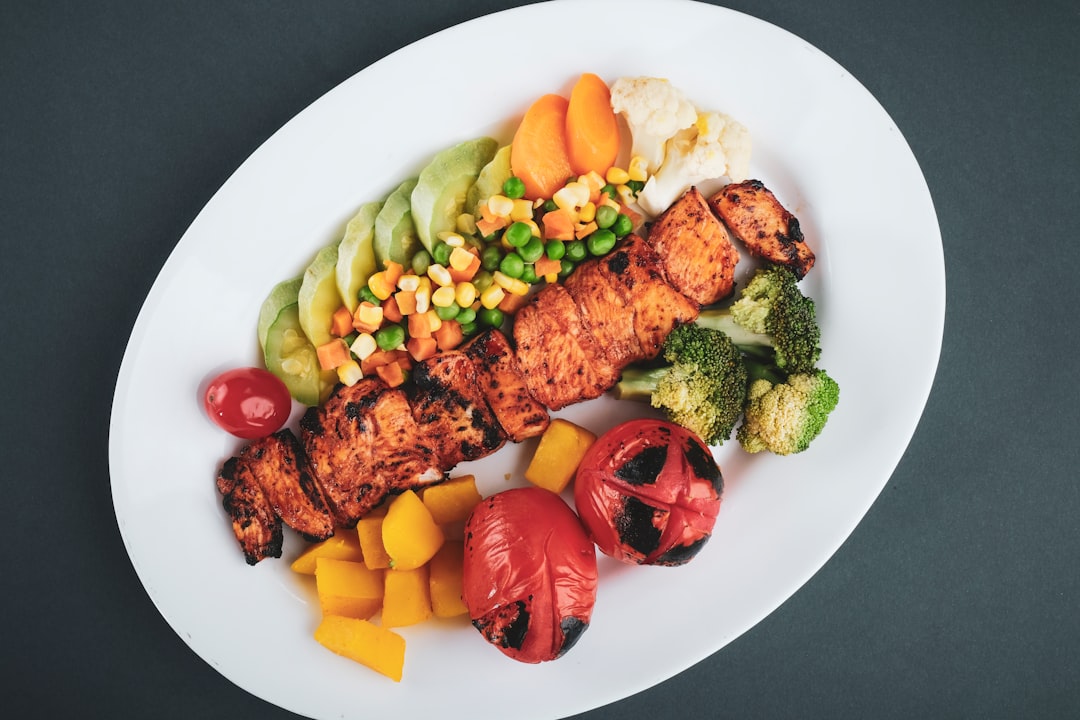
It’s a misconception that eating in a calorie deficit on a budget UK requires daily shopping. Evidence shows a single weekly shop can cover five days of nutritious meals if planned correctly. According to the Money Saving Expert food budget guide, shoppers can save up to £15 weekly by shopping at Aldi and Lidl and preparing meals in bulk. Cooked grains, roasted vegetables, and lean proteins can be mixed and matched to prevent monotony. For example, batch-cooked chicken with rice and mixed frozen vegetables can be flavoured differently with spices or sauces bought cheaply from Tesco’s value range. Using leftovers creatively reduces waste and maximises budget. Planning meals around versatile ingredients ensures you control calories while saving money and time.
Stop paying someone else to tell you what to eat or how to train. Learn to build your own plans with the Kira Mei full-stack bundle — a comprehensive educational blueprint priced at £49.99, or £79.99 with extras. This is your chance to ditch cookie-cutter programmes and take ownership of your calorie deficit strategy. Get the full-stack bundle today and start crafting plans that actually work for you.
Your Weekly Budget Meal Plan Template
Start your week by shopping on Monday at Lidl or Aldi, targeting protein, carbohydrates, and vegetables priced under £1 each. Allocate 30 minutes post-shop for batch cooking rice or pasta, roasting a chicken breast, and steaming frozen veg. Divide meals into five containers for lunch and dinner, seasoning each differently to keep variety. Snacks can include boiled eggs and fruit bought in season or frozen. Track your calorie intake with a simple food diary or calculator. Adjust portions based on progress and feelings of fullness.
Frequently Asked Questions
How can I eat in a calorie deficit on a budget in the UK?
Eating in a calorie deficit on a budget in the UK requires shopping at discount supermarkets like Aldi or Lidl, focusing on affordable staples such as oats, frozen vegetables, and canned beans. Planning meals in advance and batch cooking can save both money and calories. The Money Saving Expert guide notes shoppers can reduce weekly food costs by up to £15 using these strategies.
Which UK supermarkets offer the best prices for calorie deficit meal planning?
Aldi and Lidl consistently offer some of the lowest prices on essential foods needed for calorie deficit meal plans, including proteins, carbohydrates, and vegetables. Tesco and Asda also provide competitive deals, especially when using loyalty cards and weekly promotions, but discounters generally provide 20–30% cheaper options on staples.
What are the best budget-friendly protein sources for weight loss in the UK?
Budget-friendly protein sources in the UK include eggs (around £1.79 for 12), canned beans (approximately 55p per can), frozen fish fillets (£3 per pack), and chicken breasts (about £3.50 per kilogram at Lidl). These items offer high protein content at low cost, supporting calorie deficit diets effectively.
Can I eat healthily while on a tight food budget in the UK?
Yes, the British Nutrition Foundation confirms that healthy eating on a budget is achievable by focusing on nutrient-dense, affordable foods like seasonal vegetables, whole grains, and legumes. Shopping at discount supermarkets and planning meals reduces costs while maintaining balanced nutrition.
How do I plan meals to stay in a calorie deficit without daily shopping?
Planning meals for a week using a single supermarket shop is effective for maintaining a calorie deficit. Batch cooking staple ingredients such as rice, protein, and vegetables on one day allows you to prepare five days of meals. This method reduces impulse spending and waste, as supported by Money Saving Expert’s food budget advice.
Stop paying someone else to tell you what to eat or how to train. Get the Kira Mei full-stack bundle — learn to build your own calorie deficit meal and workout programmes for just £49.99, or £79.99 with bonus content.
Disclaimer: This article is for informational purposes only and does not constitute medical, nutritional, or professional fitness advice. Always consult a qualified healthcare professional before making changes to your diet or exercise routine.