
Kira Mei is a certified personal trainer and nutrition coach specialising in fitness and nutrition for UK adults over 40. She makes healthy eating genuinely affordable — real food, real budgets, no compromise on results.
Struggling to keep your weekly food bill down while trying to eat healthily? Many beginners find meal planning overwhelming and end up wasting both food and money. This guide breaks down common pitfalls, explains why most meal prep plans fail quickly, and offers a straightforward system designed for UK shoppers to save money without sacrificing nutrition. Learn how to shop smarter, store food properly, and prepare meals that suit your life and budget.
Why Most Meal Prep Attempts Fail by Wednesday
A typical UK beginner aiming to meal prep often finds their plan has collapsed by Wednesday, with fresh meals uneaten and ingredients wasted. Research shows the average UK household wastes £470 worth of food yearly, with fresh produce and dairy the biggest culprits. Over-ambitious recipes requiring multiple fresh items increase the chance that some will spoil before use. For example, buying a full pack of coriander for one meal means the rest often goes off.
Additionally, many try to cook all meals in one go, which can lead to meals tasting repetitive or going off midweek. Freezing can help but only certain foods freeze well, and improper freezing causes texture loss and food waste. This cycle not only inflates your food bill but also saps enthusiasm for cooking.
Reducing waste is crucial. According to Money Saving Expert’s advice, planning meals around ingredients that store well and using leftovers creatively can save £20–£30 a week. Understanding these common pitfalls explains why many meal prep plans don’t last. For more on fitness guides, see our guide.
The Real Reasons Your Prep Doesn't Survive the Week
The main reasons meal prep fails in the UK are poor portion control, ignoring food storage times, and choosing recipes that don’t suit your routine. Portion sizes that are too large often leave you feeling bored or overwhelmed, causing you to skip meals or rely on takeaways. According to NHS food safety storage guidance, cooked meals should be eaten within 3-4 days when refrigerated, yet many people prep for a whole week, risking food going off.
Another common issue is prepping complicated meals that take hours, leading to fatigue and rushed cooking on other days. This often results in incomplete meal prep and last-minute spending on convenience foods. Ingredients purchased without a clear meal plan can also go unused, especially fresh herbs and salad leaves, which wilt quickly.
A step-by-step system to avoid these traps starts with choosing 3-4 meals that use overlapping ingredients, buying only what you can realistically consume in the next 3 days, and scheduling a midweek shop for fresh items. Using simple meals like stews, roasted veg, and rice-based dishes allows batch cooking with easy portioning. Batch cooking recipes from sources like BBC Good Food show how to create variety with few ingredients.
If you’re tired of paying someone else to tell you how to eat and train, it’s time to take control. The Kira Mei full-stack bundle teaches you how to build your own meal and workout plans that fit your life, not the other way around. Stop handing over cash for cookie-cutter programmes and learn the skills to create plans that actually stick. Get the full blueprint for just £79.99 at kiramei.co.uk/bundle.
The Fix: A More Realistic System for Imperfect Weeks
Three key mistakes undermine meal prep: over-ambitious planning, ignoring food expiry, and inflexible meal choices. Each has a direct financial and practical cost. Over-ambitious plans lead to food waste and stress when meals aren’t finished, costing up to £10 per week in wasted ingredients. Ignoring food expiry results in spoiled meals that must be thrown out, driving up weekly food bills unnecessarily.
Inflexible meal choices cause boredom, increasing the temptation to order takeaways or buy convenience foods at higher cost. This can add £5-£15 extra per week. Instead, building flexibility into your plan by prepping base ingredients like grains and roasted vegetables, then mixing with fresh proteins or sauces midweek, reduces waste and keeps meals interesting.
This approach aligns with the British Nutrition Foundation's guidance on sustainable healthy eating, which emphasises consistent, manageable meal preparation over perfection. Adopting smaller, more frequent shops and batch cooking simple meals improves both your budget and your diet.
How to Build Meal Prep Into Your Life, Not Around It
The difference between average and effective meal prep is integrating it into your actual week, not forcing your life to fit the plan. This means recognising your energy levels, schedule, and preferences. For example, if you dislike cooking on Sundays, batch cook on a weekday evening when you have more time. If your workweek is unpredictable, plan meals that can be easily assembled from prepped ingredients.
Using storage wisely is vital. Cooked meals can last 3-4 days refrigerated or longer frozen with proper packaging. Fresh vegetables and salad leaves should be purchased closer to use dates to avoid spoilage. Some ingredients, like frozen peas or canned beans, provide low-cost, long-lasting options to stretch meals without extra prep.
Simplify shopping by sticking to a basic list of staples bought weekly and fresh items bought twice a week. This prevents overbuying and ensures ingredients are fresh. Incorporate occasional treats or varied recipes to maintain interest without complicating prep.
Avoid paying personal trainers or apps to tell you what to do. Instead, learn how to create your own plans with the Kira Mei full-stack bundle. For £49.99, you get the educational blueprint to design meal and workout programmes that suit your unique needs. Realise your potential without the fluff at kiramei.co.uk/bundle.
A Simpler Starting Point That Actually Sticks
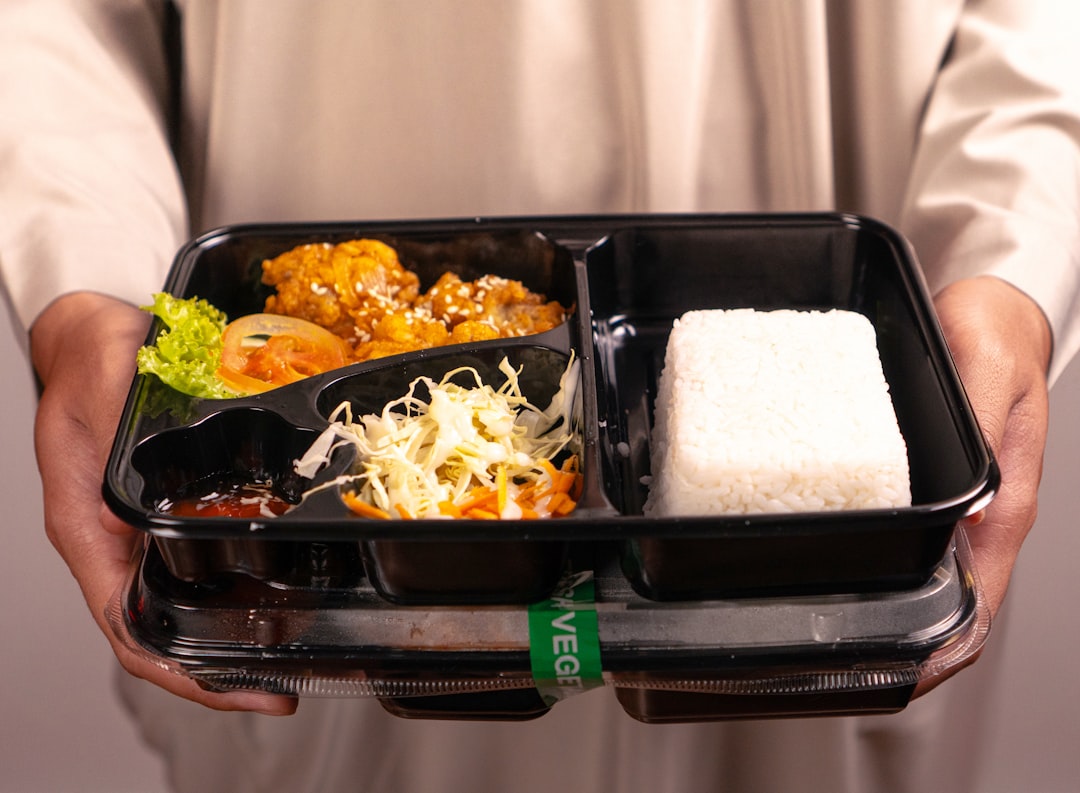
Start with a 3-day meal prep plan: choose two simple meals you enjoy and prepare enough for 3 days each. Buy ingredients for these meals plus some storecupboard staples for quick snacks or lunches. Schedule a small midweek shop to refresh fresh items like salad and fruit. Use containers that match your portions to avoid oversized servings.
Example: Roast chicken with veggies one day, lentil stew another, and a salad or sandwich for lunch. This reduces waste and keeps meals fresh. Follow the NHS Eatwell Guide to ensure balanced nutrition without overcomplication.
Track what you actually eat and adjust your shopping list weekly. Over time, this builds a sustainable, budget-friendly routine that fits your lifestyle and reduces your weekly food bill. Learn more about the Kira Mei full-stack bundle and how it can help you get started.
Frequently Asked Questions
How long does meal prep take each week for a beginner?
For beginners, meal prep usually takes between 1.5 to 3 hours per week, depending on the number of meals prepared and recipe complexity. Starting with 3-day meal preps can keep this manageable, allowing time for batch cooking and portioning without overwhelming your schedule.
What are affordable meal options to reduce food bills in the UK?
Affordable meals often include dishes using storecupboard staples like lentils, canned beans, frozen vegetables, and rice. Simple recipes like vegetable stews, pasta with tomato sauce, and batch-cooked chicken with roasted veg help reduce costs and waste, while keeping nutrition balanced.
How can I prevent food waste when meal prepping?
Prevent food waste by planning meals around ingredients that last several days, using leftovers creatively, and shopping twice a week for fresh produce to avoid spoilage. Proper food storage, such as refrigerating cooked meals within two hours and consuming within 3-4 days, also reduces waste.
What portion sizes should I prepare for weight loss?
Portion sizes depend on individual needs but generally, meals with 150-200g cooked protein, a serving of complex carbohydrates like 75g dried rice or pasta, and at least 150g of vegetables balance satiety and calorie control. Adjust portions based on hunger and activity levels.
Is batch cooking suitable for beginners trying to save money?
Yes, batch cooking is ideal for beginners aiming to save money. Preparing meals in batches reduces cooking time, allows buying ingredients in larger, cheaper quantities, and minimises food waste by using ingredients efficiently. Starting small with 2-3 meals per batch is best.
Stop paying someone else to tell you what to eat and how to train. Get the Kira Mei full-stack bundle and learn to build your own plans for just £79.99. No fluff, no nonsense. Visit kiramei.co.uk/bundle to get started.
Disclaimer: This article is for informational purposes only and does not constitute medical, nutritional, or professional fitness advice. Always consult a qualified healthcare professional before making changes to your diet or exercise routine.
Leave a Reply