
Kira Mei is a certified personal trainer and nutrition coach specialising in fitness and nutrition for UK adults over 40. She makes healthy eating genuinely affordable — real food, real budgets, no compromise on results.
Creating a budget grocery shopping list for healthy eating in the UK can be challenging, especially when previous meal prep attempts have fallen short by midweek. This guide breaks down why meal prep often fails and offers a straightforward system designed to fit into busy lifestyles. By organising your shopping, storage, and cooking strategies, you can maintain nutritious meals without overspending or wasting food. Learn how to shop smartly, store safely, and prepare meals that last throughout the week.
Why Most Meal Prep Attempts Fail by Wednesday
Meal prep is preparing several meals in advance to save time and money, but 70% of people who try it abandon the plan by midweek. One main reason is food spoilage; fresh ingredients often deteriorate before consumption. According to Money Saving Expert food waste advice, a significant portion of household food waste arises from buying too much or misjudging quantities.
Overestimating appetite or cooking complex meals that don’t store well also contribute. Many meals lose texture or flavour when reheated multiple times, reducing enjoyment and motivation. Additionally, failing to plan for variety leads to boredom, which can prompt abandoning the plan.
Another factor is poor storage knowledge. Without understanding safe storage durations, food can become unsafe or unappetising. These issues often cause meal prep plans to collapse early, leading to last-minute unhealthy choices or food waste. For more on meal prep UK, see our guide.
The Real Reasons Your Prep Doesn't Survive the Week
The common claim is meal prep fails due to lack of time, but the precise causes are poor timing, unsuitable recipes, and inadequate storage. Creating a system that addresses these can improve success.
Start by shopping at supermarkets known for affordable healthy options such as Aldi, Lidl, or Tesco. Choose recipes with ingredients that can last 3–5 days refrigerated or longer if frozen. Limit fresh herbs and delicate vegetables that perish quickly.
Cook in batches but split meals into portions immediately using airtight containers designed for freezing. Label containers with cooking dates to track freshness. According to NHS food safety storage times, cooked meat and fish can be stored in the fridge for up to two days and frozen safely for up to three months.
Schedule cooking days midweek and weekends to replenish supplies. This avoids running out of fresh meals before the week ends. Include quick-cook staples like frozen vegetables and canned legumes to add variety without prep time.
Planning leftovers into new meals reduces monotony and food waste. For example, roasted vegetables can be added to soups or wraps. This system requires realistic portioning and regular shopping trips to maintain freshness and budget.
The three mistakes that cause meal prep failures are overplanning, ignoring storage limits, and underestimating daily life variability. Overplanning leads to cooking excess meals that spoil before consumption. Ignoring storage guidelines risks food safety and quality, causing waste. Underestimating life variability means not accounting for days when plans change, hunger fluctuates, or social events occur.
By planning for 3–4 days instead of a full week, you reduce spoilage risk. Use freezing strategically and understand that some meals are better fresh. According to NHS food safety storage times, freezing extends life but reheating cycles should be limited.
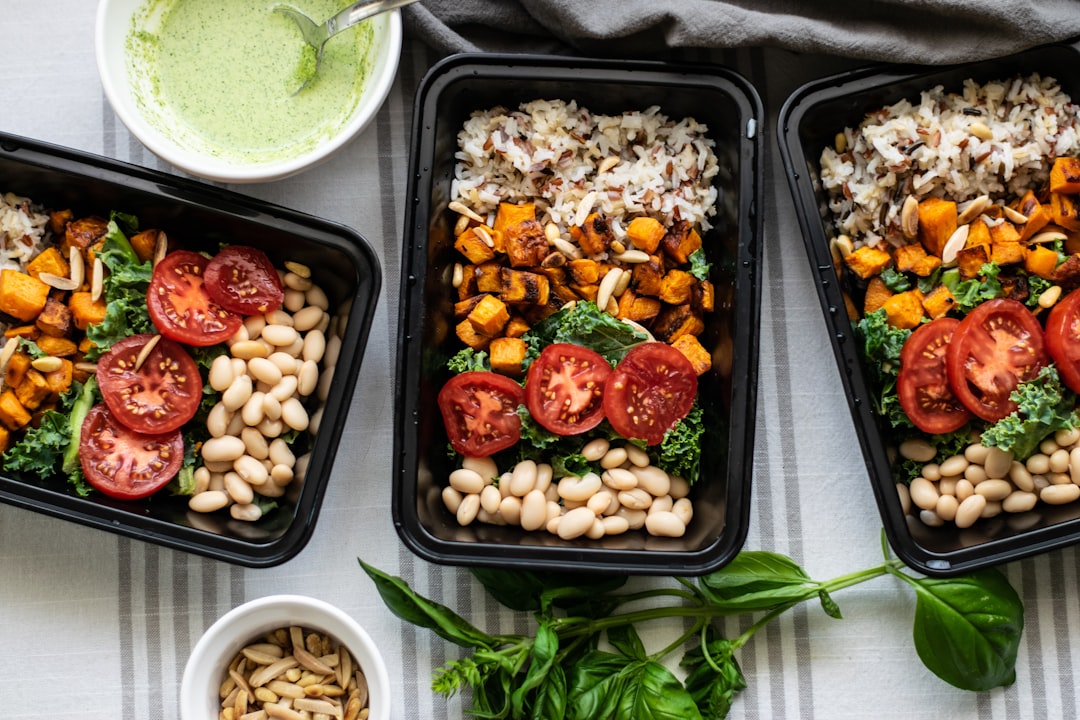
Flexibility is key. Prepare adaptable meals that can serve as lunch or dinner, and have quick alternatives on hand for unpredictable days. Bulk cooking base components like grains or beans allows assembling different meals quickly.
Avoid rigid schedules; build in midweek shopping or cooking sessions. This realistic approach matches typical UK lifestyles and reduces frustration, helping meal prep become sustainable rather than a burden.
How to Build Meal Prep Into Your Life, Not Around It
A less obvious insight is that meal prep succeeds best when integrated into daily habits rather than imposed as a separate task. The British Nutrition Foundation sustainable healthy eating notes that sustainable diets focus on balance and flexibility, not strict rules.
Incorporate shopping and cooking into your regular weekly routine. Use online grocery services or local markets to source affordable fresh produce. Schedule meal prep during low-stress periods, such as weekends or evenings when energy allows.
Combine meal prep with other chores to save time, e.g. cooking while doing laundry. Make meals simple and enjoyable rather than complex projects. Aim for variety within a limited ingredient list to prevent boredom.
Portion control and correct storage according to NHS guidelines enable meals to stay safe and tasty. Pick recipes that use overlapping ingredients to minimise waste and maximise value.
By aligning meal prep with your lifestyle and food preferences, it becomes a manageable system rather than a disruptive task.
A Simpler Starting Point That Actually Sticks
Start by selecting 5–7 core ingredients that are affordable, nutritious, and easy to prepare. Examples are oats, eggs, canned tomatoes, frozen mixed vegetables, brown rice, lentils, and apples.
Plan three meals a day using these ingredients in different combinations. Shop twice a week to keep fresh items replenished and frozen items stocked. Use airtight containers labelled with dates for leftovers.
Cook grains and proteins in bulk, then portion. Prepare simple salads or steamed vegetables fresh. Limit recipes to those that can be stored safely for at least 3 days.
Set reminders for midweek shopping and cooking sessions to adjust based on appetite and plans. This incremental approach builds consistency. Learn more about the Kira Mei full-stack educational blueprint — stop paying someone to tell you what to do and learn to build your own plans for just £49.99 or £79.99 for the full bundle.
Frequently Asked Questions
What is a budget grocery shopping list UK for healthy eating?
A budget grocery shopping list UK for healthy eating includes affordable, nutritious staples such as oats, eggs, frozen vegetables, canned beans, and whole grains. It focuses on versatile ingredients that can be used across multiple meals while minimising waste and cost, suitable for UK supermarkets and incorporating seasonal produce.
How can I reduce food waste when shopping on a budget in the UK?
To reduce food waste on a budget in the UK, plan meals realistically, buy only what you need, use leftovers creatively, and store food correctly according to NHS food safety storage times. Following advice from Money Saving Expert food waste advice can also help minimise waste and save money.
Which UK supermarkets offer the best value for healthy meal prep?
Supermarkets like Aldi, Lidl, and Tesco are known for offering affordable, healthy ingredients suitable for meal prep. They provide competitive prices on fresh, frozen, and canned goods, making it easier to stick to a budget grocery shopping list UK for healthy eating.
How long can I safely store meal prepped food in the fridge or freezer?
According to NHS food safety storage times, cooked meat and fish can be stored in the fridge for up to two days and frozen safely for up to three months. Proper labelling and airtight containers help maintain freshness and safety.
What are quick and healthy staple foods to include in a UK budget shopping list?
Quick, healthy staples for a UK budget shopping list include oats, eggs, canned tomatoes, frozen mixed vegetables, brown rice, lentils, and seasonal fruits. These items are affordable, nutritious, and versatile for meal prep, covering essential food groups as recommended by the NHS Eatwell Guide.
Disclaimer: This article is for informational purposes only and does not constitute medical, nutritional, or professional fitness advice. Always consult a qualified healthcare professional before making changes to your diet or exercise routine.
Leave a Reply