
Kira Mei is a certified personal trainer and nutrition coach specialising in fitness and nutrition for UK adults over 40. She makes healthy eating genuinely affordable — real food, real budgets, no compromise on results.
Finding cheap low calorie meals under 400 calories in the UK can be challenging, especially when prioritising protein intake for fitness or weight goals. Budget meal prep requires knowing which affordable foods deliver both low calories and high protein, alongside smart portion sizes. This guide breaks down cost-effective options from UK supermarkets and provides actionable tips to build nutrient-dense meals without overspending. For more on fitness guides, see our guide.
Why Protein Is the Hardest Macro to Hit on a Budget
Protein is a macronutrient essential for muscle repair, immune function, and satiety, with NHS guidelines recommending 0.75g per kg bodyweight per day for adults (NHS protein intake recommendations). Achieving adequate protein intake on a budget is difficult because protein-rich foods often cost more per calorie than fats or carbohydrates. For example, lean meats and fish typically have higher price points compared to starchy vegetables or cereals. This cost disparity leads many budget-conscious shoppers to prioritise cheaper carbs, which can cause insufficient protein intake, impacting muscle mass and recovery. Additionally, protein foods usually have a higher calorie density, so portion control is necessary to stay under 400 calories per meal while hitting protein targets. Balancing these factors requires knowledge of affordable protein sources and smart meal structuring.
The Cheapest High-Protein Foods in UK Supermarkets Right Now
The cheapest high-protein foods in UK supermarkets right now include eggs, canned tuna, dried lentils, and frozen chicken breasts, which provide the best cost-per-gram of protein. Eggs cost approximately 12p per egg, offering 6g of protein each, making them one of the most affordable complete proteins. Canned tuna, around £1 per 120g tin, delivers about 28g protein per tin. Dried lentils, priced near £1.20 per 500g bag, yield roughly 25g protein per 100g cooked and store well for batch cooking. Frozen chicken breasts at about £4 per kilo provide 31g protein per 100g portion and can be portioned for multiple meals. Supermarkets like Tesco, Asda, and Lidl frequently run promotions on these staples (Money Saving Expert cheap food guide). Choosing these items helps build cheap low calorie meals under 400 calories that meet protein needs without overspending.
Stop paying personal trainers or apps to tell you what to eat. Take control with the Kira Mei Full Stack Bundle — a complete educational blueprint that teaches you how to build your own effective meal and workout plans. For just £79.99, you’ll learn the real skills to design programmes that suit your goals and lifestyle, no fluff, no gimmicks. Get the Full Stack Bundle now and realise how simple it is to stop outsourcing your fitness decisions.
How to Structure Your Meals Around Budget Protein Sources
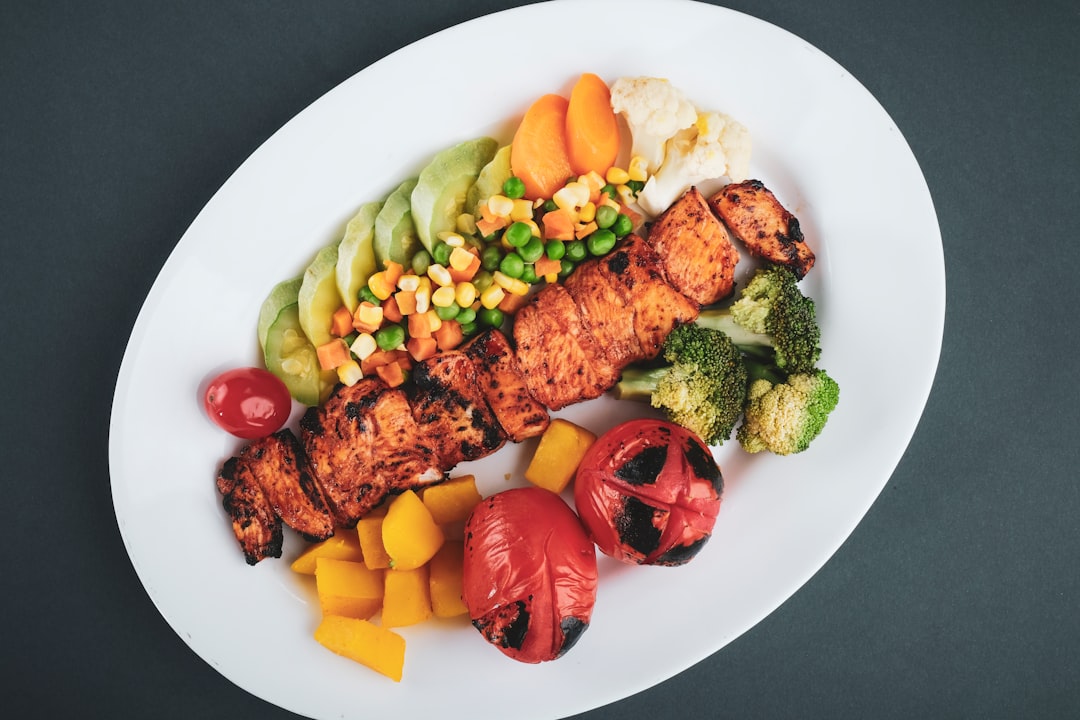
The three mistakes that reduce protein intake on a budget are: relying heavily on carbs without balancing protein, neglecting portion control of calorie-dense proteins, and ignoring plant-based alternatives. First, prioritising bread, pasta, or potatoes without sufficient protein limits muscle repair and satiety. Second, consuming high-fat protein cuts or large portions can push calories over 400, derailing calorie goals. Third, avoiding lentils, beans, and peas misses out on cost-effective, low-calorie protein sources. Structuring meals with a palm-sized portion of lean protein (20-30g per meal), a fist-sized serving of vegetables, and a cupped hand of wholegrains ensures balanced nutrition and calorie control. For example, a meal with 100g chicken breast (31g protein, 165 calories), 100g steamed broccoli (3g protein, 34 calories), and 50g cooked brown rice (3g protein, 65 calories) totals under 400 calories with over 35g protein.
Common Mistakes When Eating High-Protein on a Budget
A less obvious insight is that buying the cheapest protein sources without variety can lead to nutrient gaps and reduced meal satisfaction. Over 50% of UK adults do not meet protein intake recommendations consistently (British Nutrition Foundation protein and health). Repeatedly consuming only eggs or canned tuna may limit intake of micronutrients like iron, vitamin B12, and zinc. Additionally, ignoring fibre-rich vegetables reduces digestive health, which supports nutrient absorption. Another common error is failing to adjust protein intake to activity levels; sedentary individuals require less protein than active ones. Finally, skipping batch cooking increases food waste and costs, undermining budget goals. Balancing variety, micronutrients, and meal prep efficiency is key to successful high-protein budgeting.
Your High-Protein Budget Meal Plan for the Week
Plan your weekly meals by scheduling three to four protein-focused meals daily, each under 400 calories. Start with boiled eggs and porridge for breakfast. Prepare large batches of lentil curry and frozen chicken stir-fry for lunches and dinners, portioned to 350-400 calories per serving. Include vegetables like spinach, broccoli, and carrots for fibre and micronutrients. Use canned tuna mixed with salad leaves and low-calorie dressings for quick meals. Shopping lists should focus on eggs, lentils, frozen chicken breasts, canned tuna, and seasonal vegetables often discounted in UK supermarkets. This approach ensures consistent protein intake aligned with calorie targets.
Frequently Asked Questions
What are cheap low calorie meals under 400 calories in the UK?
Cheap low calorie meals under 400 calories in the UK typically combine affordable protein like eggs or canned tuna with vegetables and small portions of wholegrains. For example, a 100g chicken breast with steamed broccoli and 50g cooked rice totals under 400 calories and provides over 30g protein, meeting NHS protein intake recommendations.
How can I get enough protein on a budget in the UK?
To get enough protein on a budget in the UK, focus on low-cost sources such as eggs (12p each), canned tuna (£1 per tin), dried lentils (£1.20 per 500g), and frozen chicken breasts (£4 per kilo). These foods offer high protein per cost and support NHS daily intake guidelines of 0.75g per kg bodyweight.
Which UK supermarkets offer the cheapest high-protein foods?
Supermarkets like Tesco, Asda, and Lidl consistently offer the cheapest high-protein foods including eggs, frozen chicken breasts, canned tuna, and dried pulses. According to Money Saving Expert’s cheap food guide, shopping during sales and using own-brand products can reduce costs further.
What are common mistakes eating high-protein meals on a budget?
Common mistakes include relying too much on carbs without sufficient protein, ignoring portion control which can increase calories, and lacking variety that leads to micronutrient deficiencies. Over 50% of UK adults fail to meet protein recommendations consistently, highlighting the need for balanced meal planning.
How to plan a week’s worth of budget high-protein meals under 400 calories?
Plan three to four meals daily combining lean proteins like chicken breast, lentils, or tuna with vegetables and small wholegrain portions. Batch cook meals like lentil curry or chicken stir-fry, portioned at under 400 calories each. This ensures adequate protein intake while controlling costs and calories.
Stop paying someone else to tell you what to do. Get the Kira Mei Full Stack Bundle for £79.99 and learn how to build your own effective meal and workout programmes that actually work for you.
Disclaimer: This article is for informational purposes only and does not constitute medical, nutritional, or professional fitness advice. Always consult a qualified healthcare professional before making changes to your diet or exercise routine.
Leave a Reply