
Kira Mei is a certified personal trainer and nutrition coach specialising in fitness and nutrition for UK adults over 40. She makes healthy eating genuinely affordable — real food, real budgets, no compromise on results.
Balancing a nutritious, high-protein breakfast with a limited budget is a common challenge across the UK. With many households spending over £25 weekly on breakfast foods, finding affordable options rich in protein can optimise energy and satiety throughout the day. This guide outlines practical, money-wise breakfast ideas that include supermarket-specific shopping tips and meal prep strategies tailored for those seeking healthy, protein-packed starts without breaking the bank.
Why Shopping at the Right Supermarket Changes Everything
Supermarkets in the UK differ widely in pricing and product range, with discounters like Aldi and Lidl typically offering lower prices on protein-rich staples. Aldi, for instance, sells a dozen eggs for around £1.29 and 500g of frozen chicken breasts at about £3.00, making it a key destination for budget-conscious shoppers. The NHS Eatwell Guide highlights eggs and lean meats as affordable protein sources, and choosing supermarkets with consistent low prices on these items directly impacts your grocery spend. Tesco and Asda also provide competitive deals, particularly on own-brand products, with Tesco offering oats and dairy products at prices often 10-20% lower than higher-end stores. Knowing where to buy essential ingredients is the first step in building cheap, protein-rich breakfasts. For more on fitness guides, see our guide.
The Budget Meal Prep Shopping System (Built Around UK Discounters)
A practical shopping system starts with planning your weekly breakfasts to avoid impulse buys and waste. Focus on core protein ingredients: eggs, oats, dairy (like low-fat Greek yoghurt), and canned beans or lentils for plant-based options. Aldi and Lidl offer these at consistently low prices; for example, 1kg of porridge oats can cost as little as £0.85. Begin by listing your meals and quantities, then shop once a week on a day when fresh produce is restocked for the best value. Shop early to grab reduced items, often labelled with yellow stickers, which can include high-protein foods like sausages or smoked mackerel.
Freezing portions of cooked protein such as chicken or legumes allows batch cooking and saves time. Tesco Real Food recipes suggest preparing overnight oats with protein powder or peanut butter for quick meals. This system limits unnecessary spending and ensures you have protein-rich ingredients ready to assemble each morning.
Stop paying someone else to tell you what to eat. For just £49.99, the Kira Mei Nutrition Blueprint teaches you how to build your own personalised nutrition plans that actually work. No gimmicks, no PT nonsense—just straightforward, expert guidance to help you realise what your body really needs. Take control and save money by learning to plan your own meals the right way.
What to Buy, What to Skip and What to Swap
The three common mistakes that increase breakfast costs are buying branded products, choosing pre-packaged convenience items, and overlooking seasonal or own-brand alternatives. Branded protein bars or shakes often cost double the price of homemade options yet provide similar nutritional benefits. Convenience products like pre-cooked bacon or sausage rolls are more expensive and usually contain less protein per serving.
Swap these for eggs, canned beans, or frozen fish fillets. For example, Lidl’s own-brand tinned baked beans cost under 30p per can and contain around 5 grams of protein per 100g. Skipping sugary cereals in favour of porridge oats topped with seeds or nuts adds protein and fibre at a fraction of the cost. This approach aligns with British Nutrition Foundation healthy eating on a budget advice, which recommends prioritising nutrient-dense whole foods over processed options.
Turning One Shop Into Five Days of Meals
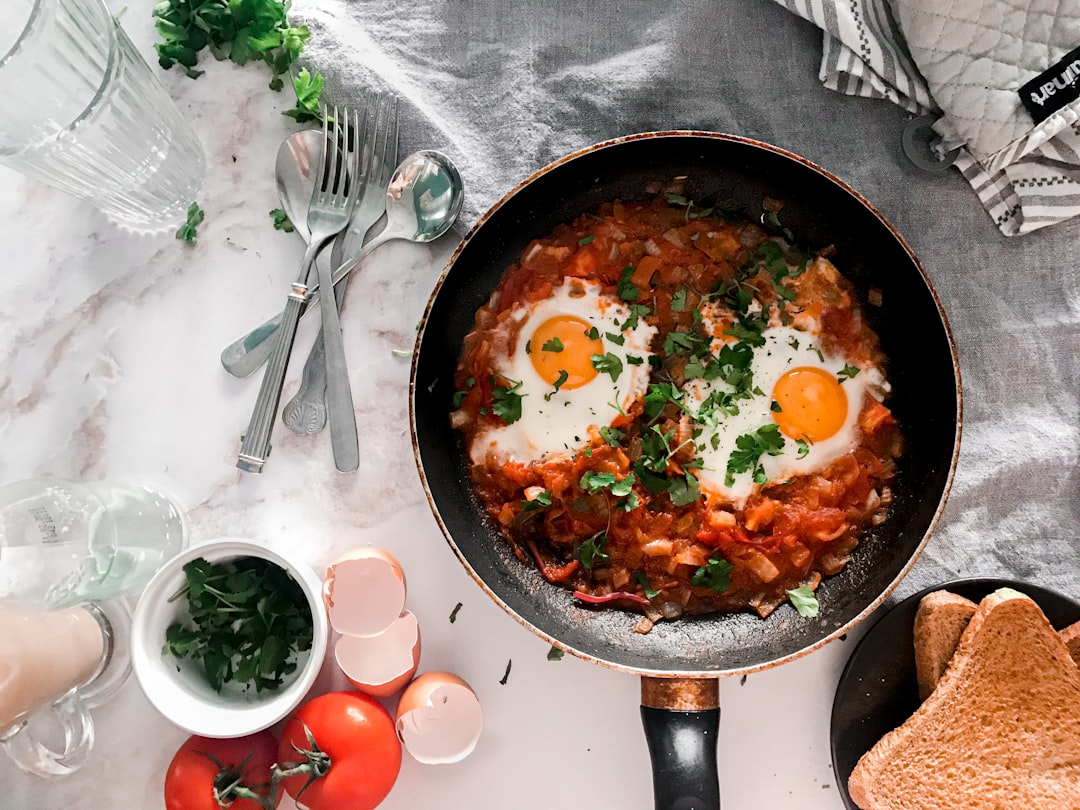
It is possible to stretch a single supermarket visit into five days of varied, high-protein breakfasts by utilising versatile ingredients and simple recipes. For instance, a pack of 12 eggs can form the base of multiple breakfasts: boiled eggs, omelettes with frozen spinach, or egg and baked beans on toast. Using oats to make overnight oats, porridge, or protein pancakes adds variety.
According to Money Saving Expert food budget guide, buying frozen vegetables and pulses extends shelf life and reduces waste, enabling diverse meals without frequent shopping trips. Combining plant-based proteins such as chickpeas with dairy or eggs balances cost and nutrition. Planning your meals this way ensures consistent protein intake and cost-efficiency, with typical spend of under £8 per week for breakfasts.
Stop paying for a personal trainer to tell you what to eat. Instead, get the Kira Mei Nutrition Blueprint for just £49.99. It’s a no-nonsense programme that teaches you how to create your own nutrition plans tailored to your needs. Save money, ditch the guesswork, and finally understand how to fuel yourself properly without relying on overpriced apps or trainers.
Your Weekly Budget Meal Plan Template
Start each week by writing a simple breakfast plan. Day 1: Porridge with peanut butter and banana. Day 2: Scrambled eggs on wholemeal toast. Day 3: Greek yoghurt with mixed seeds and frozen berries. Day 4: Chickpea and spinach omelette. Day 5: Baked beans on rye bread with boiled eggs. Shop on Monday morning at Lidl or Aldi, focusing on eggs, oats, dairy, frozen veg, and canned pulses.
Prepare oats and oats mixtures the night before to save time. Cook extra eggs or chickpeas to refrigerate for subsequent days. Using this template minimises daily decision fatigue and overspending. Want to learn how to build your own plans instead of paying for someone else’s? The Kira Mei Nutrition Blueprint is £49.99 and shows you exactly how to do it.
Frequently Asked Questions
What are cheap high protein breakfast ideas in the UK?
Cheap high protein breakfast ideas in the UK include eggs on wholemeal toast, porridge oats with peanut butter, and baked beans on rye bread. These meals typically provide 15-25 grams of protein per serving and can be made with ingredients from Aldi or Lidl costing under £1.50 per portion.
Which UK supermarkets offer the best prices for high protein breakfast foods?
Aldi and Lidl offer some of the best prices for high protein breakfast foods in the UK, such as eggs for around £1.29 per dozen and oats for under £1 per kilogram. Tesco and Asda also provide competitive prices on own-brand protein staples.
How can I plan a high protein breakfast on a tight budget in the UK?
Plan your breakfast by focusing on versatile, affordable staples like eggs, oats, and canned beans. Shopping once weekly at discount supermarkets and batch cooking items like boiled eggs or chickpeas can reduce costs. The British Nutrition Foundation recommends prioritising nutrient-dense foods for budget-friendly meals.
Are plant-based high protein breakfasts affordable in the UK?
Yes, plant-based high protein breakfasts are affordable in the UK. Canned chickpeas and baked beans cost under 30p per can and contain about 5 grams of protein per 100g. Combining these with oats or seeds provides an economical protein boost.
How much protein should a UK adult aim for at breakfast?
The NHS Eatwell Guide suggests including a source of protein at every meal, aiming for about 20-30 grams at breakfast to support muscle health and satiety. This can be achieved with two eggs plus wholemeal toast or a bowl of porridge with added seeds or peanut butter.
Stop paying someone else to tell you what to eat. Get the Kira Mei Nutrition Blueprint for just £49.99 and learn how to build your own plans that actually work.
Disclaimer: This article is for informational purposes only and does not constitute medical, nutritional, or professional fitness advice. Always consult a qualified healthcare professional before making changes to your diet or exercise routine.
Leave a Reply